
Picking
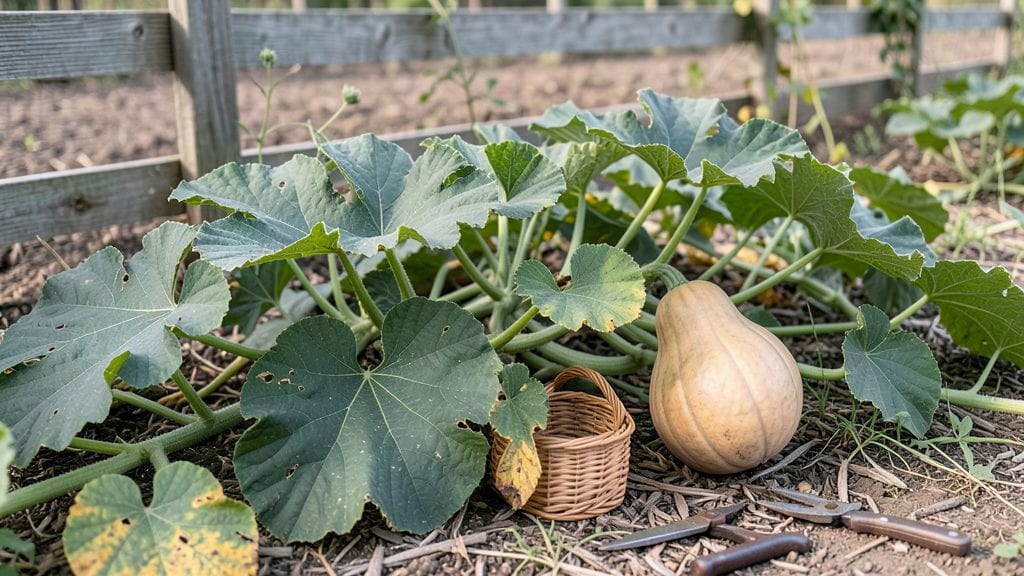
Picking butternut squash 🎃 at the right time turns a bland garden vegetable into a sweet, nutty treasure that lasts through winter.
Butternut squash can transform from a hard, bitter gourd into a sweet, nutty delicacy—if you harvest it at the perfect moment. Miss the window, and you’ll end up with tough skin or bland flesh. Here’s how to master the art of picking butternut squash for maximum flavor and storage potential.
Most gardeners wait until the skin turns tan or beige, but that’s just the beginning. The real clues lie in the squash’s weight, stem condition, and even the health of its vines.
In USDA Zone 6a, where I grow mine, the ideal harvest window stretches from late September to mid-November, but timing varies with frost risk.
In this guide, I’ll walk you through the exact visual and tactile cues to pick the sweetest squash, how to adjust for your local climate, and what happens if you harvest too early or too late. No more guesswork—just peak-season perfection.
Signs your butternut squash is ripe for harvesting (beyond the color)
Harvesting butternut squash at the right time ensures peak sweetness and longer storage life. While many gardeners focus solely on skin color, ripe butternut squash reveals itself through a combination of visual, tactile, and environmental cues.
Ignoring these signs often leads to tough skin or bland flavor—so let’s dive into what truly matters.
Color alone isn’t enough to determine ripeness. A tan or beige skin is a good start, but you’ll also need to check the stem end and vine health. For example, a squash might look golden but still be underripe if the stem hasn’t dried out.
Here’s how to avoid common mistakes and nail the harvest window every time.
The rind hardness test is my top trick for confirming ripeness. Press your fingernail into the squash near the stem—if it doesn’t puncture easily, it’s ready. This method works better than color alone because butternut squash can stay green even when fully ripe, especially in cooler climates.
Pair this test with the stem condition to avoid mistakes.
Don’t overlook the vine’s health as a ripeness indicator. When the vines start yellowing or dying back, it’s a clear signal that the squash is nearing maturity. This natural decline happens as the plant redirects energy to the fruit.
If you wait too long, the vines may die completely, but the squash can still be harvested—just prioritize those with the hardest rinds first.
Weight is another underrated clue. A ripe butternut squash typically weighs between 1 and 3 pounds. Smaller squash may still be sweet but lack the full, nutty flavor of a mature one.
Use a kitchen scale or compare it to a known ripe squash for accuracy. This step is especially useful if you’re growing multiple varieties with different sizes.
One common myth is that butternut squash must be orange to be ripe. While many varieties develop a golden hue, others stay tan or beige. Focus instead on the skin texture and stem dryness.
For example, ‘Waltham Butternut’ stays greenish-tan but becomes perfectly edible when the rind hardens. Always trust your fingers over your eyes for this test.
Environmental factors like temperature and daylight also influence ripeness. In cooler climates, squash may take longer to mature, so monitor the first frost date in your area.
If frost is imminent, harvest even if the squash isn’t fully hard. Conversely, in warm climates, squash may ripen faster—check them weekly to avoid overripening.
Pro tip: Harvest on a dry morning to prevent rot. Use a sharp knife or pruners to cut the stem, leaving a 1-inch stem attachment on the squash.
This helps it cure properly and last longer in storage. Avoid dragging squash across the soil, as this can cause bruising and shorten shelf life.
Once harvested, cure your butternut squash for 7–10 days in a warm, dry place (around 80–85°F) to enhance flavor and storage potential. This step is crucial for developing the sweet, nutty taste you love.
Skip curing, and you’ll miss out on peak flavor and extended storage—up to 3 months in a cool, dark space.
Mastering these cues ensures you’ll never miss the perfect harvest window again. Next time you’re in your garden, grab a squash, press your fingernail, and let the rind tell you when it’s time to pick. Your taste buds—and your storage bin—will thank you.
Best time of year to harvest butternut squash by climate zone (with frost risk guidelines)
Butternut squash thrives in cool autumn weather, but the exact harvest window depends on your USDA climate zone. In Northern zones (1–5), first frosts arrive early—sometimes as soon as September—while Southern zones (8–11) can extend harvests into December.
Day-length sensitivity also plays a role, with shorter days triggering maturity. Here’s how to time your harvest for peak sweetness while avoiding frost damage.
Frost is the biggest enemy of butternut squash. A light 28°F (-2°C) frost can ruin unharvested squash, but mature squash with hard rinds can tolerate brief chills. In zones 6–7, aim to harvest before mid-October, while zone 10+ gardeners may still find ripe squash in November.
Always monitor your local frost forecast and adjust your timeline accordingly.
Regional variations matter too. In the Pacific Northwest, cool summers delay ripening, while Southeastern climates often see earlier harvests. Even within a zone, microclimates—like urban heat islands or mountain slopes—can shift your harvest window by 2–3 weeks. Pay attention to your garden’s unique conditions to fine-tune timing.
If you’re in a transitional zone (e.g., 6b–7a), consider using black plastic mulch to warm the soil and extend the season. This can push your harvest window back by 1–2 weeks by delaying frost sensitivity.
For container gardeners, move pots to a sheltered spot before the first frost to protect your squash.
Pro tip: In Southern climates, butternut squash may continue maturing even after the first frost. However, prolonged cold (below 40°F/4°C) will halt ripening. Always prioritize hard rinds over calendar dates—your squash’s readiness matters more than the season.
Once harvested, cure your butternut squash in a warm, dry place (80–85°F/27–29°C) for 10 days to develop sweetness. This step is crucial for storage life, especially in cooler zones where squash may not fully mature before frost.