Planting
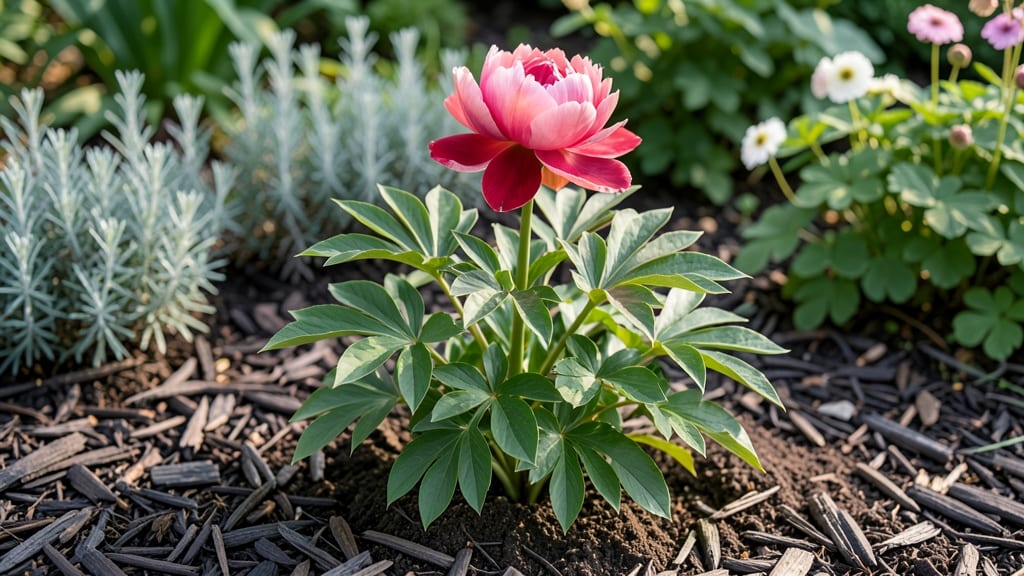
Philadelphia's gardening zone includes USDA Hardiness Zones 6b to 7a, offering hot summers, cold winters, and variable sun exposure—perfect for hardy perennials like coneflowers, daylilies, and shrubs such as lilacs and hydrangeas, while vegetables like tomatoes and peppers thrive in containers with full sun.
Understanding Philadelphia's gardening zone means recognizing how its urban landscape creates unique growing conditions. The city's mix of brick buildings, river breezes, and paved surfaces creates microclimates where some areas may experience earlier springs or later falls than others.
For example, spots near the Schuylkill River often stay cooler in summer, while downtown areas can feel several degrees warmer due to the heat island effect.
This variability means gardeners should monitor frost dates—typically April 15 for last frost and October 15 for first frost—but adjust planting times based on their specific neighborhood. 🌿
My top recommendation? Start with coneflowers and black-eyed Susans for full-sun areas—they handle Philly's heat and humidity beautifully while attracting pollinators. For shadier spots, hostas and ferns thrive with minimal fuss.
And don't overlook containers: tomatoes and peppers grow exceptionally well in pots, giving you control over soil quality and sunlight exposure.
💡 In This Article
- Philadelphia’s USDA Zones and Microclimates
- Top Sun-Loving and Shade-Tolerant Plants for Philly Gardens
Philadelphia’s USDA zones and microclimates
Philadelphia’s classification as USDA Zones 6b to 7a means average minimum winter temperatures range from -5°F to 5°F, creating a climate where both cold-hardy perennials and heat-loving annuals can thrive.
The city’s urban environment amplifies these extremes—concrete and asphalt absorb and radiate heat, making downtown areas up to 10°F warmer than suburban neighborhoods during summer nights. Meanwhile, the Schuylkill River acts as a natural cooler, with areas near its banks experiencing 5-7°F lower temperatures than inland spots.
The heat island effect isn’t just about temperature—it also delays frost formation. While the city’s average last frost date is around April 15, urban pockets near parks or water may see frost-free conditions 7-10 days earlier. Conversely, industrial zones can hold frost longer.
This variability means gardeners should plant cold-sensitive crops like tomatoes 2 weeks later in downtown areas than in river-adjacent neighborhoods. The first frost typically arrives around October 15, but heat-loving plants in microclimates may need protection until November 1.
Here’s what this means for your garden: Heat-tolerant plants like Russian sage and black-eyed Susans flourish in sun-drenched urban areas, while cold-hardy shrubs such as hydrangeas and lilacs handle Philly’s winters with ease.
The key is matching plants to microclimates—container gardens give you flexibility to move heat-sensitive veggies like peppers to shadier spots when temperatures exceed 90°F. Mulching with 3-4 inches of organic material also helps regulate soil temps by 5-10°F.
For frost-sensitive plants, timing is everything. Start seeds indoors 6-8 weeks before your area’s last frost date, then harden them off gradually. In Zone 6b areas (like Northeast Philly), extend the season with row covers or cold frames—these can add 4-6°F of protection during late spring frosts.
Meanwhile, Zone 7a spots (like Southwest Philly) may support year-round growth for oleander or bougainvillea in containers, though these require winter protection when temps dip below 25°F.
Don’t overlook wind patterns either. The Schuylkill’s breezes can dry out soil quickly, so amend with 25% compost to retain moisture. In wind-protected courtyards, vines like clematis thrive, while exposed areas benefit from windbreaks like arborvitae hedges.
The city’s diverse microclimates mean what works in one backyard may fail in another—observe your space for 2-3 years to identify patterns before committing to long-term plantings.
Pro tip: Use the National Oceanic and Atmospheric Administration’s (NOAA) frost maps for your specific block—these show localized variations that standard zone guides miss. Pair this with a soil thermometer to track ground temps, which can lag 2-3°F behind air temps.
This precision helps you fine-tune planting schedules for maximum success in Philly’s ever-changing climate.