
Picking
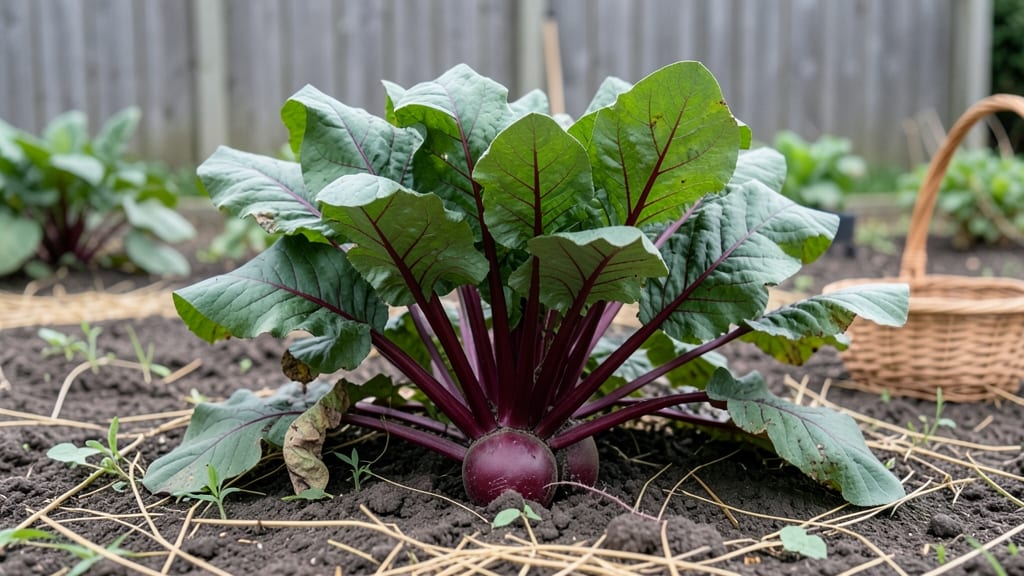
3 Key signs your beets are ready for harvest (and when to wait)
Knowing when to pick beets from your garden is an art that balances patience with timing. Beets left too long in the soil become tough and woody, while harvesting too early means missing out on their sweetest, most tender flavor.
The secret lies in watching for three key visual and tactile cues that signal peak ripeness.
First, focus on the root size—this is your primary indicator. Beets mature at different rates depending on the variety, but most gardeners aim for roots between 1 to 3 inches in diameter.
Smaller than an inch, and they’re still too young; larger than 3 inches, and they risk becoming fibrous and less flavorful.
- Root Size: 1-3 inches in diameter—gently brush away soil to check without digging up the entire plant. Use your fingers to estimate thickness; a golf ball-sized root is ideal.
- Leaf Maturity: Dark green, fully grown leaves (6-12 inches tall) with a healthy, vibrant appearance. Yellowing or wilted leaves mean it’s past its prime.
- Skin Firmness: Press the root gently—it should feel firm but not rock-hard. If it yields slightly under pressure, it’s ready; if it’s soft, wait a few more days.
Don’t ignore the top greens—they’re a window into the root’s health. Healthy beet greens should be dark green and lush, reaching 6 to 12 inches tall. If the leaves are pale or stunted, your beets may need more sunlight or nutrients.
Conversely, if the greens are yellowing or bolting (sending up flower stalks), your beets are overripe and past their sweetest stage.
Soil conditions also play a crucial role. The ground should be dry but not bone-dry when you harvest. Wet soil can cause roots to rot or splinter when pulled, while overly dry soil makes them tough.
A light rain the day before harvesting is perfect—it softens the soil just enough for easy extraction without compromising the beet’s texture.
Timing matters beyond just size and color. In spring-planted beets, aim to harvest between 50 to 70 days after sowing, typically in late spring to early summer. For fall-planted varieties, harvest in late summer to early fall before the first frost.
If you’re growing baby beets (like Detroit Dark Red), you can harvest as small as 1 inch in diameter for a sweeter, more delicate flavor.
One common mistake is waiting until the leaves die back completely. By then, the roots may have turned woody or developed a hollow center. Instead, harvest when the leaves are still vibrant but the roots are plump.
Another pitfall is harvesting after a heavy rain—soil can become too loose, making it hard to pull beets cleanly without breaking them.
Pro tip: If you’re unsure, dig up one beet at a time to test for readiness. This minimizes risk to your entire crop while giving you confidence in your timing.
Once you’ve mastered these signs, you’ll never again guess whether your beets are ready—just pull, rinse, and enjoy that perfect harvest!
🌱
How to test beet sweetness before harvesting (simple soil check)
Testing beet sweetness before harvesting is easier than you think—no fancy tools required! The key lies in a simple soil check that reveals root size, color, and texture without digging up your entire crop.
By sampling just one or two beets, you’ll know exactly when your garden is ready to harvest the sweetest roots possible. This method also helps you adjust growing conditions if beets are maturing too quickly or slowly.
Start by selecting a healthy-looking beet plant with vibrant green leaves. Gently loosen the soil around the base using your fingers or a small hand trowel—this minimizes damage to neighboring plants. The goal is to expose just enough of the root to assess its readiness.
Look for a smooth, firm texture and a deep, rich color (deep red, golden yellow, or purple, depending on your variety).
Once you’ve exposed the root, check its diameter and firmness. Ideal harvest size ranges from 1 to 3 inches in diameter. If the beet feels soft or spongy, it’s not ready—wait another 5-7 days for better flavor.
Conversely, if the root is hard or woody, you’ve missed the window. The skin should resist gentle pressure but not be rock-hard.
Pay attention to the color intensity of the root. Vibrant hues indicate peak sweetness, while pale or dull colors suggest the beet needs more time in the soil. For example, golden beets should have a deep yellow-orange tone, while chioggia varieties will show striking pink-and-white stripes.
If the color is muted, let the beets mature a bit longer.
Adjusting growing conditions based on your soil check can save your next harvest. If beets mature too quickly (small but sweet), they may need less nitrogen-rich fertilizer to slow leafy growth.
Conversely, if roots develop slowly, add a balanced fertilizer (5-10-10) and ensure consistent moisture. Mulching with compost can also improve soil structure and encourage even growth.
After testing, return the sampled beet to the soil if it’s still underdeveloped—it’ll often catch up! If it’s ready, harvest it immediately and use the rest of the plant as a guide.
Repeat the soil check every 7-10 days until most beets meet your criteria. This method ensures you’ll always pull beets at their sweetest, most tender stage.
With this foolproof technique, you’ll never guess when to harvest again. Your garden will thank you with sweet, juicy roots every time you reach for the trowel! 🌱