
Picking
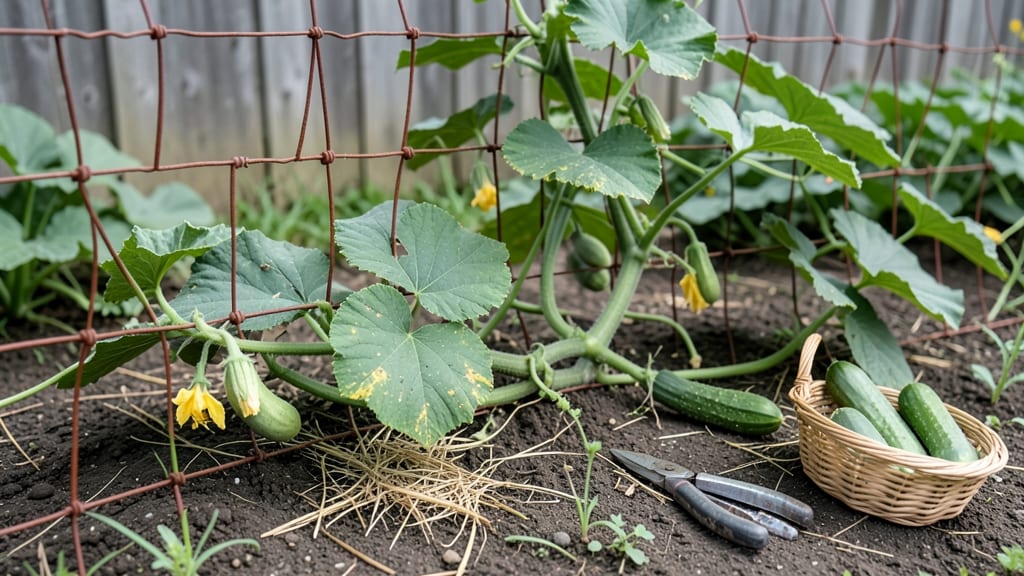
Harvesting cucumbers from your garden at the right time turns 60 days of care into crisp, flavorful bites—so knowing when to pick is everything.
Picking too early means waiting longer for your harvest, while waiting too long turns those perfect 🥒 slices into bitter, seedy disappointments. The difference between a great harvest and a wasted one often comes down to a few simple checks: size, color, and texture.
In USDA Zone 6a, where spring planting kicks off after the last frost in April, cucumbers typically hit peak flavor between June and August. But the real secret isn’t the calendar—it’s how your cucumbers look and feel when you reach for them.
Below, I’ll walk you through the exact signs to watch for, how often to harvest for maximum yield, and the one mistake that ruins flavor faster than anything else.


How to determine cucumber harvest time by size, color, and texture
Harvesting cucumbers at the right time ensures crisp, sweet flavors and prevents the bitter, seedy disappointment of overripe fruit. Unlike many vegetables, cucumbers don’t ripen after picking, so timing is everything.
The three key indicators—size, color, and texture—will guide you to the perfect harvest window for your slicing or pickling varieties. Ignoring these cues can mean the difference between a juicy salad ingredient and a watery, tough mess.
Most home gardeners focus only on cucumber size, but color and texture are equally important. For example, a 6-inch slicing cucumber with dull skin might be overripe, while a 4-inch pickling cucumber with vibrant color could still be perfect.
Understanding these variety-specific differences will help you avoid common mistakes and maximize your harvest. Let’s break down each clue so you can pick cucumbers at their peak.
| Indicator | Slicing Cucumbers | Pickling Cucumbers | Overripe Signs |
|---|---|---|---|
| Size | 6–8 inches long | 3–4 inches long | 10+ inches, thick skin |
| Color | Deep green, even tone | Bright green, glossy | Yellowing, dull patches |
| Texture | Firm but yields slightly | Crisp, no soft spots | Soggy, wrinkled skin |
| Stem | Yellowing at base | Dry, papery texture | Green, rubbery stem |
| Seed | Small, white seeds | Tiny, barely visible | Large, dark seeds |
For slicing cucumbers, aim for a 6–8 inch length with a deep green, even color. The skin should feel firm but slightly yielding when gently pressed with your thumbnail—a telltale sign of peak ripeness. If the cucumber feels rock-hard or mushy, it’s past its prime.
Popular varieties like Straight Eight or Marketmore thrive when harvested at this stage, delivering the crisp, refreshing texture we all love in salads and sandwiches.
When it comes to pickling cucumbers, size matters even more. These varieties—like Boston Pickling or National Pickling—should be harvested at 3–4 inches long to avoid bitterness. Look for bright green, glossy skin and a crisp texture that snaps when bent.
If you wait too long, the cucumbers develop large, dark seeds and a woody texture, ruining their suitability for pickling. Pro tip: Check the stem end—it should turn yellow and papery, signaling it’s time to pick.
Texture is often the most overlooked indicator but the most reliable. A ripe cucumber should have a slight give when pressed—like a ripe avocado. If it feels spongy or hollow-sounding when tapped, it’s overripe.
For textural testing, try the "thumb press": Press your thumbnail into the cucumber’s skin. If it leaves a shallow dent that bounces back, it’s ready. If it doesn’t dent at all, it’s underripe; if it stays indented, it’s past its peak.
Color changes are subtle but critical. A vibrant, even green hue indicates freshness, while yellowing or blotchy patches mean the cucumber is aging. Some heirloom varieties, like Armenian cucumbers, may develop striped patterns as they ripen—harvest them when the stripes are bold but the skin remains firm.
In hot climates, cucumbers can overripen quickly, so check your plants every 2–3 days during peak growing season to avoid missing the window.
Regional climate plays a role too. In hot, dry zones (like USDA Zone 9–10), cucumbers mature faster and may need harvesting every 1–2 days to stay crisp.
In cooler climates (like Zone 5–6), the growing season is shorter, so focus on harvesting at the first signs of ripeness to
Common mistakes that ruin cucumber flavor and how to avoid them
Even the most well-cared-for cucumber plants can produce disappointing harvests if you miss the harvest window. Waiting just a few days too long transforms crisp, sweet cucumbers into bitter, seedy giants.
The key is recognizing subtle cues your plants give—and acting fast. Many gardeners overlook these signals, leading to wasted effort and frustration.
One of the biggest mistakes is assuming size alone determines readiness. While most slicing cucumbers should be 6-8 inches long, some varieties like Lemon Cucumbers stay small and sweet.
Ignoring color and texture leads to overripe fruit that’s tough, watery, and full of large seeds. Your cucumbers are silently telling you when to pick—you just need to listen.
Another common trap is harvesting inconsistently. Skipping regular checks means cucumbers linger on the vine, stealing energy from new blooms. I’ve seen vines collapse under the weight of overripe fruit, leaving fewer resources for future harvests.
The solution? Make cucumber picking a daily habit during peak season to keep plants productive.
Here’s the critical mistake many beginners make: confusing plant stress signals with normal growth. Yellowing leaves or wilting vines often mean your cucumbers are begging to be picked. When plants struggle to support overripe fruit, they divert nutrients to leaves instead of new flowers. This cycle breaks the harvest chain.
⚠️ When to Harvest Cucumbers from Garden
Cucumbers reach peak flavor when they're 6-8 inches long with bright, consistent color. Check for these signs:
- 🟢 Firm skin that resists gentle pressure
- 🟡 Yellow stem end (not green)
- ✂️ Stem snaps easily when bent
Wait too long, and you’ll get bitter, seedy cucumbers that ruin salads and pickles.
Don’t fall for the myth that bigger cucumbers taste better. Many heirloom varieties like Straight Eight are best harvested small. Their flavor peaks at 4-6 inches, while waiting for them to grow larger makes them fibrous.
Always check your variety’s ideal size—what works for slicing cucumbers fails for pickling types.
Finally, avoid harvesting in extreme heat. Cucumbers wilt quickly under midday sun, making them look unripe when they’re not. Always pick in the early morning or late afternoon.
This prevents stress on the plant and gives you a true reading of ripeness. A cool cucumber is a happy cucumber—and a flavorful one.
Master these cues, and you’ll transform your cucumber harvest from disappointing to downright delicious. The difference between a good crop and a great one often comes down to timing—and a little attention to detail. 🥒