
Size
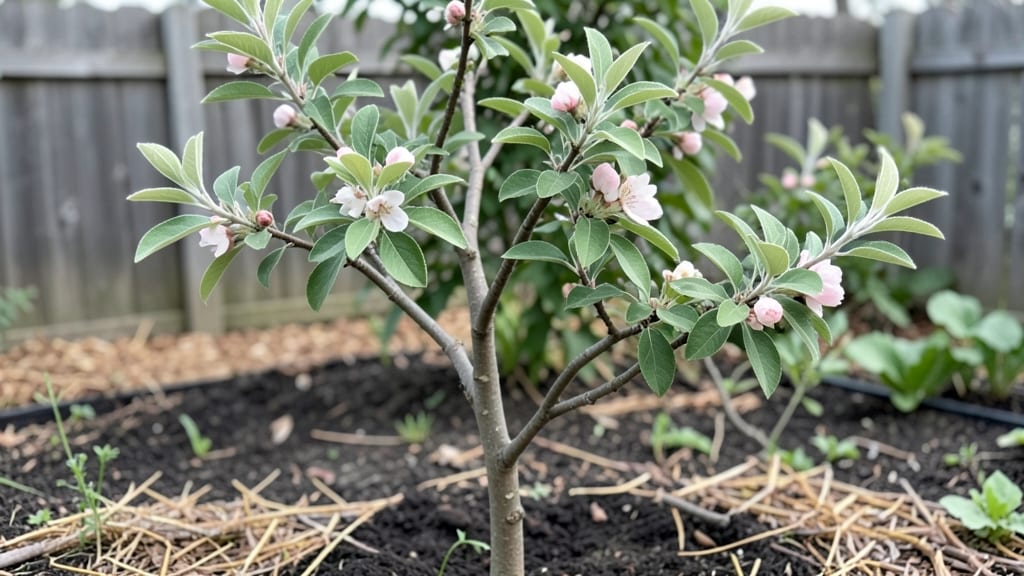
Transform your garden into a sun-drenched oasis by growing a nectarine plant that’ll turn your backyard into a summer fruit haven. 🌿 I've watched my own trees go from stubborn seedlings to heavy-fruiting giants, and the secret isn't luck—it's matching the right variety to your climate, giving roots the space to spread, and knowing exactly when to prune for those signature juicy fruits.
The first year is all about patience, but by year three, you'll be swimming in sweet, sun-ripened nectarines that put store-bought to shame.
Start with a cold-hardy variety like 'Fantasia' or 'Summergrand' if you're in zone 5-7—they handle spring frosts better than delicate heirlooms.
You'll need well-draining soil (mix in compost and sand if yours is heavy), a sunny spot with at least 6 hours of direct light daily, and a deep planting hole to encourage strong root growth.
The first two years focus on tree structure, not fruit—prune aggressively to open the canopy for airflow, which cuts down on fungal diseases and keeps those fruits sweet.
By summer's end, you'll be thinning fruit to 1-inch spacing—this might sound cruel, but it ensures the remaining nectarines grow 2-3 times larger and sweeter. The real magic happens in late August when you start seeing color change from green to that signature blush.
One bite of a properly ripened nectarine, still warm from the sun, and you'll understand why homegrown always wins over grocery store flavors.
Works in containers for small spaces (use a 15-gallon pot for dwarf varieties) or full ground for standard trees. The key to long-term success? Consistent watering during dry spells and annual applications of composted manure in early spring.
Here's how to make it happen—step by step, from that first seed to your first harvest.
📚 In This Guide
- What you need
- Instructions
- Tips and common mistakes
- Wrapping up and next steps
What you need
- ● Nectarine seeds or seedlings: 2–5 (fresh, disease-free seeds or nursery-bought saplings for best results).
- ● Growing containers (if starting indoors): 4–6 inch pots (2–3 per seedling) with drainage holes.
- ● Well-draining potting mix: 1–2 bags (sterile, peat-based or coconut coir blend).
- ● Garden soil (for transplanting): Loamy, slightly acidic (pH 6.0–7.0), amended with compost.
- ● Watering can or hose: With a gentle spray nozzle for seedlings.
- ● Fertilizer: Balanced 10-10-10 or citrus-specific fertilizer (follow package rates).
- ● Pruning shears: Sharp, sterilized (for shaping young trees).
- ○ Mulch (optional but recommended): Wood chips or straw (2–3 inches) to retain moisture.
- ● Seed stratification kit: If germinating seeds (cold treatment for 4–6 weeks).
- ● Grow lights: LED or fluorescent (for indoor seedlings, 12–16 hrs/day).
- ● Tree guards or cages: To protect young trees from pests/browsing animals.
- ● pH testing kit: To monitor soil acidity (especially for container grows).
- ● Pollination aid: Small paintbrush (if growing from seed to ensure cross-pollination).
Step-by-step instructions for growing nectarines from seed to fruit
Here’s how to cultivate vigorous nectarine trees that produce sweet, juicy fruit—starting with a single seed.
🌱 Step 1: Stratify and Germinate Nectarine Seeds
First, collect fresh nectarine pits from fully ripe fruit—avoid store-bought varieties, as they’re often treated to prevent germination. Remove all flesh, then rinse the pit clean. The key to breaking dormancy is stratification: place the pit between two damp paper towels in a sealed plastic bag and refrigerate for 8-12 weeks at 35-40°F. Check weekly—discard any pits that mold or rot.
After stratification, plant the pit ½ inch deep in a 4-inch pot filled with sterile potting mix (never garden soil). Keep the soil consistently moist but not soggy—top inch should feel damp to touch. Place the pot in a warm, sunny spot (70-75°F) with bright indirect light. Germination takes 4-8 weeks, but patience is critical—rushing this step often leads to weak seedlings.
☀️ Step 2: Nurture Seedlings to Transplant Size
Once the seedling reaches 4-6 inches tall with 3-4 true leaves, it’s ready for its first repotting into a 1-gallon container. Use the same sterile potting mix and ensure the pot has drainage holes. Place the seedling in bright, filtered light (direct sun now can scorch tender leaves). Water once weekly, letting excess drain completely—soggy roots kill nectarines faster than drought.
Fertilize lightly with a balanced 10-10-10 formula every 4 weeks starting at 3 months old. You’ll notice stronger stems and deeper green leaves within 2-3 weeks—this signals the seedling is thriving. Avoid over-fertilizing; nectarines are sensitive to salt buildup, which stunts growth.
🪴 Step 3: Harden Off and Plant Outdoors
When nights stay above 50°F and no frost is forecasted, begin hardening off. Move the 1-gallon seedling outdoors for 2 hours daily, gradually increasing to full sun exposure over 2 weeks. Choose a sunny, sheltered spot with well-draining soil—nectarines hate waterlogged roots. Dig a hole twice as wide as the pot but no deeper, then loosen the roots gently before placing the seedling in.
Backfill with native soil, firm gently, and water deeply. Mulch with 2-3 inches of organic mulch (like wood chips) to retain moisture and suppress weeds. The first year focuses on root establishment, so avoid heavy pruning—just remove any dead or crossing branches. You’ll see new growth within 3-4 weeks, confirming the tree is settling in.
⏰ Step 4: Prune and Care for Fruit Production
By year 3, your nectarine tree should bear flower buds. Prune in late winter (before buds swell) to remove dead wood and crowded branches, opening the canopy for sunlight. Thin fruit clusters to 6-8 inches apart—overcrowding leads to small, sour nectarines. Use drip irrigation to avoid wetting leaves, which prevents fungal diseases like brown rot.
Fruit ripens in late summer, so monitor for color change and slight softness. Harvest when the fruit detaches easily from the tree—waiting too long makes them mealy. The first harvest may be small, but with patience, your tree will yield juicy, sweet nectarines for decades. Real talk: nectarines from seed take 5-7 years to reach full production, but the reward is worth it.
Tips & tricks for perfect nectarine trees from seed
Growing nectarines from seed is a marathon, not a sprint—here are the game-changing details that separate thriving trees from disappointing failures.
Stratification Precision: The 8-12 week cold treatment at 35-40°F is non-negotiable for breaking dormancy. I've seen gardeners skip this step and wonder why their pits never sprout—don't make that mistake! Place your sealed bag of pits in the crisper drawer of your fridge for consistent temperatures. If your fridge fluctuates, consider a dedicated seed stratification setup with a thermometer to maintain that critical 35-40°F range.
Germination Environment: Once you plant that stratified pit in your 4-inch pot, the 70-75°F warm spot with bright indirect light becomes your seedling's lifeline. I've learned the hard way that direct sunlight at this stage can scorch delicate young leaves—think of it as giving your seedling a gentle sunburn protection. A south-facing window with sheer curtains works perfectly for this phase.
Transplant Timing: That 4-6 inch height with 3-4 true leaves is your cue to repot into a 1-gallon container. I wait until I see the fourth true leaf because that's when the root system has developed enough to handle the upgrade. The key is moving the seedling gradually to brighter light—direct sun now would be like giving a newborn a tanning session.
Hardening Off Strategy: When nights consistently stay above 50°F, begin your 2-hour daily outdoor sessions. I've found that extending this to full sun too quickly often results in leaf burn. Gradually increasing exposure over 2 weeks mimics natural conditions and helps the seedling develop protective mechanisms against full sunlight. Think of it as a sunbathing lesson plan for your young tree.
Pro Tips for Nectarine Plant Grow A Garden
- Growing nectarines from seed is a marathon, not a sprint—here are the game-changing details that separate thriving trees from disappointing failures.
- Stratification Precision: The 8-12 week cold treatment at 35-40°F is non-negotiable for breaking dormancy.
- Germination Environment: Once you plant that stratified pit in your 4-inch pot, the 70-75°F warm spot with bright indirect light becomes your seedling's lifeline.
Frequently asked questions
Got questions about growing nectarines? You’re not alone! Here are answers to the most common concerns—from planting to troubleshooting—so you can grow juicy, sweet fruit with confidence.
How long does it take for a nectarine tree to bear fruit?
A nectarine tree grown from seed can take 5–7 years to produce fruit, while grafted trees (bought from nurseries) often fruit in 2–4 years. Patience pays off—healthy trees reward you with bountiful harvests!
What’s the best time to plant nectarine trees?
Plant nectarine trees in early spring (after the last frost) or late fall (6–8 weeks before winter). Avoid extreme heat—young roots need time to establish before summer stress. For container-grown trees, plant anytime the soil isn’t frozen!
Are nectarine trees prone to pests or diseases?
Yes! Watch for aphids, peach leaf curl, and brown rot. Prevent issues with:
- Pruning for airflow
- Spraying copper fungicide early spring
- Removing fallen fruit to stop fungal spread
Do nectarines need full sun, or can they grow in partial shade?
Nectarines love full sun (6–8+ hours daily), but they’ll tolerate partial shade (4–6 hours)—though fruit may be smaller or less sweet. If shading is unavoidable, pick a south-facing spot for maximum sunlight.
Can I grow nectarines from store-bought fruit?
Technically yes, but grafted trees (from nurseries) are better for consistent fruit. Store-bought seeds may not produce true-to-type nectarines—plus, they’re slower to fruit. Save time and effort by starting with a dwarf or semi-dwarf grafted tree!
Pro Tip:
Need a space-saving option? Try dwarf nectarine varieties like ‘Fantasia’ or ‘Redhaven’—they’re perfect for containers or small gardens! Just ensure they get enough sun and water.
Wrapping up and next steps
Growing nectarines from seed to harvest is a rewarding journey that blends patience, care, and a little creativity! 🌱 From selecting the right variety to nurturing young saplings and protecting them from pests, every step brings you closer to those sweet, juicy fruits.
Whether you’re a seasoned gardener or a beginner, the key is to stay consistent and enjoy the process—your efforts will soon be rewarded with a bountiful harvest.
Now that you’re armed with tips and tricks, take the next step: sketch out your garden plan, gather your supplies, and start planting! Share your progress with fellow gardeners or tag us in your photos—we’d love to see your nectarine trees thrive! 🍑✨