
Tools
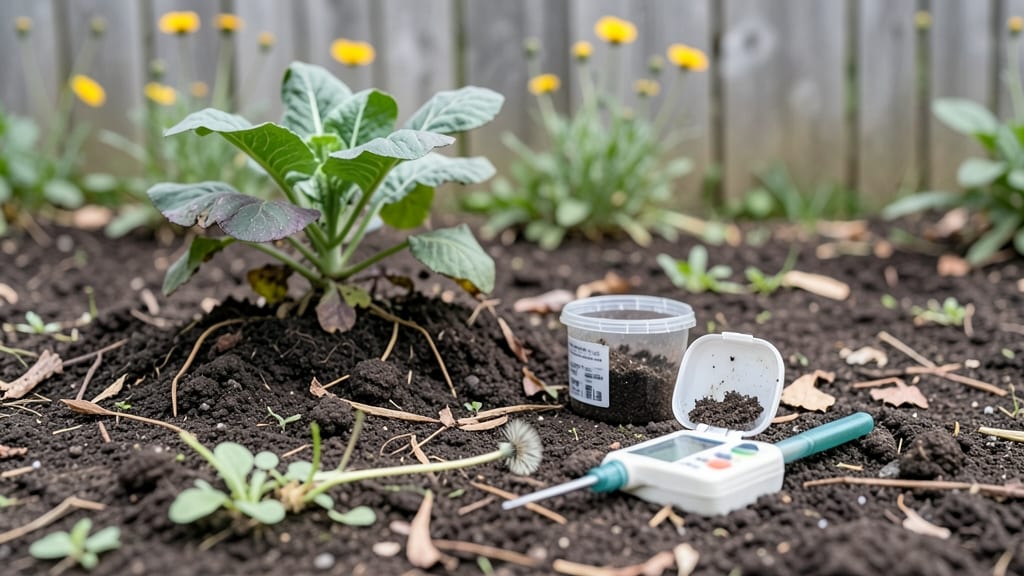
Balancing your garden soil acidity isn’t rocket science—it’s about giving plants the right pH foundation to thrive. 🌱 I learned the hard way when my blueberries turned sour (literally) because the soil was too alkaline. The fix was simple once I understood how to test and adjust it properly.
Most gardeners need just a few basic tools: a soil pH test kit (or vinegar/baking soda for quick checks), a garden fork for mixing amendments, and lime or sulfur depending on what your plants need.
The key is knowing whether your soil leans too acidic or too alkaline—then making small, strategic changes.
Once you get the pH right, you’ll see vibrant green growth where plants were once struggling. Acid-loving plants like azaleas and potatoes will flourish, while veggies like spinach and carrots stay healthy in slightly alkaline soil. The secret isn’t guessing—it’s testing, adjusting, and monitoring.
This works for any garden size, from raised beds to in-ground plots. Let’s get your soil in the perfect zone for what you’re growing—no more wasted effort or underperforming plants.
📚 In This Guide
- What you need
- Instructions
- Tips and common mistakes
- Wrapping up and next steps
What you need
- ● Soil pH testing kit – Digital or liquid test strips (e.g., LaMotte or MySoil kits) for accurate readings.
- ● Garden trowel or shovel – For collecting soil samples (5–6 inches deep).
- ● Clean buckets or jars – At least 2–3 (500 mL–1 L capacity) for sample storage.
- ● pH adjustment amendments (choose based on your soil’s needs): To lower pH (make soil more acidic): Elemental sulfur – 5–10 lbs per 100 sq ft (applied in fall for gradual changes).
- ● Peat moss or pine needles – 2–3 inches mixed into topsoil.
- ● Aluminum sulfate – 1–2 lbs per 100 sq ft (fast-acting but use sparingly).
- ● To raise pH (make soil more alkaline): Lime (dolomitic or agricultural) – 10–20 lbs per 100 sq ft (apply in early spring).
- ● Wood ash – 1–2 cups per sq ft (use cautiously; can over-alkalinize).
- ● Crushed eggshells or oyster shell – ½ cup per sq ft (slow-release calcium).
- ● Gloves and safety goggles – For handling amendments like sulfur or lime.
- ● Watering can or hose – To hydrate soil after amendments are applied.
- ● Soil moisture meter – Ensures amendments are applied to damp soil for better absorption.
- ● Compost or organic matter – Improves soil structure and buffers extreme pH swings.
- ● pH buffer solution (for calibration) – If using a digital pH meter.
- ● Labeling tags – To track pH adjustments in different garden beds.
Step-by-Step guide to testing and adjusting garden soil pH
Here’s how to diagnose and fine-tune your soil’s acidity for peak plant performance.
🌱 Step 1: Test Your Soil’s Current pH
Start with a soil pH test kit—these are affordable and accurate. Collect samples from 4-6 spots in your garden, about 6 inches deep, mixing them into a composite. Moisten the soil with distilled water (tap water can skew results) and follow the kit’s instructions to develop the color. Compare the hue to the chart: 6.0-7.0 is ideal for most vegetables, while 4.5-5.5 suits blueberries and azaleas.
I like to test in early spring before planting, as seasonal rains can shift pH. If your results are below 5.5 or above 7.5, you’ll need adjustments. For a quick sanity check, dig up a handful of soil—if it smells strongly of sulfur or looks powdery, it’s likely acidic. A chalky, white residue suggests alkalinity.
💧 Step 2: Amend Acidic Soil (pH Below 6.0)
To lower pH, add elemental sulfur or peat moss—both break down to release acidity. For 100 square feet, spread 1-2 pounds of sulfur evenly and water it in. Peat moss works slower but improves soil structure too; mix in 2-3 inches and till lightly. Avoid aluminum sulfate unless you’re prepping for acid-loving plants like hydrangeas—it can lock up phosphorus over time.
Wait 4-6 weeks before retesting. The process takes time because sulfur needs microbial activity to convert. I like to apply amendments in early fall so they have winter to integrate. If your soil is extremely acidic (below 5.0), consider lime sulfur (a hybrid product) for faster results, but use it sparingly—it’s potent.
☀️ Step 3: Raise pH in Alkaline Soil (Above 7.0)
To increase pH, pelletized lime is your best bet. For 100 square feet, apply 5-10 pounds depending on how far your pH is from neutral. Work it into the top 6 inches of soil and water thoroughly. Dolomitic lime adds magnesium, which is great for clay soils, while calcitic lime is purer for quick pH shifts. Avoid garden lime (calcium carbonate)—it’s too coarse and clumps.
Lime takes 2-3 months to fully integrate, so plan ahead. I test again in late spring to confirm the change. If your soil is severely alkaline (above 8.0), consider gypsum (calcium sulfate) first—it won’t raise pH but improves drainage and reduces sodium buildup. For stubborn cases, wood ash (from untreated hardwood) can help, but use it sparingly—too much raises pH too fast.
✂️ Step 4: Maintain pH Through Seasonal Care
Once balanced, organic matter is your secret weapon. Compost, leaf mold, and well-rotted manure buffer pH naturally. Spread 1-2 inches annually and till in lightly. I also mulch with pine needles (acidifying) or wood chips (neutral) to stabilize pH over time. Avoid fresh sawdust—it robs nitrogen and can throw off the balance.
Monitor pH annually in spring, especially if you notice yellowing leaves (low iron in alkaline soil) or stunted growth (acidic soil locking up nutrients). For container gardens, use pH-adjusted mixes—some plants (like blueberries) need ERICA mix, while others thrive in standard potting soil. Always check the label before repotting.
⏰ Step 5: Troubleshoot Common pH Problems
If plants wilting despite water could signal sodium buildup in alkaline soil—flush with 3 inches of water to leach excess salts. For acid-loving plants struggling, check for chlorosis (yellowing leaves with green veins)—this often means iron deficiency in alkaline soil. Apply chelated iron or iron sulfate as a foliar spray for quick relief.
I’ve seen gardeners overcorrect pH by adding too much lime or sulfur at once, which disrupts microbial life. Always retest after amendments and adjust gradually. For vegetable gardens, aim for 6.0-7.0; for berries and rhododendrons, 4.5-5.5 is ideal. Patience is key—soil chemistry isn’t a quick fix, but it’s worth the effort for thriving plants.
Tips & tricks for balancing garden soil acidity
Soil chemistry isn't rocket science—but it does require precision. Here's how to get it right without the guesswork.
Testing Accuracy Matters: When using your soil pH test kit in Step 1, always collect samples from multiple spots (4-6) to get a true reading. I’ve seen gardeners test just one area and get wildly inaccurate results—especially in large gardens where pH can vary by zone. For container gardens, test the existing mix before repotting, as old soil can retain pH memory from previous plants. The color chart comparison is critical—natural light works best for accurate hue matching.
Timing is Everything: The 4-6 week waiting period after applying sulfur in Step 2 isn't arbitrary—it's the time microbial activity needs to convert sulfur into sulfuric acid. Don't rush this process! I've seen impatient gardeners retest too early and think their soil wasn't responding, only to discover they needed more time. For lime applications in Step 3, that 2-3 month integration window is equally important—it's not just about adding the amendment, but giving it time to fully incorporate into the soil structure.
Layering Amendments Strategically: When maintaining pH through seasonal care in Step 4, think of organic matter as your pH buffer system. The 1-2 inches of compost annually I recommend creates a natural reserve that stabilizes pH over time. For acid-loving plants, I like to mix pine needles into the top inch of soil—they release acidity slowly as they decompose. The key is consistency: annual applications prevent dramatic swings that can stress plants. For alkaline soils, gypsum in Step 3 is particularly effective because it improves drainage while gently reducing sodium buildup without altering pH directly.
Visual Cues for Quick Diagnostics: In Step 5, those visual clues about plant health are invaluable. The yellowing leaves with green veins (chlorosis) you're warned about in alkaline soil often appear first on younger leaves—this is your plant's way of signaling iron deficiency. For acid-loving plants showing stunted growth, check the root zone: if it smells strongly of sulfur, you might have over-applied amendments. And remember, wilting despite adequate water? That's your signal to flush the soil with 3 inches of water to address potential sodium buildup.
Pro Tips for Garden Soil Acidity
- Soil chemistry isn't rocket science—but it does require precision. Here's how to get it right without the guesswork.
- Testing Accuracy Matters: When using your soil pH test kit in Step 1, always collect samples from multiple spots (4-6) to get a true reading.
- Timing is Everything: The 4-6 week waiting period after applying sulfur in Step 2 isn't arbitrary—it's the time microbial activity needs to convert sulfur into sulfuric acid.
Frequently asked questions
Got questions about garden soil acidity?
Here are some of the most common concerns—and straightforward answers—to help you keep your plants happy and healthy.
How do I know if my soil is too acidic?
Test your soil’s pH using a home testing kit or send a sample to a local extension office. Most plants thrive in slightly acidic to neutral soil (pH 6.0–7.0). Signs of overly acidic soil include yellowing leaves, stunted growth, or plants struggling to absorb nutrients—even with regular fertilizer.
Can I fix acidic soil overnight?
Nope! Adjusting soil pH takes time—usually weeks to months—because it depends on organic matter breakdown, rainfall, and soil composition. For quick fixes, apply lime (to raise pH) or sulfur (to lower it) in small amounts, then retest after 4–6 weeks. Patience is key!
Will raising soil pH kill my acid-loving plants (like blueberries or azaleas)?
Yes, if you overdo it! Acid-loving plants (ericaeous species) need pH 4.5–5.5 to thrive. If you’re adding lime to balance pH for other plants, isolate these acid-lovers in containers with pre-mixed acidic soil or create a separate garden bed. Monitor their leaves—dark green and glossy means they’re happy!
Is it cheaper to buy pre-mixed soil or amend my existing soil?
Amending your existing soil is almost always cheaper and better for the environment. Pre-mixed bags (like "acidic potting soil") are convenient but cost more per cubic foot. For large gardens, invest in lime, sulfur, or compost—they’re budget-friendly and improve soil long-term.
Does cold weather affect soil pH adjustments?
Yes! Microbes that break down amendments (like lime or sulfur) slow down in cold soil. Avoid applying pH adjusters in late fall or winter—they’ll sit dormant until spring. Instead, test your soil in early spring and amend 4–6 weeks before planting. Warm, active soil works best!
How often should I retest my soil’s pH?
Retest every 1–2 years for established gardens or seasonally if you’re troubleshooting plant issues. After adding amendments, wait 4–6 weeks before retesting. Keep a log! pH can shift naturally due to rain, decomposition, or new plant roots—stay proactive to avoid surprises.
Wrapping up and next steps
Balancing your garden soil’s acidity is the secret ingredient for lush, healthy plants—no matter what you’re growing! 🌱 By testing your soil’s pH, amending it with natural or targeted solutions, and monitoring progress, you’re setting your garden up for success. Remember: patience and consistency are key!
Ready to take the next step? Start small:
- Test a single bed or pot first to refine your approach.
- Keep a journal to track pH changes and plant responses.
- Share your progress with fellow gardeners—you’ll inspire (and learn from) others!