
Tools
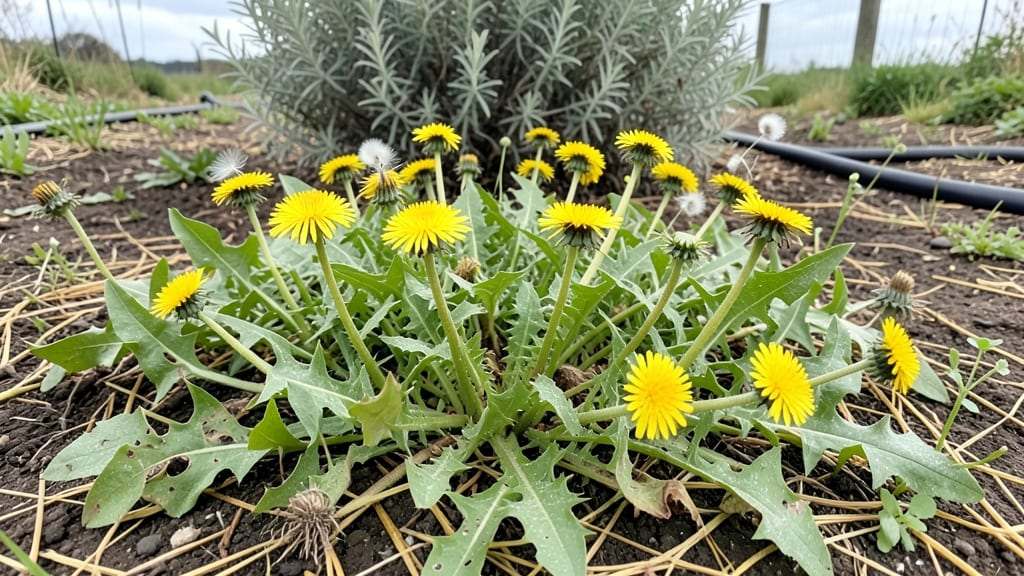
Weeds overtaking garden isn’t just an eyesore—it’s a battle for your plants’ resources. I’ve spent years watching my vegetable beds get smothered by crabgrass and dandelions, only to learn the hard way that brute force often backfires.
The key isn’t just pulling weeds but understanding why they take over in the first place.
Most weeds thrive because they’re faster, deeper-rooted, or better at spreading than your garden plants. A single dandelion can produce 2,000 seeds per plant, while mulch breaks down and leaves gaps they exploit.
The good news? You don’t need harsh chemicals to win—just smarter timing and tools like a hula hoe or boiling water for stubborn patches.
By combining hand-pulling at the right moisture level, mulching with straw or cardboard, and planting competitive ground covers, you’ll reclaim your garden without poisoning the soil. Within weeks, you’ll see fewer weeds and more space for your tomatoes and herbs to flourish.
This works year-round, though spring and fall are the easiest times to stay ahead. The secret is consistency—10 minutes of weeding weekly beats a frantic month-long cleanup. Let’s turn that jungle into a thriving garden without the guilt.
Root Causes Of Unwanted Growth
When your garden becomes a battleground against weeds, it’s rarely a random act of nature—it’s usually a response to specific conditions you can address. Understanding why weeds thrive helps you take precise, humane action. Below, we break down the science behind their dominance, from soil health to seasonal triggers.
Weeds often flourish because they’re opportunistic plants that exploit gaps in your garden’s ecosystem. One of the biggest triggers is nutrient-poor or over-fertilized soil. Here’s how it works:
- Lack of competition: Weeds like dandelions and crabgrass thrive in soil where desirable plants struggle due to low nitrogen, phosphorus, or organic matter. They’re fast growers, filling the void left by weak or sparse vegetation.
- Over-fertilization with nitrogen: While nitrogen boosts leafy growth, it can stimulate weeds more than perennials or slow-growing plants. Weeds like chickweed and clover respond aggressively to excess nitrogen, outcompeting your intended flora.
- pH imbalances: Soil pH affects nutrient availability. Weeds often dominate in acidic (low pH) or alkaline (high pH) soil, where your plants can’t access essential minerals like iron or calcium. Test your soil—aim for a balanced pH (6.0–7.0) for most gardens.
Actionable fix: Conduct a soil test (DIY kits are affordable) and amend with compost or organic matter to restore balance. For nitrogen-heavy soils, use slow-release fertilizers or mulch to feed soil gradually.
Water is the lifeblood of any garden—but how you water can turn it into a weed magnet. Here’s the science:
- Surface-level watering: Weeds like purslane and spurge have shallow root systems and germinate near the soil surface. Frequent light watering (e.g., daily sprinklers) keeps the topsoil moist, creating the perfect conditions for their seeds to sprout.
- Overhead irrigation: Rain or sprinklers can disperse weed seeds from neighboring areas into your garden. Unlike deep-rooted plants, weeds rely on quick germination—soaking the soil surface accelerates this process.
- Inconsistent moisture: Some weeds, like bindweed, thrive in fluctuating moisture levels. They adapt to dry spells by going dormant, then explode with growth when water returns.
Actionable fix:
- Switch to deep, infrequent watering (1–2 inches per week) to encourage deep root growth in your plants and dry out weed seeds.
- Use drip irrigation or soaker hoses to target plant roots directly, minimizing surface moisture.
- Water in the early morning to reduce evaporation and fungal risks for weeds.
Weeds are masters of opportunity, and bare soil or thin plant coverage gives them the upper hand. Here’s why:
- Sunlight exposure: Weeds like pigweed and lamb’s quarters are sun-loving annuals. When your garden has bare patches (from dead plants, newly planted areas, or mulch breakdown), they seize the sunlight, germinating in days.
- Competition suppression: Dense plantings or mulch block weeds by shading the soil and limiting seed contact with light. Without this barrier, weed seeds photosynthesize immediately upon landing.
- Disturbed soil: Tilling or digging aerates the soil, bringing buried weed seeds to the surface. Some seeds (like those from quackgrass) can lie dormant for decades—until you disturb them.
Actionable fix:
- Plant ground covers (like clover or creeping thyme) or dense perennials to outcompete weeds naturally.
- Use organic mulch (straw, wood chips) to block light and retain moisture—just keep it 2–4 inches thick away from plant stems.
- Avoid tilling. Instead, smother weeds with cardboard or newspaper before adding mulch.
Weeds don’t just appear—they time their takeover based on your climate and seasonal shifts. Key factors include:
| Season | Weed Behavior | Why It Happens |
|---|---|---|
| Spring | Explosive germination (e.g., chickweed, henbit) | Warm soil + increased rainfall trigger dormant seeds to sprout. Many weeds are cool-season annuals, peaking in spring. |
| Summer | Aggressive spread (e.g., crabgrass, nutsedge) | High heat and shallow watering favor weeds with C4 photosynthesis (like crabgrass), which thrive in droughty conditions. |
| Fall | Seed production (e.g., ragweed, goldenrod) | Weeds prioritize reproduction before frost. A single ragweed plant can release 1 billion seeds per season! |
| Winter | Dormant but persistent | Cold-hardy weeds (like creeping charlie) survive underground, resuming growth as soon as soil thaws. |
Actionable fix:
- Spring: Apply pre-emergent herbicides (organic options like corn gluten) before weeds sprout, or use mulch early.
- Summer: Adjust watering to deep soakings and mow high (3–4 inches) to shade out crabgrass.
- Fall: Remove weed flowers before they seed (hand-pull or smother).
Tackle Your Garden’s Weed Takeover
Now that you understand why weeds are crowding out your garden, it’s time to reclaim your green space—without resorting to harsh chemicals or tilling that disrupts your soil’s health. The key is a multi-step approach that combines manual removal, natural suppression, and long-term prevention.
Below, we’ll break down solutions by the most common causes of weed dominance and pair them with actionable fixes.
Weeds thrive where plants don’t, so outcompete them with dense, healthy growth.
🔥 Step 1: Mulch Like a Pro
- Why it works: A thick layer of mulch (2–4 inches) blocks sunlight, smothers weed seeds, and retains moisture—giving your plants the upper hand.
- How to do it:
- Use organic mulch (straw, wood chips, shredded leaves, or grass clippings) for best results.
- Avoid black plastic or landscape fabric—these can trap heat, harm soil life, and create a new problem when removed.
- Replenish mulch every few months as it breaks down.
🌡️ Step 2: Plant a Living Barrier
- Fast-growing ground covers (like clover, creeping thyme, or comfrey) or dense perennials (hostas, ferns, or ornamental grasses) can choke out weeds naturally.
- Interplant annuals (like basil or lettuce) between rows to fill gaps quickly.
✨ Prevention Tip:
- Plant seeds or transplants closely—weeds need space to germinate. Aim for no bare soil between crops.
- Use row covers early in the season to block weed seeds from landing.
Weeds love damp soil—starve them of water to weaken their hold.
💡 Step 1: Improve Drainage
- Amend clay-heavy soil with compost or sand to help water drain faster.
- Raised beds can be a game-changer if your garden sits in a low spot.
🔪 Step 2: Hand-Pull at the Right Time
- Best time to remove: When soil is moist but not soggy (early morning or after rain).
- Pull weeds young—they’re easier to remove before they develop deep roots.
- Use a hoe for broadleaf weeds (like dandelions) when they’re small—slice them off just below the soil line.
🎯 Prevention Tip:
- Water deeply but less often—this encourages plant roots to grow deeper, leaving less surface moisture for weeds.
- Install a drip irrigation system to target plants directly, reducing runoff that washes weed seeds around.
For stubborn weeds, combine physical removal with natural deterrents.
🍳 Step 1: Vinegar or Salt Spray (Use Sparingly!)
- DIY weed killer: Mix 1 gallon of white vinegar + 1 cup salt + 1 tbsp dish soap.
Spray directly on weeds (avoid desirable plants—it’s non-selective!). - Best for: Small patches of weeds in cracks, driveways, or between pavers. - ⚠️ Warning: This kills all plants it touches—never use on garden beds where you want plants to grow.
👨🍳 Step 2: Boiling Water or Flame Weeding
- Boiling water: Pour directly on weeds (works well for driveway cracks or walkways).
- Propane torch (flame weeding): Quickly singe weeds—great for large patches but requires caution (wear gloves and eye protection).
🔥 Step 3: Solarization for Heavy Infestations
- How it works: Cover weed-infested soil with clear plastic sheeting for 4–6 weeks in hot sun.
The trapped heat kills seeds and roots. - Best for: Large bare areas before planting. - Pro tip: Wet the soil first to enhance heat retention.
🌡️ Prevention Tip:
- Sow cover crops (like winter rye or buckwheat) in off-seasons—they deplete weed seeds in the soil.
- Rotate planting areas to prevent weed buildup in one spot.
Weak soil = weak plants = weed paradise. Rebuild soil structure to crowd out invaders.
💪 Step 1: Aerate & Add Compost
- Loosen compacted soil with a garden fork or aerator to help roots grow deeper.
- Work in 2–3 inches of compost—this improves soil health, boosts microbial activity, and gives plants the strength to outcompete weeds.
🥗 Step 2: Feed with Organic Matter
- Fish emulsion, worm castings, or compost tea provide quick nutrients to help plants grow faster.
- Avoid synthetic fertilizers—they can promote fast weed growth too.
🎯 Prevention Tip:
- Test your soil (DIY kits are cheap!) to check pH and nutrient levels—balanced soil = fewer weed opportunities.
- Plant nitrogen-fixing crops (like peas or beans) to naturally enrich soil.
- ❌ Tilling: It buries weed seeds deeper, making them harder to kill and causing future outbreaks.
- ❌ Overwatering: Keeps weed seeds moist and ready to sprout.
- ❌ Ignoring small weeds: They grow fast—pull them young before they seed.
Final Thought: The best weed control is prevention—healthy soil + dense plantings + smart watering will keep weeds at bay long-term. Start with one or two methods this season, and watch your garden reclaim its space naturally! 🌿✨
Frequently asked questions
Why do weeds spread so aggressively in my garden?
Weeds thrive because they're opportunistic—fast-growing, shallow-rooted, and designed to exploit gaps in your garden's ecosystem. They outcompete slower-growing plants by seizing sunlight, nutrients, and moisture first. Common triggers include bare soil, overwatering, and disturbed ground from tilling, which brings dormant weed seeds to the surface.
What’s the best time of day to pull weeds?
Early morning is ideal when soil is moist but not soggy—this makes weeds easier to remove with their roots intact. Avoid pulling after rain when soil becomes compacted, or in midday heat when plants wilt and may break off at the surface. A quick 10-minute session in the morning prevents weeds from establishing deep roots.
Can I use vinegar to kill weeds without harming my plants?
Vinegar works as a non-toxic weed killer, but it’s non-selective—it will kill anything it touches, including desirable plants. For targeted use, apply it directly to weeds on non-plant areas like driveways or sidewalks. Mix 1 gallon white vinegar + 1 cup salt + 1 tbsp dish soap for best results, but always spot-test first.
How long does it take to see results from mulching?
With consistent mulching (2–4 inches thick), you’ll notice fewer weeds within 2–4 weeks as existing seeds lose access to sunlight. For long-term suppression, maintain mulch throughout the growing season. Combine mulch with dense plantings for even faster results—weeds can’t compete with healthy, crowded vegetation.
Are there any weeds I should keep in my garden?
Some "weeds" are actually beneficial! Clover fixes nitrogen in the soil, dandelions attract pollinators, and chickweed acts as a living mulch. If you notice these, consider leaving small patches or intentionally planting them. However, aggressive spreaders like bindweed or nutsedge should always be removed to protect your garden’s health.