
Vegetables
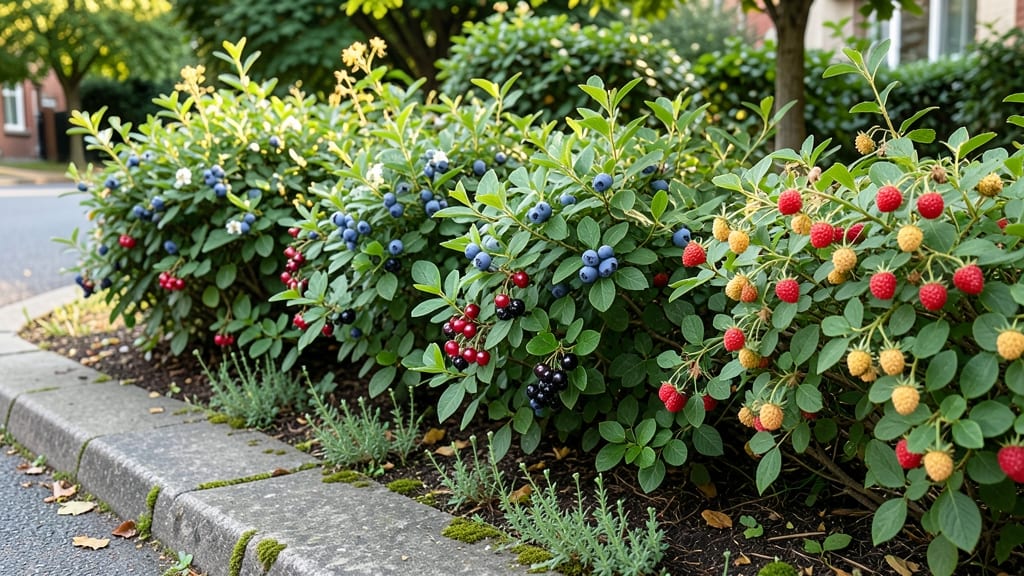
Boston’s urban landscape is transforming into a lush network of victory gardens. These space-saving designs prove you don’t need a backyard to grow fresh produce—just creativity and a small plot. Discover how locals are turning balconies, rooftops, and vacant lots into thriving edible gardens.
Vertical Herb Garden on Backyard Fences
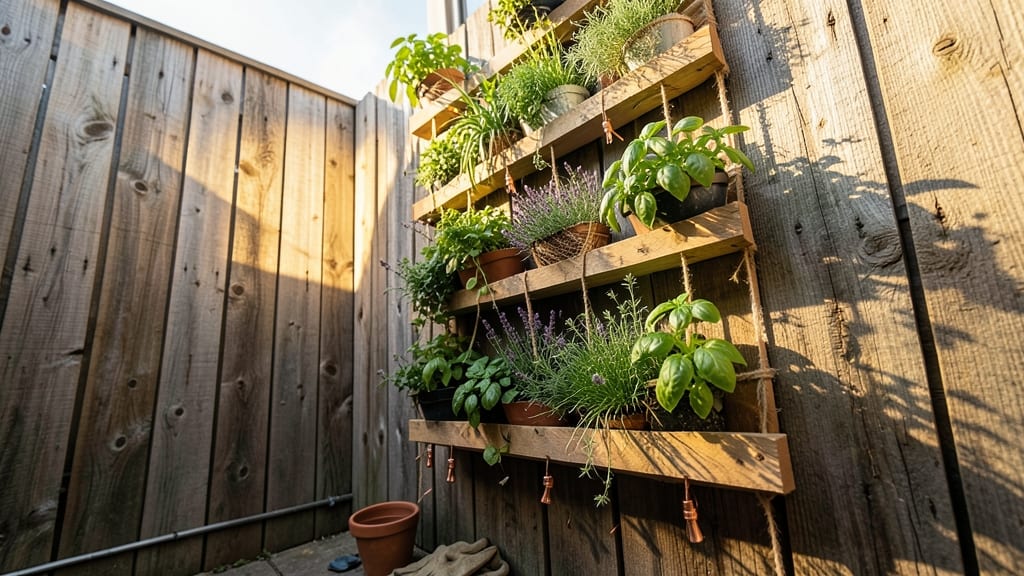
If you’re renting a tiny Boston apartment or just want to maximize every inch of outdoor space, your fence could be the secret to a fragrant, high-yield herb garden. This vertical DIY trellis system turns an otherwise unused vertical surface into a lush, aromatic display—no yard required!
Start by attaching drought-resistant planters (like cedar or recycled plastic) to your fence with sturdy brackets. Fill them with rosemary, thyme, oregano, or basil—all thrive in Boston’s climate and need minimal water once established. For extra stability, weave jute twine between planters to create a living tapestry. Prune regularly to encourage bushier growth and harvest leaves as needed for cooking or tea.
This setup is perfect for renters, urban gardeners, or anyone short on space—it’s portable, low-maintenance, and adds curb appeal. Plus, the scent alone will make your backyard feel like a Mediterranean retreat. 🌿
Rooftop Container Farming with Hydroponics
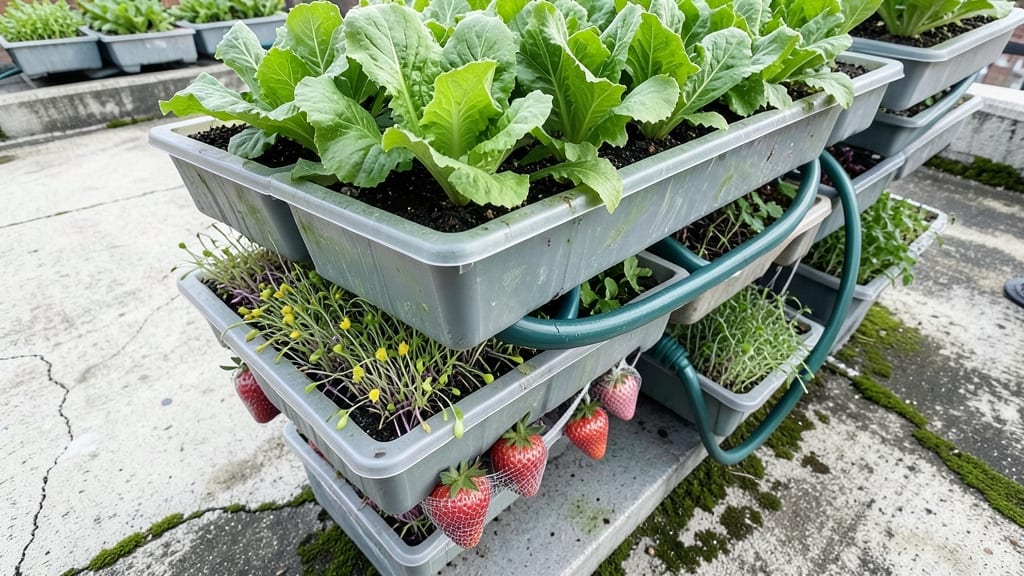
Turn your city apartment into a self-sustaining farm without sacrificing square footage—rooftop hydroponics lets you grow lettuce, microgreens, and strawberries in stacked, recycled containers. This system uses 90% less water than traditional soil gardens, making it perfect for Boston’s unpredictable weather while maximizing yield in tight spaces.
Start with a hydroponic starter kit (like AeroGarden or Tower Garden) and repurpose plastic bins or old gutters as planters. Use a pump system to circulate nutrient-rich water, and place containers near a south-facing window or small rooftop solar light for 6–8 hours of daily light. Strawberries thrive in this setup, while microgreens mature in just 10–14 days—ideal for quick harvests.
This method is a game-changer for urban farmers, renters, or anyone with limited space. No soil, no weeds, and no wasted water—just fresh produce delivered to your doorstep. 🌟
Community Plot in Boston’s Empty Lots
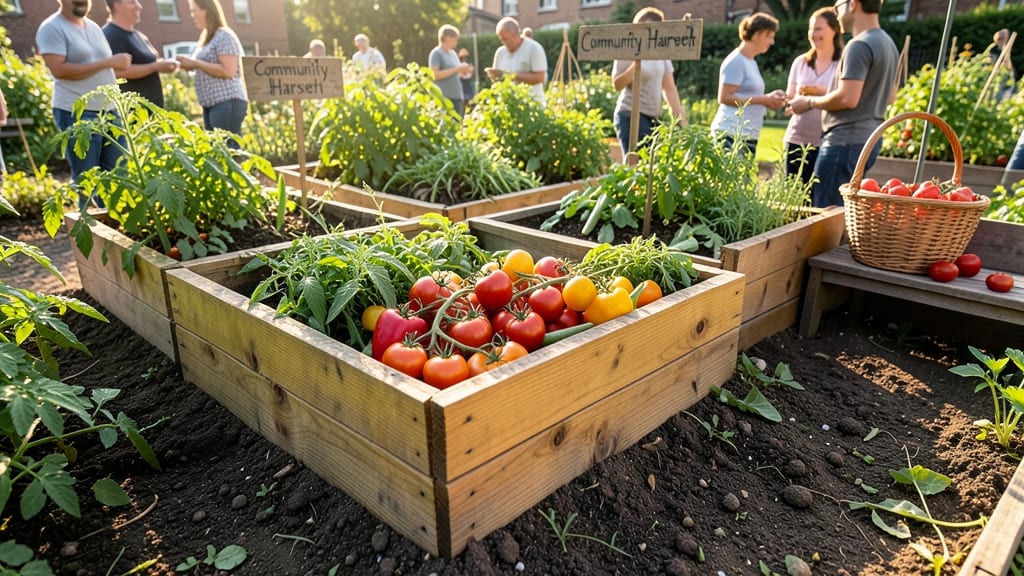
Turn Boston’s empty lots into thriving community harvests with shared raised beds that grow heirloom tomatoes, peppers, and beans—no yard required. These plots transform underused urban spaces into vibrant hubs where neighbors swap seeds, stories, and fresh produce while improving local food access.
Start with 4-foot-wide raised beds filled with nutrient-rich compost to ensure strong yields in compact spaces. Plant bush beans along the edges for easy picking, heirloom tomatoes in the center for shade, and peppers in the sunniest spots. Rotate crops yearly to maintain soil health and keep pests at bay.
Perfect for beginner gardeners, urban activists, or families, these plots turn gardening into a social activity while producing food. Check local programs like Boston Community Gardens for tools, seeds, and plot access—growing together has never been easier! 🌱
Balcony Strawberry Tower Planters
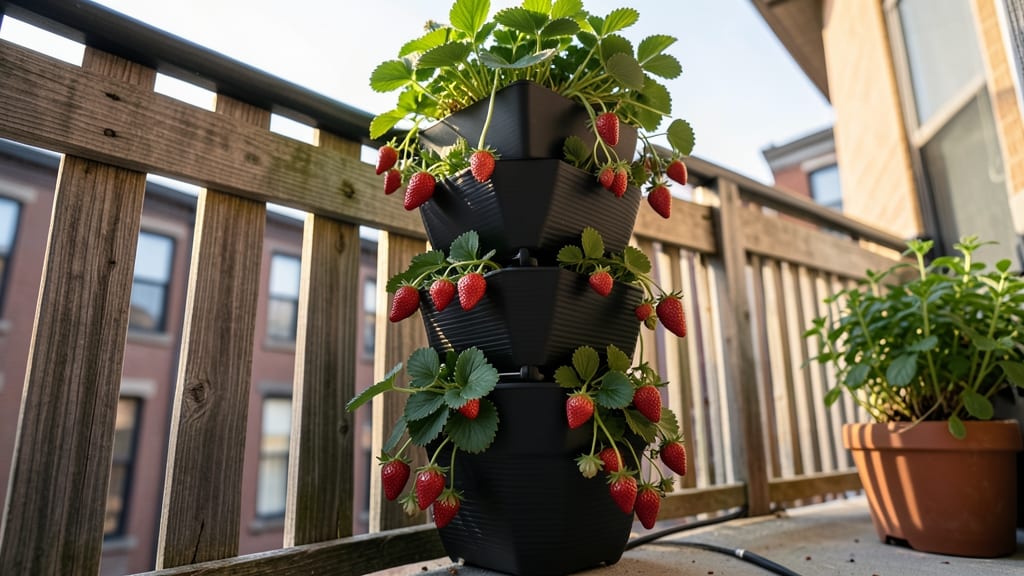
Turn your tiny balcony into a strawberry paradise without sacrificing square footage. These self-watering tower planters grow ever-bearing strawberries vertically, making them ideal for urban spaces with partial shade—perfect for Boston’s mixed-light conditions.
Each tower holds 6-12 plants, with built-in reservoirs that keep roots hydrated for up to 5-7 days. Choose day-neutral varieties like 'Albion' or 'Seascape' for continuous harvests from June through October, even in containers. The cascading design also deters pests while maximizing airflow.
This system is a game-changer for renters, small-space gardeners, or anyone craving fresh strawberries without the commitment of in-ground planting. 🌻
Underground Bunker Gardens for Year-Round Harvests
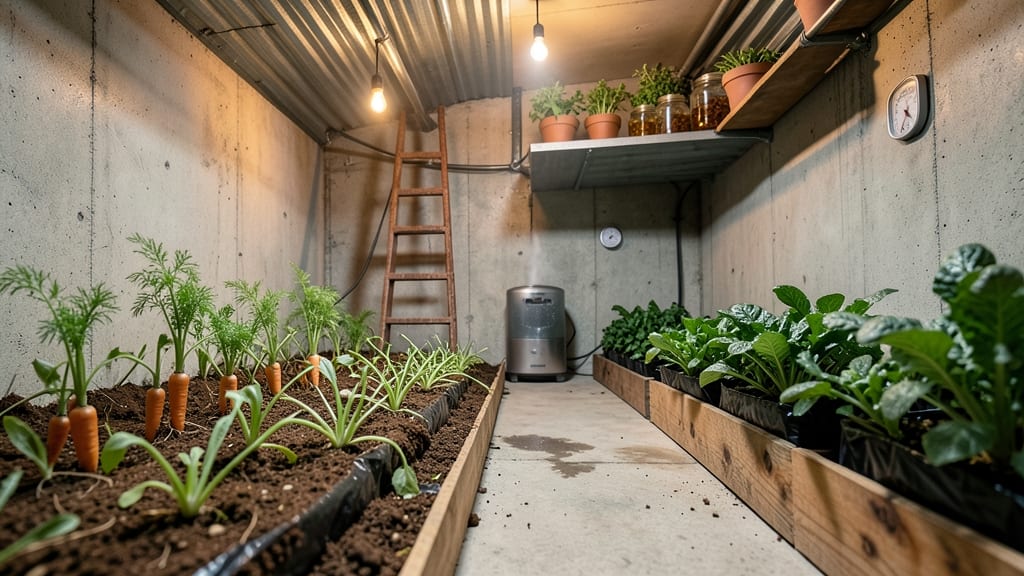
When Boston’s winters lock out traditional gardening, you can still grow fresh potatoes, carrots, and leafy greens—underground. Repurposed storm shelters or basements become year-round growing spaces with the right setup, offering a unique solution for urban gardeners with limited outdoor space.
Start with soil bags (like those used for potatoes) stacked vertically to maximize space, and add LED grow lights on a timer to mimic sunlight. Focus on cold-hardy crops like kale, spinach, and fingerling potatoes, which thrive in 50–60°F temperatures. A simple drip irrigation system keeps roots moist without flooding the space. Ventilation is key—install a small fan to prevent humidity buildup and mold.
This method is perfect for preppers, urban homesteaders, or anyone tired of winter grocery bills. With minimal sunlight needs and controlled conditions, you’ll enjoy homegrown harvests even when snow blankets the city. 💡
Window Box Microgreens for Fast Growing
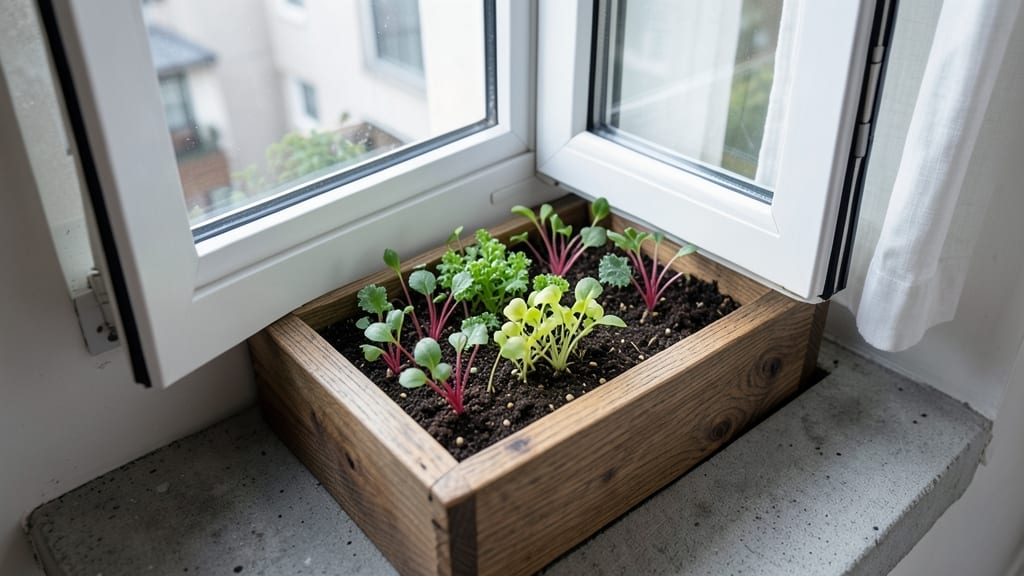
If you’ve ever dreamed of growing food but lack outdoor space, window box microgreens are your fastest ticket to a fresh harvest. These nutrient-packed sprouts—like radishes, broccoli, and kale—sprout in just 7–14 days with minimal effort, making them perfect for city apartments or condos.
Start by filling a shallow window box (6–8 inches deep) with moistened organic potting mix, then scatter seeds thinly and cover lightly with soil. Place the box on a sunny windowsill (south- or west-facing) where it gets 4–6 hours of direct light daily. Mist gently every 1–2 days—no overwatering needed—and harvest by snipping just above the soil when leaves are 1–3 inches tall.
This method is ideal for beginners, renters, or anyone short on space, delivering a quick, edible reward with zero fuss. Plus, you’ll save money and enjoy the satisfaction of homegrown greens year-round. 🌱
Permaculture Swales in Parking Lot Edges
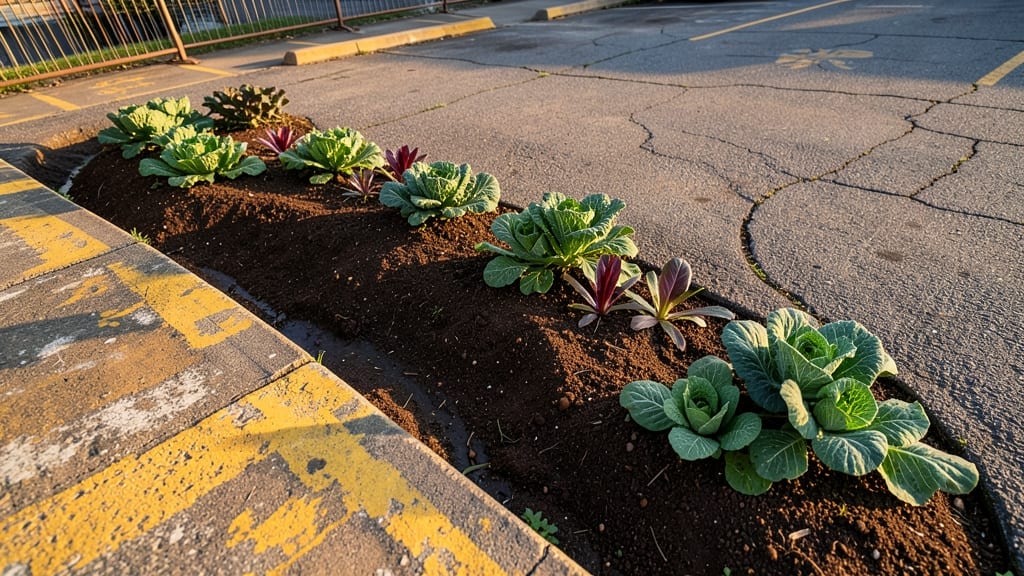
Turn Boston’s underused parking lot edges into productive green spaces with permaculture swales—simple trenches that capture rainwater while growing hearty crops. These low-maintenance systems require no irrigation once established, making them perfect for urban areas with limited water access.
Dig a shallow trench (6–12 inches deep) along the parking lot perimeter, sloping slightly to direct rainwater inward. Fill it with a mix of compost, sand, and topsoil, then plant drought-resistant kale, Swiss chard, and herbs like thyme or oregano. The swale’s moisture-retention design keeps roots hydrated while reducing runoff, even in Boston’s unpredictable climate.
This approach is ideal for community gardeners, permaculture enthusiasts, or property managers looking to reclaim unused urban spaces. With minimal upfront effort, you’ll create a self-sustaining harvest that beautifies the cityscape. 🌿
Hanging Basket Salad Greens for Shade
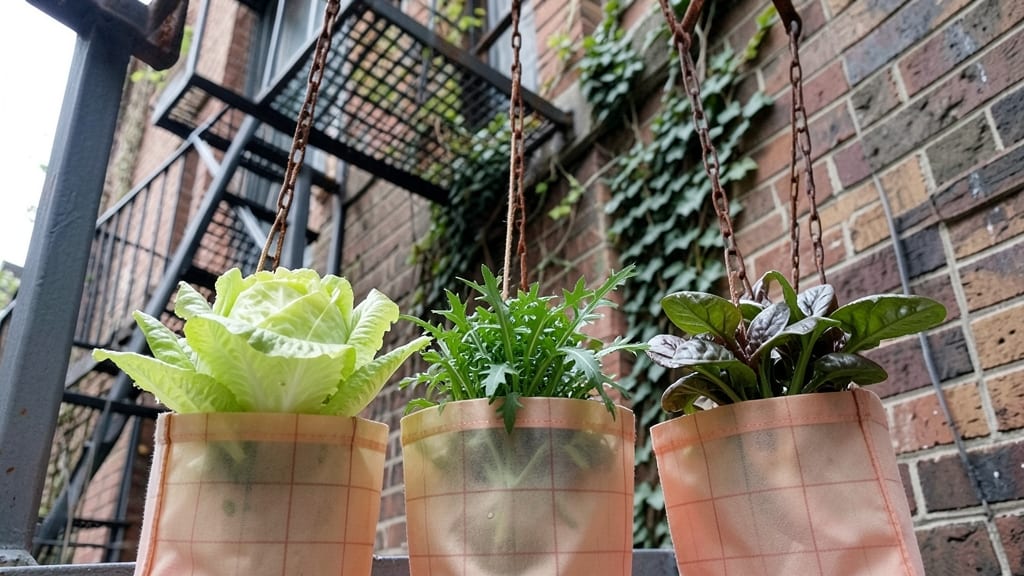
Shady balconies and north-facing patios don’t have to mean giving up on fresh salad greens. With the right hanging basket setup, you can grow crisp butter lettuce, peppery arugula, and nutrient-packed spinach—even in spots that get just 2-4 hours of indirect light a day.
Start with lightweight, breathable baskets (like macramé or coconut fiber) filled with a moisture-retentive potting mix enriched with compost. Place a reflective surface—like a white tray or mirror—below the baskets to bounce extra light onto the leaves. Water consistently to keep the soil damp, and harvest outer leaves first to encourage continuous growth. This method works especially well for Boston’s cool, shaded urban spaces where direct sun is scarce.
Perfect for renters, apartment dwellers, or anyone with limited sunlight, these baskets deliver fresh greens with minimal effort. You’ll enjoy homegrown salads year-round, even in the city’s shadiest corners. 🌿
Rain Barrel Irrigation for Drought-Resistant Plants
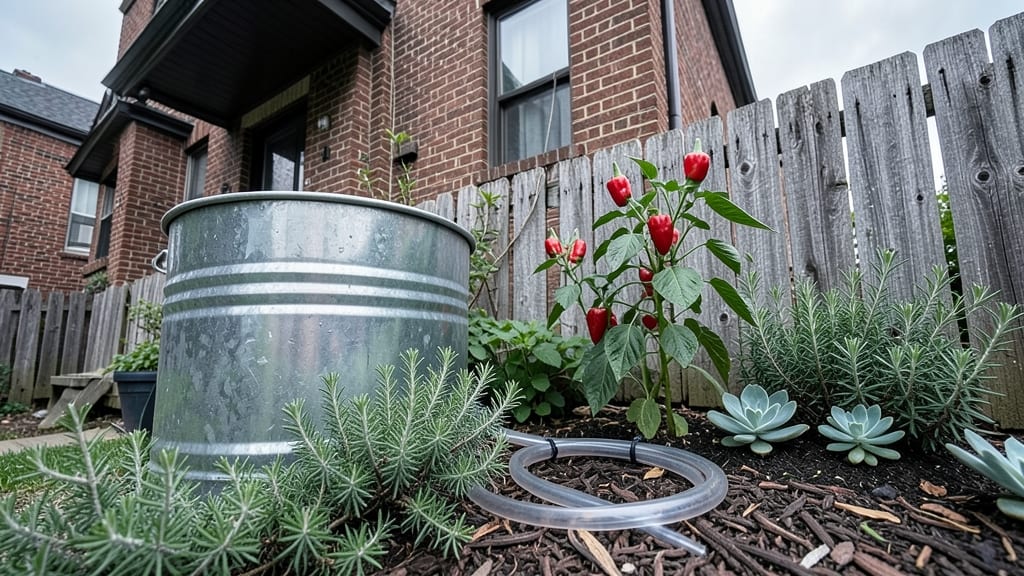
Boston’s frequent downpours can be a gardener’s secret weapon—if you harness them with a rain barrel irrigation system. This eco-friendly setup captures free rainwater to nurture drought-resistant plants like succulents, peppers, and rosemary, cutting your water bill while keeping your garden thriving during dry spells.
Start with a 55-gallon barrel placed under a downspout, fitted with a mesh screen to filter debris. Connect it to a simple gravity-fed hose or drip system for effortless watering. For best results, plant peppers and herbs near the barrel’s outlet to maximize efficiency, and add a mosquito fish to prevent standing water pests. This system works year-round in Boston’s climate, even during unpredictable summer droughts.
Perfect for urban gardeners with limited space or those looking to slash water costs, this method turns Boston’s rainy season into a self-sustaining water source for your victory garden. 💡
Edible Hedge Rows Along Sidewalks

Turn your sidewalk into a dual-purpose feature with edible hedges that provide both privacy and harvests. Instead of traditional shrubs, plant rows of blueberries, currants, and raspberries along the street—these berries thrive in Boston’s climate, offering shade, noise reduction, and fresh fruit within reach.
Start with dwarf varieties like ‘Top Hat’ blueberries or ‘Jostaberry’ (a black currant hybrid) for compact growth. Space plants 3–4 feet apart to allow airflow and future growth, and mulch heavily to retain moisture. These hedges produce fruit in 2–3 years, with minimal pruning needed beyond shaping in early spring.
Perfect for homeowners with narrow front yards or renters allowed to plant along sidewalks, this design maximizes every inch of urban space while adding beauty and bounty. 🌻