
Plants
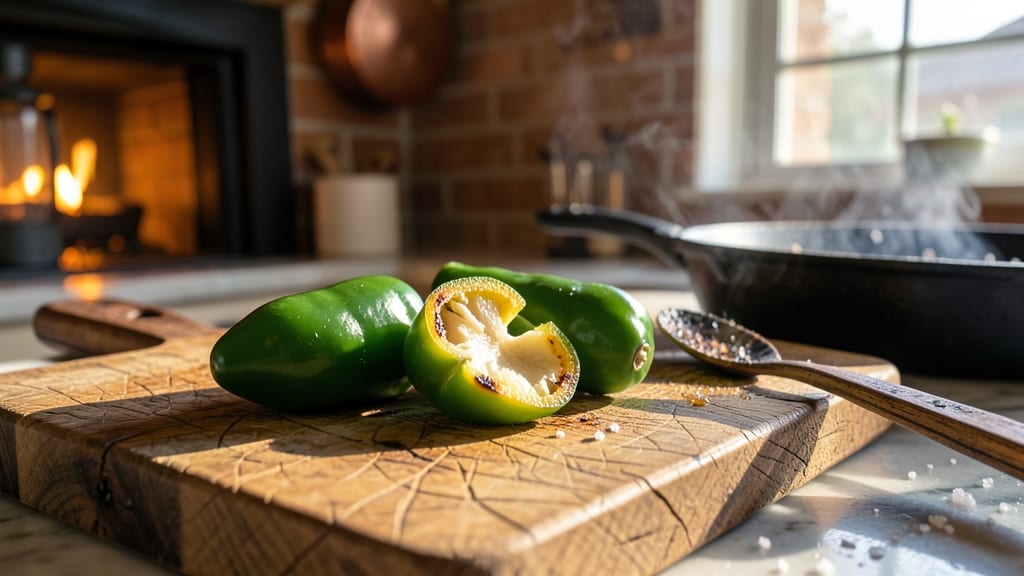
Growing peppers in your garden adds flavor, nutrition, and excitement—but not all varieties thrive in the same climate. These 10 garden peppers span mild to fiery heat levels, drought-resistant types, and cold-hardy options to help you succeed whether you live in a sweltering desert or a cool coastal region.
Bell Peppers for Sweet Crunch
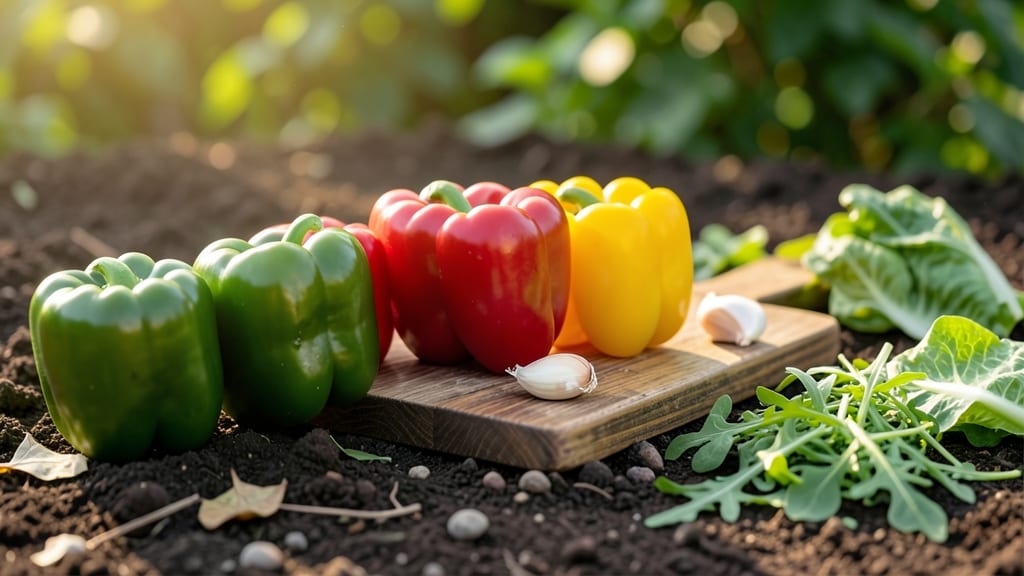
If you’ve ever dreamed of growing peppers but worried about heat levels or fussy care, bell peppers are your perfect gateway. These zero-heat varieties deliver sweet, crunchy flavor without the spice, making them ideal for salads, stuffing, or roasting—no gloves required!
Bell peppers thrive in full sun (6–8 hours daily) but adapt to containers or raised beds, even in cooler zones. Choose from classic red, yellow, or green varieties, and expect high yields—each plant can produce 10–20 peppers per season. For best results, fertilize with compost and keep soil consistently moist (but not soggy).
Whether you’re a city balcony gardener or a backyard beginner, bell peppers reward effort with year-round harvests when planted at the right time. Their versatility makes them a must-try for any garden. 🌻
Jalapeños for Versatile Heat
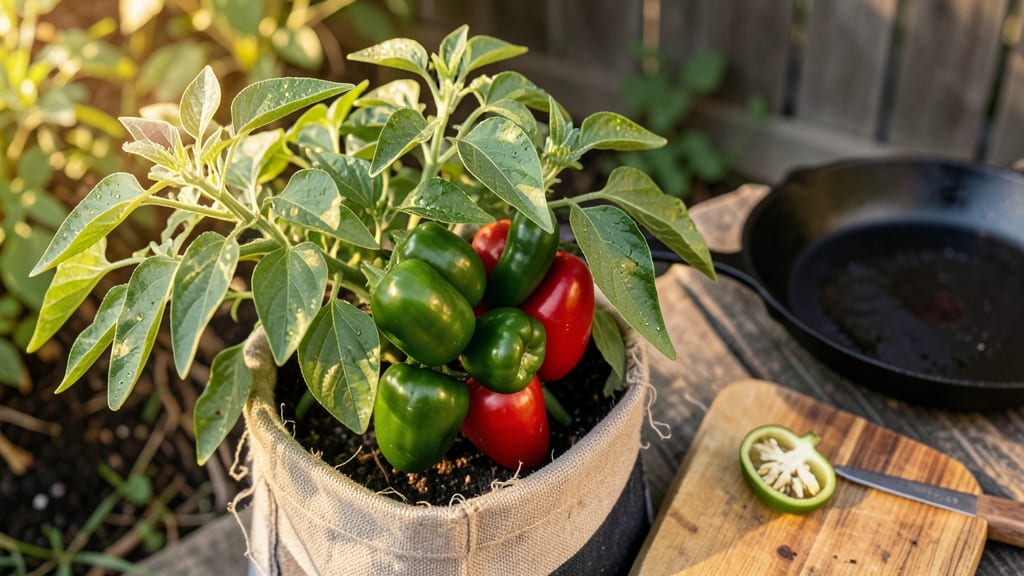
Need a pepper that delivers moderate heat without overwhelming your dishes? Jalapeños are the perfect bridge between sweet and fiery flavors, with a 2,500–8,000 SHU kick that works in everything from salsas to grilled meats.
These bushy plants thrive in warm climates but adapt beautifully to 5-gallon containers, making them ideal for patios or balconies in cooler zones. Start seeds indoors 8–10 weeks before your last frost, or transplant young plants after soil warms to 60°F+. Prune suckers to focus energy on fruit production, and harvest regularly to encourage more peppers.
Urban gardeners and small-space growers will love how jalapeños deliver high yields with minimal fuss—just watch for pests like aphids or hornworms. Their versatility in the kitchen makes them a must-have for any pepper enthusiast. 🌻
Cayenne Peppers for Spice Lovers
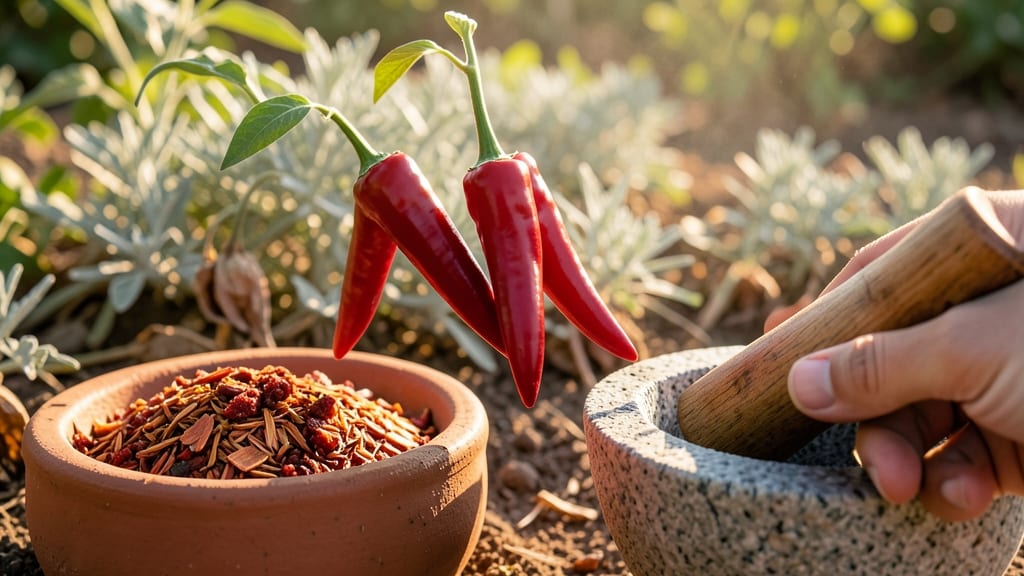
If you crave intense heat but want a pepper that won’t wilt during summer droughts, cayenne peppers are your perfect match. These slender, fiery beauties pack 30,000–50,000 SHU—enough to turn up the heat in sauces, hot peppers, or dried blends—while surprising you with their drought tolerance once established.
Start seeds indoors 8–10 weeks before your last frost, then transplant to full sun (6+ hours daily) in well-draining soil. Once rooted, cayennes thrive with minimal watering, making them ideal for Southern gardens or urban containers. Prune lower leaves to prevent soil-borne diseases, and harvest peppers when they reach 3–5 inches long for maximum potency.
Urban gardeners and Southern growers will love how cayennes deliver bold flavor with low fuss. Their compact size also makes them perfect for small-space growing—just be ready for the heat! 🌻
Poblano Peppers for Stuffing
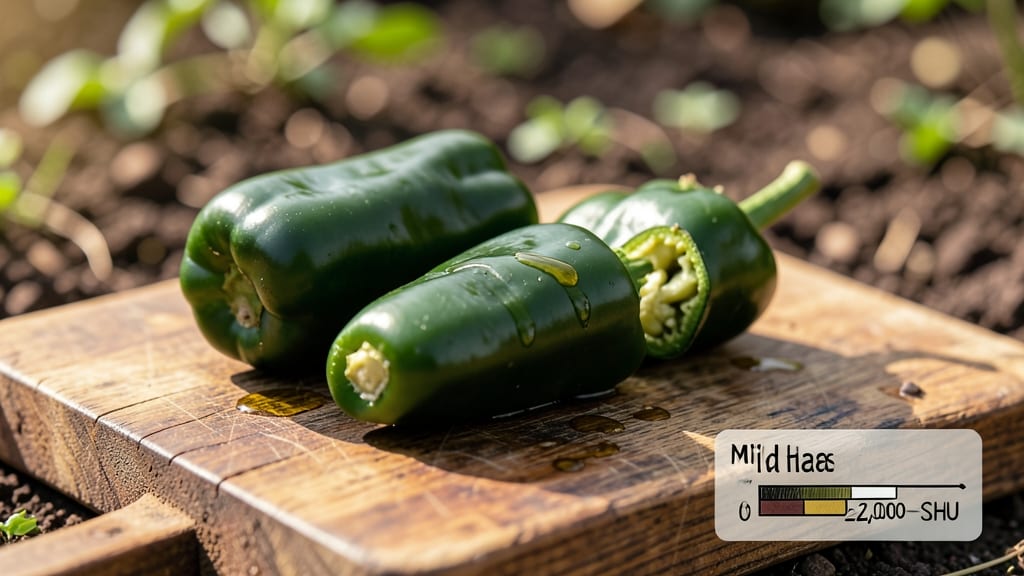
If you love the idea of growing peppers but want something with just a hint of warmth—poblano peppers are your perfect match. These dark green, thick-walled peppers pack a mild kick (1,000–2,000 SHU) while delivering the ideal texture for stuffing, roasting, or blending into sauces.
They thrive in warm, dry climates like the Mediterranean but can handle partial shade, making them versatile for gardeners in regions with hot afternoons or cooler mornings. Plant them in well-draining soil, and they’ll reward you with bold, earthy flavor—perfect for chiles rellenos or grilled dishes.
This variety is a must-try for gardeners who want authentic Mexican-inspired flavors without the intense heat of other peppers. 🌻
Habanero Peppers for Extreme Heat
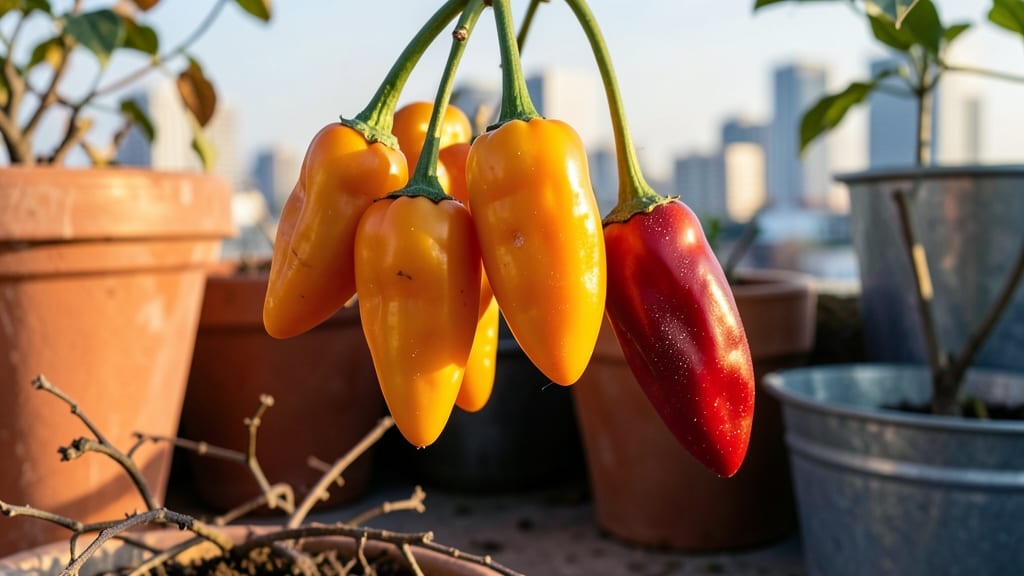
Ready to push your heat tolerance to the limit? Habanero peppers pack a punch with 100,000–350,000 SHU, but their tropical roots mean they’re surprisingly delicate—frost will kill them in minutes. This makes them perfect for urban gardeners or those in warm climates who can grow them in containers for easy mobility.
Plant in well-draining soil with full sun (6–8 hours daily) and keep soil consistently moist but not soggy. The secret to milder flavor? Harvest when peppers are small and green—they’ll ripen to fiery orange but lose heat if picked early. For extra protection, bring pots indoors before temperatures dip below 50°F.
If you love bold flavors and heat, habaneros are your go-to for sauces, hot sauces, or salsas—but wear gloves! Their bright orange color and compact size make them a showstopper in any garden. 🌻
Banana Peppers for Pickling
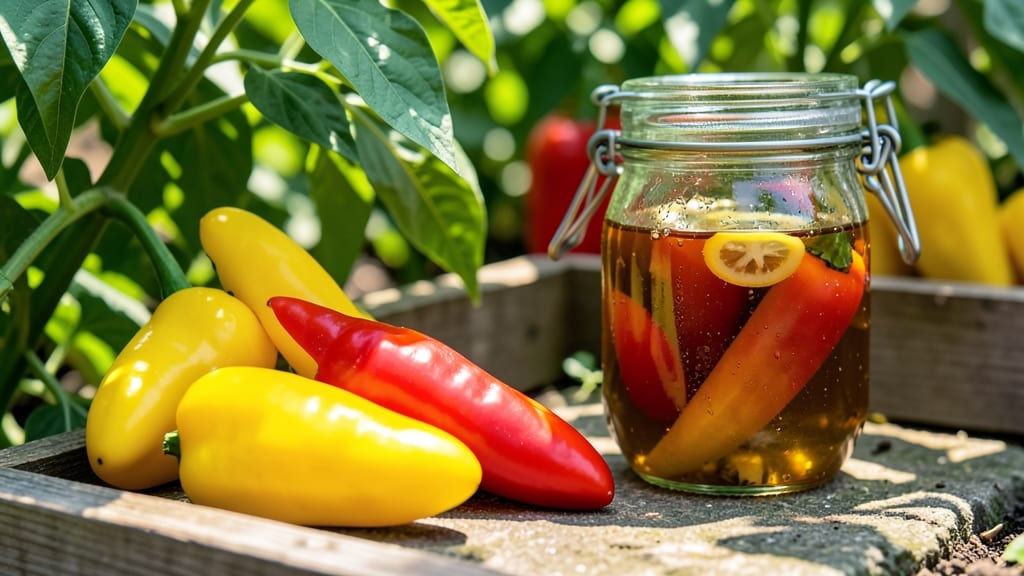
If you love the tangy crunch of pickled peppers but want a milder kick, banana peppers are your secret weapon. These cheerful, curved peppers pack just 100–500 SHU of heat—perfect for pickling jars or fresh snacking. Their bright yellow or red hues add a pop of color to any garden bed.
What makes them stand out is their cold-hardy nature, letting you plant them as early as late winter in cooler zones like the Pacific Northwest. They thrive in full sun to partial shade and produce prolific harvests with minimal fuss. For best results, space plants 18 inches apart and keep soil consistently moist but well-drained.
Gardeners in short-season climates or those who love year-round pickling will adore these peppers—they store well and keep producing well into fall. 🌻
Shishito Peppers for Grilling
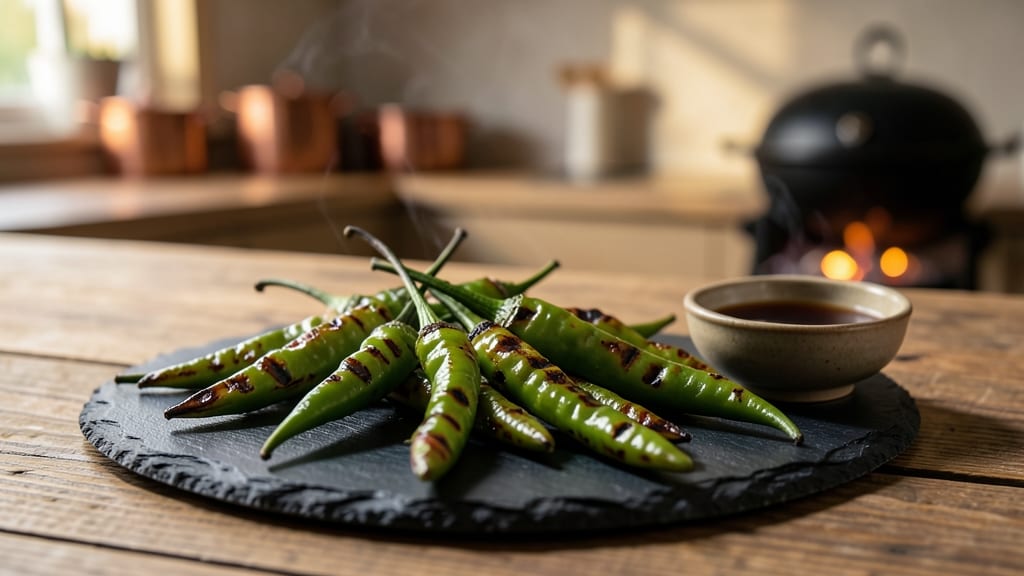
If you love the smoky, charred flavor of grilled peppers but want a mild surprise in every bite, shishito peppers are your secret weapon. With a 100–500 SHU heat level, these slender green peppers deliver 90% sweetness—perfect for quick grilling or dipping in soy sauce. Their thin skin caramelizes beautifully on the grill, making them a crowd-pleaser for summer gatherings.
Plant them in full sun (6–8 hours daily) and well-draining soil, but don’t worry if you’re in a cooler zone. Use row covers to extend the season or grow them in containers for urban balconies. Harvest when 4–6 inches long for peak flavor, and expect a prolific harvest from each plant. Their compact size also makes them ideal for small gardens or vertical growing.
Shishito peppers are the ultimate grilling companion—great for beginners or experienced gardeners who love interactive dishes. Plus, their versatile heat lets you experiment with flavors without overwhelming spice. 🌻
Ghost Peppers for Adventurous Growers
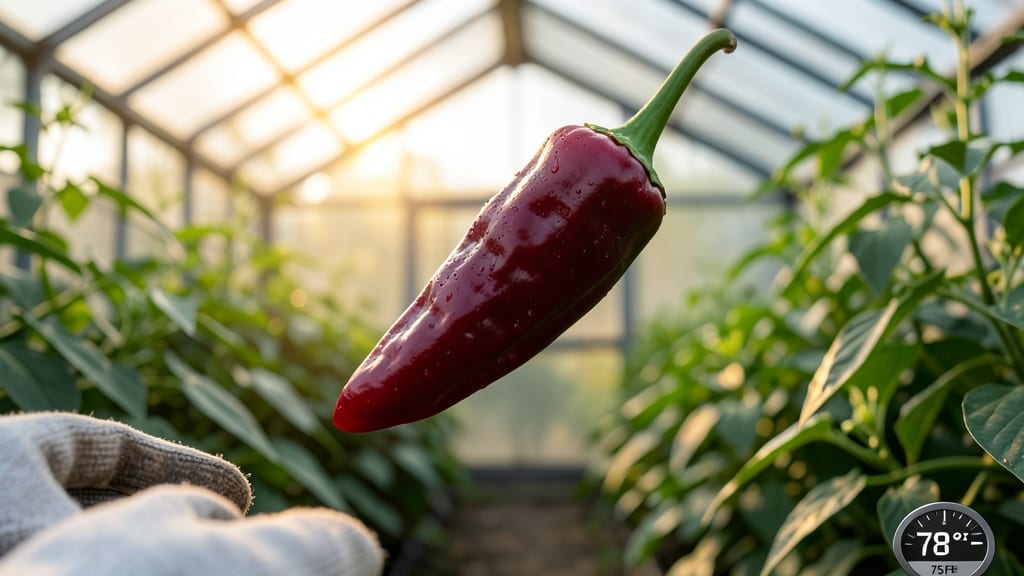
If you're ready to test your gardening mettle, ghost peppers (Bhut Jolokia) deliver a fiery challenge with 800,000–1,041,427 SHU—enough to send even seasoned growers reaching for gloves. These deep red peppers thrive only in consistent heat (75°F+) and high humidity, making them a greenhouse or tropical-zone specialty.
Plant seeds in well-draining, nutrient-rich soil after all frost risk has passed, spacing them 18–24 inches apart for airflow. Keep soil moist but not soggy, and fertilize weekly with a balanced formula once flowers appear. Prune aggressively to focus energy on fruit production—these plants reward patience with bold, wrinkled peppers packed with capsaicin.
This isn’t a pepper for the faint-hearted: experienced gardeners in zones 10–12 or greenhouse setups will find their niche here. Just remember—never touch fresh peppers without gloves, and save the harvest for hot sauces or extreme spice challenges! ✨
Cherry Peppers for Snacking
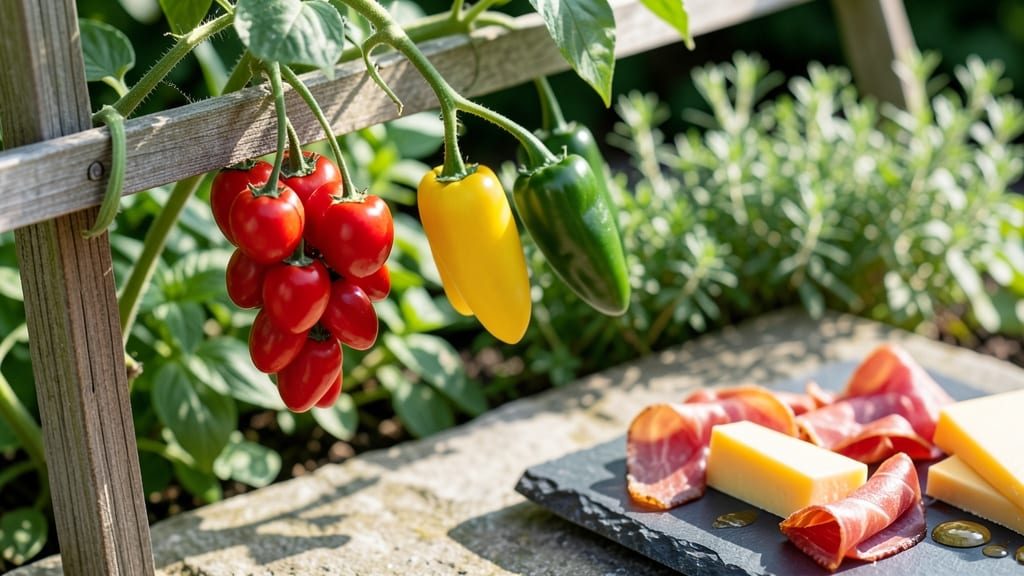
If you’ve ever wanted a pepper so sweet and crunchy it could double as a snack, cherry peppers are your answer. These tiny, vibrant peppers (0–5,000 SHU) burst with flavor without the heat, making them perfect for munching straight from the vine or adding a pop of color to charcuterie boards.
Compact plants top out at just 2–3 feet tall, making them ideal for small spaces like balconies, windowsills, or even hanging baskets. They thrive in full sun (6–8 hours daily) and well-draining soil, producing clusters of bite-sized peppers in shades of red, yellow, or orange. For best results, pinch off early flowers to encourage bushier growth and more harvests.
Urban gardeners and apartment dwellers will love how these peppers fit into tight spaces while still delivering a year-round harvest with proper care. 🌻
Anaheim Peppers for Roasting

If you love the smoky depth of roasted peppers but want a mild to medium heat that won’t overwhelm your dishes, Anaheim peppers are your secret weapon. Their thick, meaty flesh holds up perfectly to charring, making them a staple for stuffing or grilling—think New Mexico-style chiles rellenos or smoky salsa verde.
What sets them apart is their cold tolerance: you can plant them 4–6 weeks before your last frost, giving you an early harvest in Northern climates. In warmer zones, they thrive in dry, sunny conditions with minimal fuss—just ensure well-draining soil and consistent watering during fruit development. Their 500–5,000 SHU range means they’re versatile enough for family-friendly meals yet bold enough for spice lovers.
Perfect for gardeners who want year-round growing flexibility—whether you’re in the Pacific Northwest or the Southwest—these peppers deliver reliable yields and a flavor that’s both sweet and slightly tangy. 🌻