
Pests
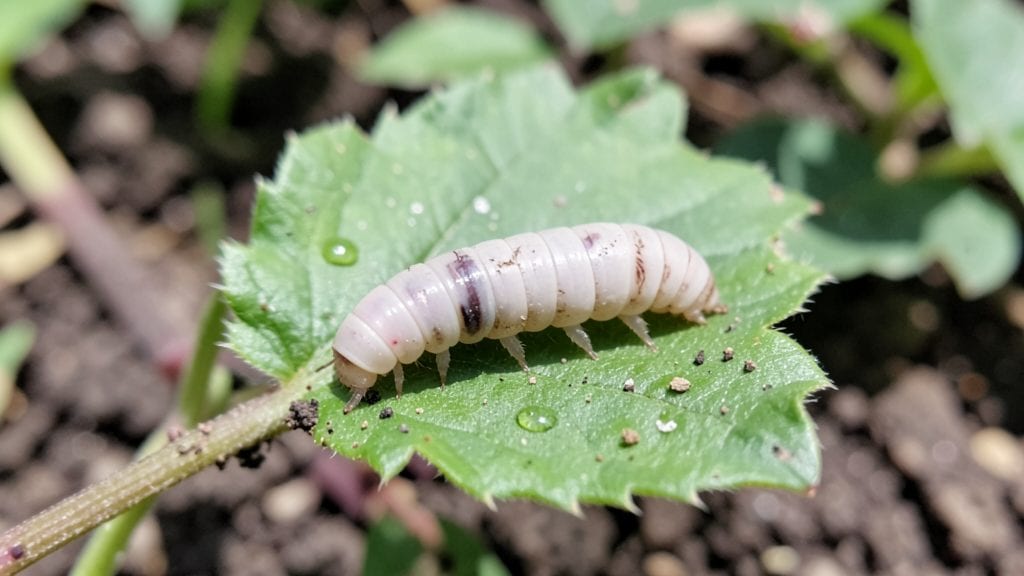
Mastering garden grubs identification early can spare your plants from a season of silent destruction—those telltale white, C-shaped larvae feast on roots, leaving wilting seedlings and hollow stems behind before you spot them. 🌱 The key is learning their telltale signs: silky webbing around stems (cutworms), small holes in leaves (wireworms), or grubs wriggling when you turn the soil.
Most grubs hide just below the surface, so dig around struggling plants or check under mulch where they overwinter. Japanese beetle larvae, for example, live in the top 2-3 inches of soil, while wireworms burrow deeper.
Look for chewed roots, yellowing leaves, or plants that topple over like they've been cut—classic grub damage that's often mistaken for drought stress.
Once you spot them, you can act fast with organic controls like neem oil, milky spore for Japanese beetle larvae, or encouraging predators like birds and toads. Prevention is even easier: rotate crops, remove thatch, and apply beneficial nematodes in early spring.
The sooner you catch them, the less cleanup you'll have to do later.
This isn't just about saving your plants—it's about reclaiming your garden's health without harsh chemicals. With the right approach, you can outsmart these pests before they become a full-blown infestation. Let's get those grubs identified and under control for good.
Root Causes Of Grub Infestations
Grubs—those squirming, C-shaped larvae—don’t just appear out of nowhere. Their presence in your garden is the result of a mix of environmental factors, plant choices, and even human habits.
Understanding these triggers is the first step to preventing future damage. Let’s dig into the science behind why your soil might be turning into a grub buffet.
Grubs thrive in moist conditions, and overwatering creates the perfect nursery for them. Here’s why:
- Oxygen Deprivation: Excess water displaces air in the soil, forcing grubs to burrow deeper in search of oxygen. This makes them harder to spot but doesn’t stop their appetite for roots. - Fungal Growth: Damp soil encourages fungi, which grubs eat.
This creates a feedback loop—more fungi = more grubs = more root damage. - Root Stress: Overwatering weakens plant roots, making them easier targets for grub feeding. A stressed plant is like a neon sign for pests.
Actionable Fix: Water deeply but infrequently (1–1.5 inches per week), and improve drainage with organic matter like compost or sand.
Grubs love soft, easy-to-tunnel soil. Compacted or poorly drained soil traps moisture and makes it harder for plants to resist them.
- Root Smothering: Compacted soil restricts root growth, leaving plants vulnerable. Grubs detect stressed roots and go to work. - Stagnant Water: Poor drainage leads to soggy patches where grubs multiply unchecked.
Think of it as a pest paradise. - Lack of Beneficial Microbes: Healthy soil teems with bacteria and fungi that naturally suppress grub populations. Compacted soil stifles these helpers.
Actionable Fix: Aerate your soil with a garden fork or core aerator, and mix in organic mulch to improve structure.
Not all plants are equally tempting to grubs. Some, like lawn grasses and young trees, are all-you-can-eat buffets.
- Grass Roots: Grubs evolved to feed on grass roots, making lawns prime real estate.
Turfgrasses like Kentucky bluegrass and fescue are high-risk. - Shallow Root Systems: Plants with shallow roots (like many ornamentals) offer easy access for grubs, while deep-rooted species (e.g., oaks) are less appealing. - Newly Planted Specimens: Young plants have tender roots, making them irresistible snacks for hungry larvae.
Actionable Fix: Choose grub-resistant plants like clover, yarrow, or native grasses. For high-risk plants, use protective barriers or natural repellents.
Grubs don’t hatch from nowhere—they come from eggs laid by adult beetles. If you’re seeing grubs, you’ve likely missed the beetle phase.
- Nighttime Visitors: Many grub parents (like Japanese beetles or June bugs) lay eggs in late summer. They’re active at dusk, making them easy to overlook. - Beetle Preferences: Adults target healthy, lush plants to lay eggs near.
A thriving garden is an open invitation. - Seasonal Timing: Eggs hatch in 10–14 days, turning into grubs that feed for months before pupating. By the time you notice damage, it’s often too late to stop the cycle.
Actionable Fix: Handpick adult beetles at night (use a flashlight!) or apply organic sprays like neem oil to deter them.
Grubs are cold-blooded—they’re most active when soil temperatures hover between 60–85°F (15–29°C).
- Spring & Fall Peaks: Grubs feed aggressively in warm seasons but slow down in extreme heat or cold.
This is why damage often spikes in late summer. - Microclimates Matter: South-facing slopes or mulched beds stay warmer longer, creating ideal grub habitats. - Organic Matter Boost: Decomposing leaves or compost raise soil temps, accelerating grub growth.
Actionable Fix: Monitor soil temps with a probe and avoid over-mulching in hot climates. Rotate crops to disrupt grub life cycles.
A balanced ecosystem keeps grub populations in check. When predators disappear, grubs take over.
- Birds & Toads: These creatures feast on grubs but need open soil to hunt.
Compacted lawns leave them no access. - Ground Beetles & Spiders: They prey on grub eggs and young larvae but struggle in chemical-heavy gardens. - Parasitic Nematodes: Microscopic worms that infect grubs naturally—until pesticides wipe them out.
Actionable Fix: Encourage predators by reducing synthetic pesticides, leaving leaf litter for shelter, and planting native wildflowers.
Sometimes, well-meaning gardening practices backfire.
- Over-Fertilizing: Excess nitrogen makes grass grow fast, which grubs love to munch.
It’s like feeding them a growth spurt. - Heavy Foot Traffic: Compacted soil from walking or mowing stresses plants, making them easier grub targets. - Ignoring Early Signs: Brown patches or wilting plants are red flags, but many gardeners wait until damage is severe to act.
Actionable Fix: Test soil for nutrients, fertilize moderately, and inspect lawns regularly for early signs of grub activity.
Fixing Garden Grub Damage
Now that you’ve identified the culprits—whether they’re Japanese beetle larvae, cutworms, or other soil-dwelling grubs—it’s time to take action. The good news? Most grub problems can be tackled with a mix of targeted treatments, natural remedies, and smart prevention.
Below, we’ll break down solutions based on the type of grub and the severity of damage, so you can restore your garden to its thriving self without breaking the bank or the environment.
Japanese beetle grubs are the most destructive, feasting on grass roots and garden plants. Here’s how to evict them for good:
🍳 Chemical Control (Short-Term Fix)
- Apply grub-specific insecticides like imidacloprid (Merit) or trichlorfon (Dylox) in early fall (before grubs mature) or late summer (when they’re near the surface).
- Water the soil after application to help the chemical reach the grubs.
- ⚠️ Warning: Use sparingly—overuse can harm beneficial insects and soil microbes.
👨🍳 Organic & Natural Solutions
- Milky spore powder (Bacillus popilliae): A long-term, organic solution that infects and kills grubs. Sprinkle it on lawns in early fall—results take 1-2 years but can last decades.
- Nematodes (beneficial): Microscopic Heterorhabditis bacteriophora nematodes hunt grubs.
Apply them in early morning or evening when soil is moist (follow package instructions). - Handpick & dispose: In small gardens, dig up infested areas in late summer/early fall, collect grubs, and drown them in soapy water.
🌱 Prevention for Next Season
- Aerate compacted soil to expose grubs to predators (birds, toads).
- Plant resistant grasses like tall fescue or fine fescue—Japanese beetles prefer Kentucky bluegrass.
- Encourage natural predators: Leave some grassy areas for birds and moles (they eat grubs!).
Cutworms and black cutworms chew through stems at ground level, while southern root-knot worms attack roots. These pests are easier to spot—and remove—because they’re often visible at night or after rain.
🔪 Physical Removal (Best for Small Gardens)
- Set up beer traps: Bury a plastic cup (rim flush with soil) filled with beer.
Cutworms crawl in and drown—check traps daily at dusk. - Garden collars: Wrap cardboard or aluminum foil around young plants to block cutworms from climbing up. - Handpick at night: Use a flashlight after dark—cutworms curl up when disturbed. Drop them in soapy water.
🌡️ Soil Treatments for Root Feeders
- Beneficial nematodes (Steinernema carpocapsae) work well for cutworms and root-knot worms.
Apply in early evening when soil is warm and moist. - Diatomaceous earth (food-grade): Sprinkle around plants—it dehydrates grubs on contact. Reapply after rain. - Neem oil spray: While not a grub killer, it deters adult moths from laying eggs.
🎯 Prevention Tips
- Remove garden debris (where cutworm pupae hide).
- Rotate crops to disrupt life cycles.
- Use row covers for young plants to block egg-laying moths.
No matter the grub type, healthy soil = fewer pests. Here’s how to strengthen your garden’s defenses:
| Problem | Solution | When to Do It |
|---|---|---|
| Compacted soil | Aerate + top with compost | Early fall or spring |
| Overwatered lawn/garden | Reduce irrigation, improve drainage | Year-round adjustment |
| Lack of predators | Attract birds, toads, ground beetles | Plant native flowers, leave leaf litter |
| Weak plants | Boost with compost/fertilizer | Spring or after harvest |
🌿 Pro Tips for Long-Term Grub Resistance
- Plant deep-rooted crops (carrots, parsnips) that outcompete grubs for food.
- Interplant with marigolds or garlic—some repel grub-attracting pests.
- Test your soil pH—grubs thrive in slightly acidic to neutral soil (6.0-7.0).
Adjust with lime or sulfur if needed.
- Japanese beetle grubs: Treat in late summer (when they’re near the surface) or early fall (before they pupate).
- Cutworms: Monitor May-June (peak egg-laying season) and July-August (larval stage).
- Prevention: Start early spring with soil amendments and fall with nematode applications.
Final Thought: Grubs are a manageable problem—don’t let them stress you out! Start with one or two methods that fit your garden size and preferences. Over time, a combination of organic controls, soil health, and vigilance will keep your plants grub-free and flourishing. 🌱🚫🐜
Frequently asked questions
What do garden grubs look like up close?
Most garden grubs are creamy white or tan with a C-shaped body and six tiny legs. Japanese beetle larvae have a brown head, while cutworms are smooth and hairless. Wireworms (click beetle larvae) are slender, yellowish-brown, and can grow up to 1.5 inches long. Check under mulch or dig 2-3 inches deep near damaged roots to spot them.
How can I tell if my plants are being eaten by grubs?
Look for yellowing leaves, wilted seedlings, or plants that topple over like they’ve been cut at the base. Dig up roots—healthy roots should be white; grub damage shows as chewed or hollow roots. Brown patches in lawns (especially in late summer) are another classic sign of Japanese beetle larvae.
Are all grubs harmful to my garden?
Not all! Some grubs, like earthworm larvae or beetle larvae from beneficial insects, actually help aerate soil. The destructive ones—Japanese beetle grubs, cutworms, and wireworms—target roots and stems. Focus on identifying the type of damage (roots vs. stems) to determine if intervention is needed.
What’s the best time of day to find grubs in my garden?
Early morning or evening when soil is damp is ideal. Cutworms are most active at dusk, while Japanese beetle grubs are easiest to spot after rain when they’re near the surface. Avoid searching during dry spells—they’ll burrow deeper to conserve moisture.
Can I use coffee grounds to repel grubs?
Coffee grounds can help short-term by improving soil structure, but they’re not a direct grub repellent. For better results, mix in neem cake (a natural insect deterrent) or apply beneficial nematodes. The best prevention is maintaining healthy soil and encouraging natural predators like birds and toads.