
Size
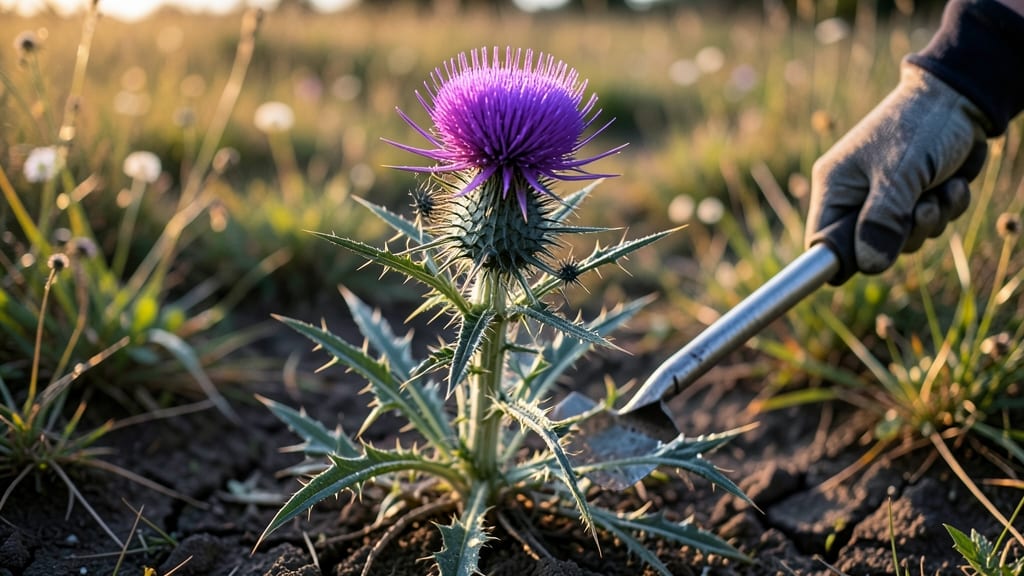
Tall garden weeds can quickly overtake your yard and steal nutrients from your plants. These 10 aggressive weeds—ranked by growth speed and persistence—come with soil-safe removal methods that keep your garden thriving without toxic chemicals or tilling.
Giant Hogweed: Dangerous Tall Weed Identification
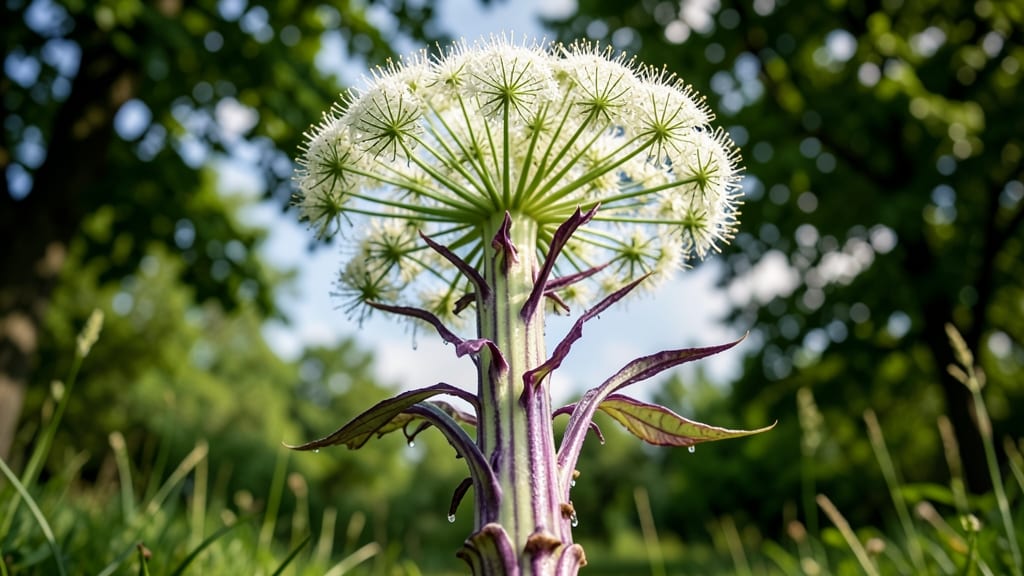
If you’ve ever spotted a 10-foot-tall plant with purple-streaked stems and massive white flower clusters, you might be looking at giant hogweed—the most dangerous weed in your garden. Its sap contains phototoxic compounds that cause severe burns when exposed to sunlight, so identification is your first line of defense.
This invasive biennial thrives in moist, disturbed soils and spreads rapidly along riverbanks and garden edges. Look for horseshoe-shaped leaves (3-5 feet wide) and hollow stems with purple blotches. Never touch it—even broken stems release sap that can blister skin within 48 hours. Removal requires long sleeves, gloves, and goggles, followed by immediate disposal in sealed trash bags.
Gardeners with established patches should prioritize this weed—its aggressive root system can regrow from fragments. For experienced hands, digging in early spring (before flowering) with proper precautions is the safest approach. 💡
Japanese Knotweed: Fastest Growing Invasive Weed
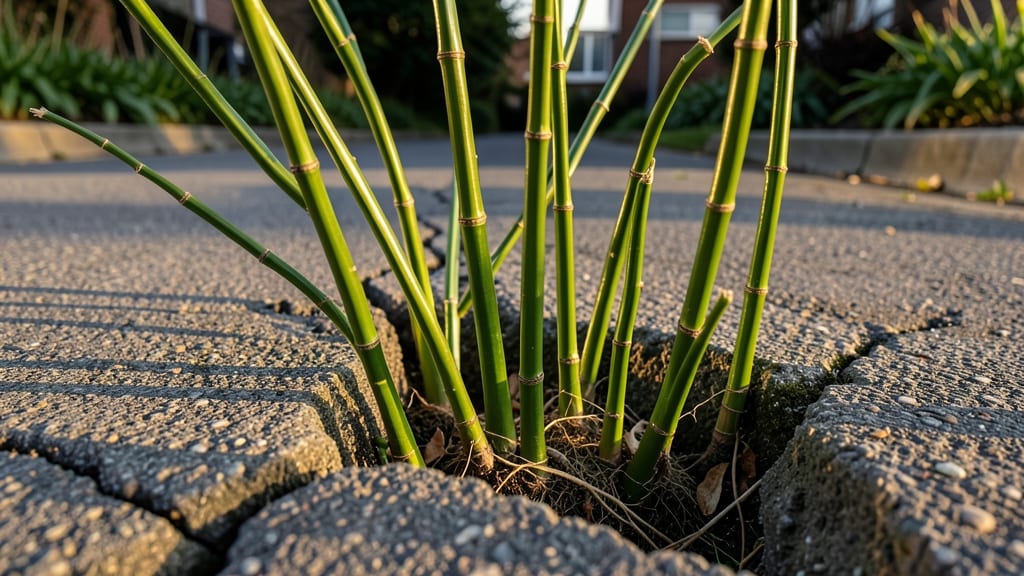
If you’ve ever spotted bamboo-like stems popping up overnight in your sidewalk cracks or urban garden beds, you’re likely dealing with Japanese knotweed—the fastest-growing invasive weed on the planet. This aggressive plant can shoot up 3+ inches per day, making it a nightmare for city dwellers and non-gardeners alike.
Unlike other weeds, knotweed thrives in disturbed soil, concrete crevices, and even pavement. For removal, skip the shovel—vinegar-based herbicides (20-30% acetic acid) are the most effective for non-gardeners, as they kill the plant without harming surrounding soil. Apply on a dry, sunny day for best results, and repeat as needed since roots can regrow.
Urban gardeners and homeowners with limited green space will appreciate this solution, as it targets knotweed’s stubborn nature while keeping your landscape intact. 💪
Canada Thistle: Spiky Purple Weed Control Tips
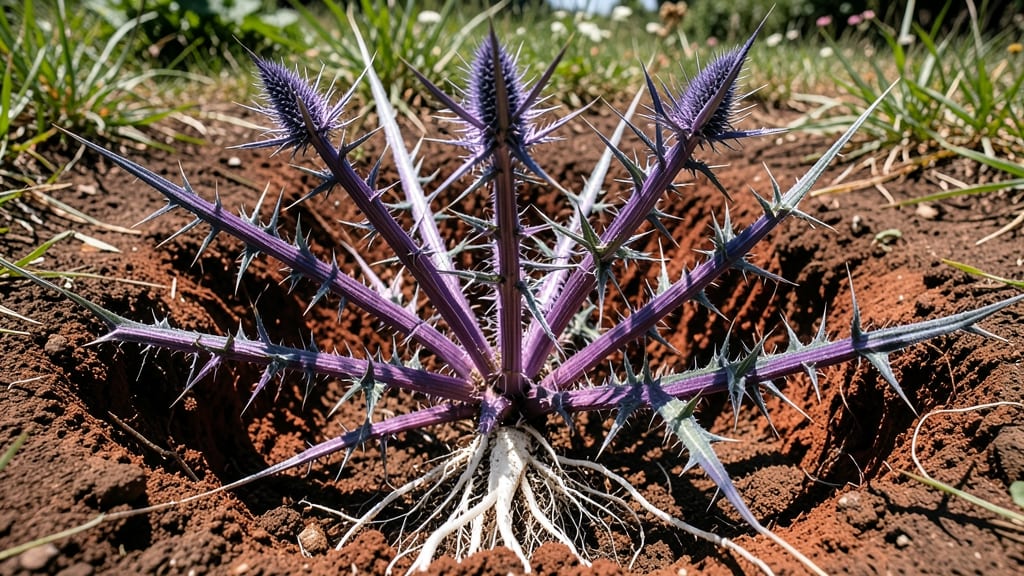
If you’ve ever wrestled with a purple-spiked invader that seems to bounce back no matter how hard you pull, you’re likely dealing with Canada thistle. Unlike other weeds, its deep taproot system can stretch up to 10 feet underground—making traditional digging tools useless. The key to organic control lies in smothering its sunlight before it resets.
Start by covering the area with thick cardboard or landscape fabric before adding 6+ inches of mulch (straw or wood chips work best). For stubborn patches, use a dandelion digger or weed wrench to extract roots in early spring when soil is moist. Avoid tilling—it fragments roots and spreads the problem. Repeat treatments for 2-3 seasons to starve the roots completely.
This method is ideal for organic gardeners who refuse to use herbicides but still need to reclaim their beds. With patience, you’ll break its cycle without harming the soil or your plants. 💪
Mullein Weed: Tall Yellow Flowers Removal Guide
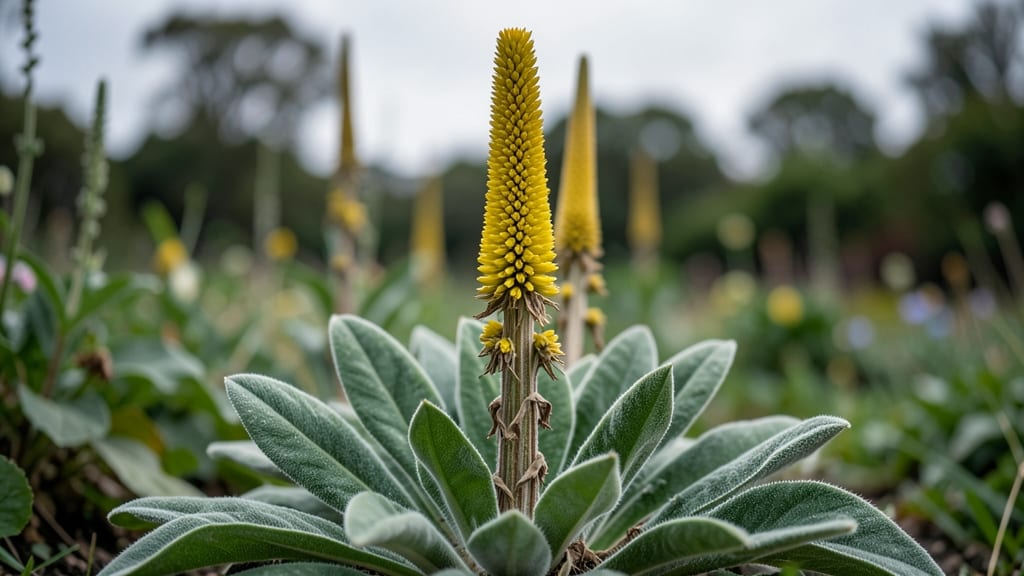
That towering mullein weed with its golden-yellow flower spikes might look like a charming wildflower, but it’s actually a persistent weed that can dominate your garden’s appearance. Unlike aggressive invaders, mullein spreads slowly but forms dense clumps that compete with your prized plants for sunlight and water.
For gardeners who prioritize a polished look over complete eradication, targeted herbicide sprays (like glyphosate or triclopyr) applied directly to the foliage are the most effective method. Apply on a dry, wind-free day to prevent drift onto desirable plants, and repeat every 2-3 weeks until the weed yellows and dies. For organic approaches, hand-pulling works best in early spring before the plant establishes deep roots.
This method is ideal for gardeners who want to maintain a tidy landscape without resorting to heavy-duty invasive weed tactics. Just be patient—mullein’s deep taproot means it may take a few seasons to fully disappear. 🌻
Teasel Weed: Spiky Purple Stems Eradication
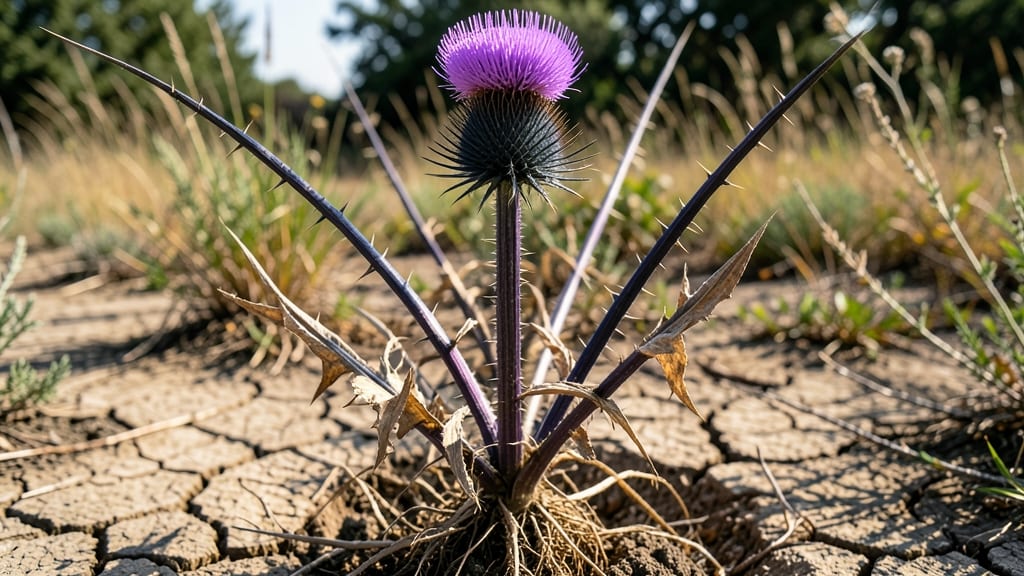
If you’re balancing wildlife conservation with weed control, teasel weed (Dipsacus fullonum) offers a unique challenge—and opportunity. Its striking spiky purple stems and drought tolerance make it a permaculture garden’s double-edged sword: while it thrives in dry conditions, it also attracts birds that rely on its seed heads for food.
For selective removal, target plants before seed formation (late summer) using a sharp spade to cut roots at the base—this minimizes disturbance to surrounding soil. Leave a few mature stems in wildlife corridors to support finches and goldfinches, which adore the seeds. In high-traffic garden beds, smother emerging shoots with cardboard mulch to block sunlight without chemicals.
This approach is perfect for permaculture practitioners and native plant enthusiasts who want to reduce spread while maintaining ecological value. Your garden can stay tidy and bird-friendly! 🌿
Cow Parsnip: Giant White Flowered Weed
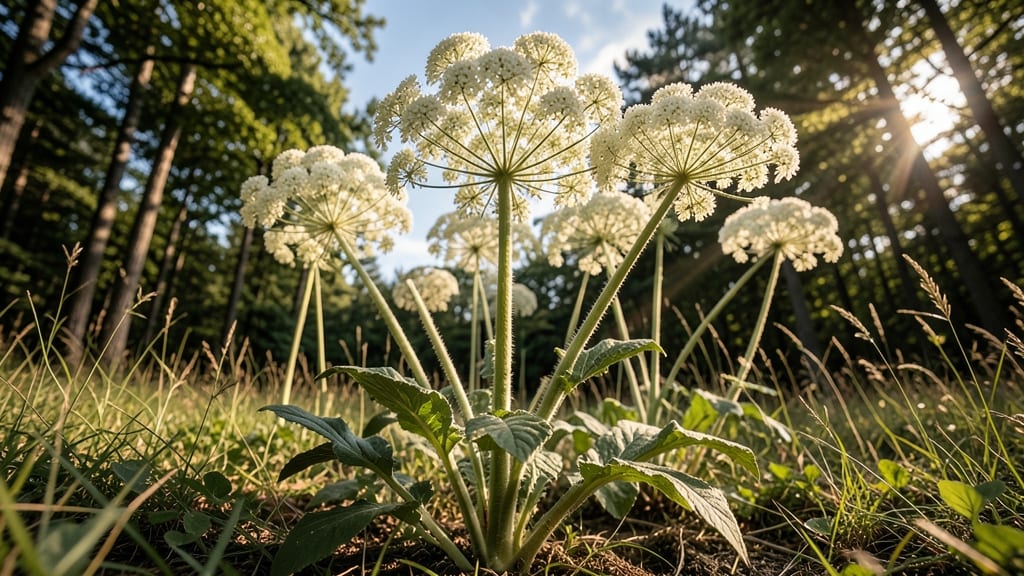
If your garden is suddenly dominated by towering white flower clusters reaching 6-10 feet tall, you’re likely dealing with cow parsnip—a harmless but visually overwhelming weed that thrives in open spaces. Unlike its dangerous cousins, this plant won’t burn your skin, but its sheer size can make your yard look untamed within weeks.
For large, open areas, sheet mulching is the most effective solution—cover the entire patch with cardboard or thick layers of newspaper, then top with 6+ inches of wood chips or straw. This smothers the weed while improving soil fertility over time. Since cow parsnip spreads via seeds, act before it goes to flower in late summer to prevent reseeding.
This method is perfect for gardeners with limited time or energy who want to reclaim open spaces without chemicals. The result? A weed-free area that slowly transforms into nutrient-rich soil. 🌻
Milkweed: Tall Orange Flowers for Pollinators
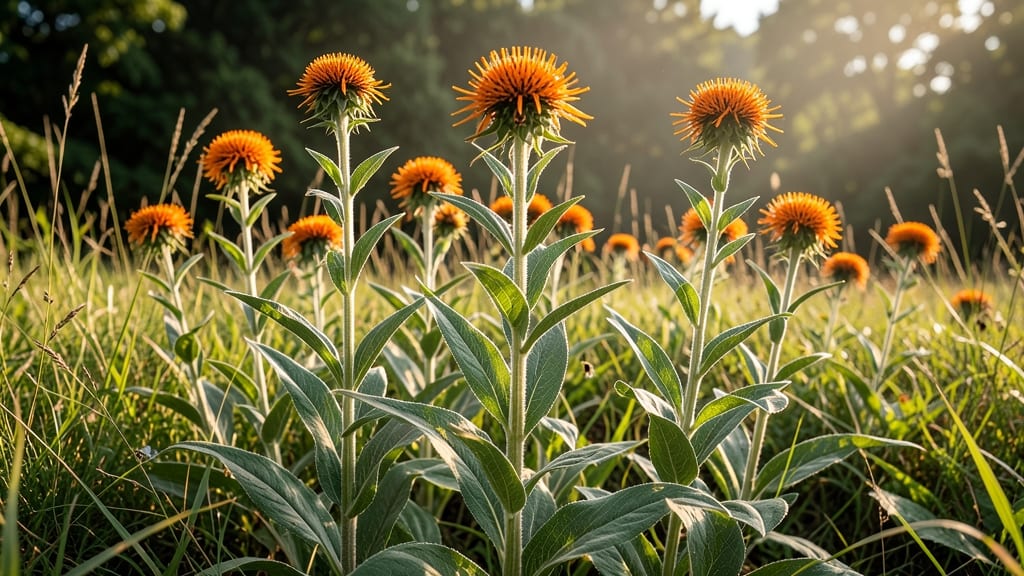
If you spot tall, bright orange flowers swaying in your garden, it might be milkweed—a plant that’s both a pollinator magnet and a potential space hog. This native beauty is the sole host for monarch butterfly caterpillars, making it essential for conservation efforts, but its aggressive spread can crowd out vegetables if left unchecked.
To manage milkweed strategically, focus on selective removal in vegetable beds while leaving clusters in wildflower areas or dedicated pollinator patches. Use a sharp spade to dig out roots in early spring before flowering, or apply vinegar-based herbicide (20% acetic acid) directly to stems for organic control. Always wear gloves—milkweed sap can irritate sensitive skin.
Gardeners with pollinator-friendly spaces should embrace milkweed as a keystone plant, while vegetable growers can contain it by planting in isolated borders. This dual-purpose weed proves that even "invasives" can work for you—if you know how to harness their power. 🌟
Dock Weed: Broadleaf Green Stems Control
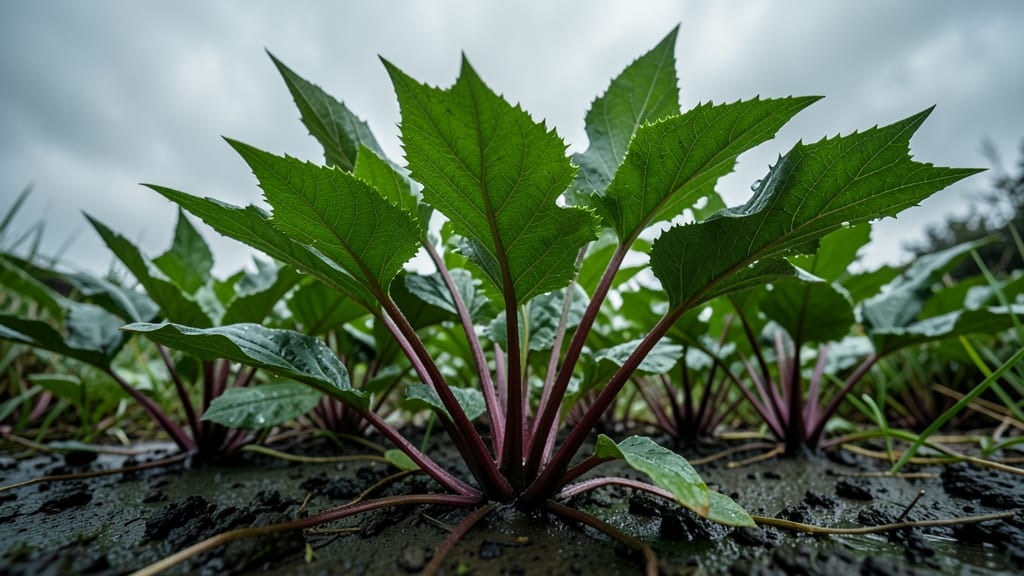
If your garden stays damp longer than a rainy weekend, dock weed might be your unwelcome houseguest. This broadleaf weed thrives in moisture-retentive soil, popping up in shady, soggy corners where other plants struggle. Its tall, arrowhead-shaped leaves and reddish stems make it easy to spot—but its persistence makes it a challenge.
For removal, manual pulling is your best bet, especially after rain when soil is soft. Grab the entire root to prevent regrowth, then compost the debris (dock weed doesn’t spread from seed but can resprout from fragments). Avoid tilling, as it can spread fragments deeper into the soil. This method is perfect for gardeners who prioritize organic solutions and want to keep their soil healthy.
Dock weed is a common nuisance in low-lying garden beds and near water sources, making it a top target for gardeners dealing with poor drainage. With consistent effort, you can reclaim those damp spots for plants that actually want to grow there. 💪
Goldenrod: Late Summer Yellow Weed
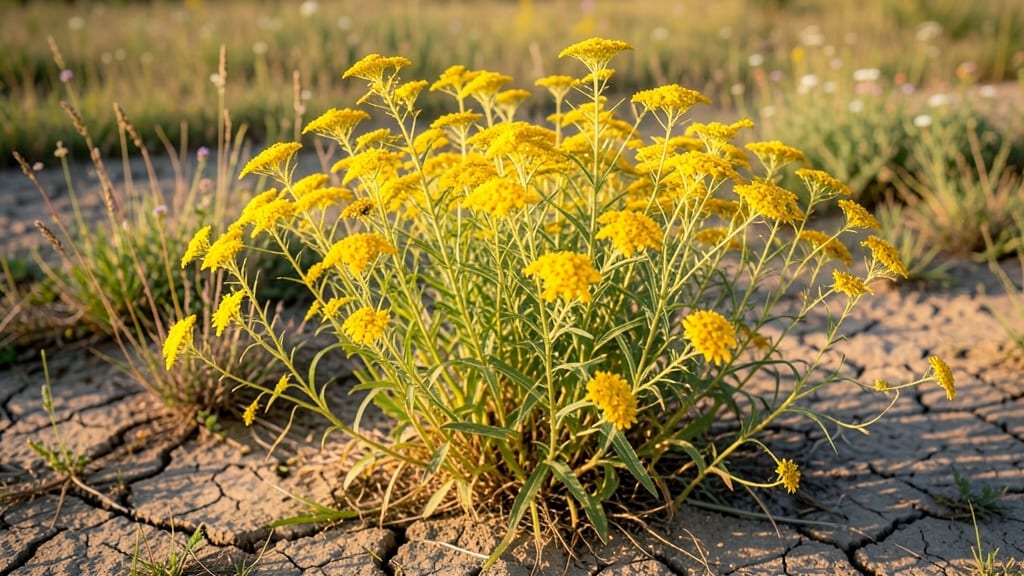
If your garden is bursting with late-summer color but you’re hesitant to pull those bright yellow plumes, goldenrod might be your secret weapon. Often unfairly blamed for seasonal allergies (it’s actually ragweed’s fault!), this hardy perennial thrives in full sun and poor soil—making it a low-maintenance choice for pollinator-friendly spaces.
To keep it lush without eradicating it entirely, focus on selective thinning in early spring or after flowering. Snip back spent stems to encourage bushier growth, and leave some patches for bees and butterflies. Goldenrod’s deep roots also suppress weeds naturally, so it’s a dual-purpose plant for gardeners who want beauty and function.
Perfect for wildflower meadows, native plant gardens, or even urban borders, goldenrod proves that not all "weeds" need to be enemies. Just give it space—and watch your pollinator visitors thrive! 🌻
Thistle Weed: Purple Spiked Flower Clusters

Love the bold, purple-spiked drama of thistle flowers but dread their invasive spread? These striking weeds add wild charm to borders—until they dominate your garden. Their deep violet blooms and spiky seed heads make them a favorite for cottage-style gardens, but their aggressive root systems can outcompete your prized plants.
To strike the balance, use a glyphosate-free, targeted herbicide (like triclopyr) directly on the foliage when flowers appear—this kills the plant without harming surrounding soil or beneficial insects. For smaller patches, hand-pulling with thick gloves (those spines are no joke!) works best after rain when roots loosen. Timing matters: treat in early spring before seeds spread or late summer when growth slows.
This approach is perfect for gardeners who want to keep the aesthetic while controlling spread—ideal for pollinator-friendly borders where you can’t bear to remove all wildflowers. Just don’t let it take over! 🌷