
Tools
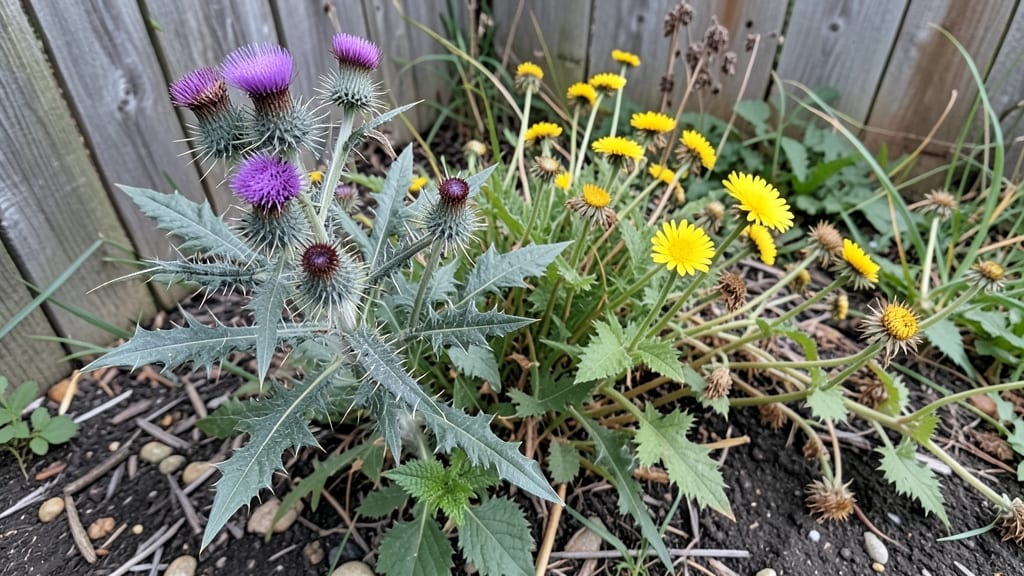
Spiky garden weeds like thistles and bindweed turn your yard into a prickly nightmare—until you use the right tools. I’ve wrestled with these invasive plants for years, and the difference between frustration and control comes down to what’s in your toolbox.
A sturdy weeding fork and thick gloves aren’t just accessories; they’re your first line of defense against those razor-sharp leaves and stubborn roots.
The key is removing the entire root system to prevent regrowth, but doing it safely without harming your soil or nearby plants. I’ve tested everything from hand-pulling to specialized tools, and the right approach keeps your garden healthy while making the job less painful.
Plus, I’ll show you how to spot the difference between weeds and your prized ornamental plants—like agave or yucca—that actually belong in your landscape.
You’ll walk away with a method that protects your hands, your pets, and your soil’s future. No more patchy, prickly ground or wasted effort on half-pulled weeds.
The tools I recommend work for everything from tiny seedling thistles to mature bindweed, and they’ll keep your garden looking intentional instead of overrun. Let’s tackle this the smart way.
This isn’t just about clearing out the spiky invaders—it’s about creating a system that keeps them from coming back. Whether you’re dealing with a small patch or a full-blown weed war, the right tools and techniques make all the difference.
Ready to reclaim your garden without the scratches or the stress?
The hidden triggers behind thistle growth
If your garden is becoming a battleground against spiky invaders like thistles, sow thistles, or cactus-like weeds, the culprits are often rooted in how your soil, sunlight, and even watering habits interact.
Understanding these triggers can help you take targeted action to reclaim your garden—without harming the ecosystem. Let’s break down the science behind why these prickly pests thrive.
🌱 Poor Soil Conditions: The Unseen Invitation
Spiky weeds often flourish in disturbed, nutrient-poor, or compacted soil. When your garden soil lacks organic matter, these weeds exploit the gaps. Here’s why:
- Low organic content: Weeds like thistles thrive in soil with minimal compost or mulch because they’ve evolved to survive in harsh conditions. Their deep taproots can extract nutrients from deep underground, leaving your desired plants starved.
- Compacted soil: Heavy foot traffic, machinery, or clay-heavy soil creates a dense layer that restricts water and air flow. Spiky weeds love this environment because their roots can push through compacted layers while shallow-rooted plants struggle.
- High pH or alkalinity: Many spiky weeds prefer slightly alkaline soil (pH 7.0–8.5). If your soil tests high in pH, these weeds outcompete acid-loving plants like blueberries or azaleas.
Actionable fix: Amend your soil with compost, leaf mold, or well-rotted manure to improve structure and nutrient availability. Aerate compacted areas with a garden fork or core aerator to break up the soil.
☀️ Overly Sunny Spots: The Weed Magnet
Full sun (6+ hours of direct light daily) is a double-edged sword—it boosts your flowers and veggies but also creates the perfect conditions for spiky weeds. Here’s the science:
- Rapid photosynthesis: Weeds like Cirsium (thistles) and Onopordum (cotton thistles) have high photosynthetic efficiency, meaning they grow aggressively in bright light. Their spiky leaves reduce water loss, giving them an edge over shade-loving plants.
- Heat tolerance: Many spiky weeds are drought-resistant once established. In hot, dry climates, they outcompete moisture-sensitive plants by sending down deep roots to access water.
- Seed germination triggers: Some weeds (like Salsola or Russian thistle) germinate in response to heat and bare soil, common after tilling or mulch breakdown.
Actionable fix:
- Use shade cloth (30–50%) in high-sun areas to reduce weed seed germination.
- Plant dense ground covers (like clover or creeping thyme) to block sunlight and smother weeds.
- Water deeply but infrequently to encourage deep root growth in your desired plants, outcompeting shallow weed roots.
💦 Watering Woes: The Moisture Misstep
Believe it or not, overwatering or inconsistent watering can turn your garden into a weed paradise. Here’s how:
- Excessive moisture: Weeds like Conyza (horseweed) and Ambrosia (ragweed) thrive in soggy soil because their seeds germinate quickly in damp conditions. Poor drainage or overwatering creates the perfect nursery.
- Shallow watering: Frequent light watering keeps the topsoil moist, encouraging weed seeds to germinate in batches (a process called summer germination). This creates a never-ending cycle of sprouts.
- Drought stress: While some spiky weeds are drought-tolerant, others (like Dipsacus or teasel) actually prefer occasional dry spells followed by heavy rain, which washes away competitors and leaves them unchallenged.
Actionable fix:
- Install drip irrigation or soaker hoses to deliver water deeply and slowly, encouraging your plants’ roots to grow down while inhibiting weed seeds.
- Mulch with straw or wood chips to regulate soil moisture and suppress light-dependent weeds.
- Avoid watering in the evening to reduce humidity, which can promote fungal diseases that weaken your plants (and give weeds an opening).
🌿 Disturbed Soil: The Weed’s Golden Opportunity
Every time you till, dig, or even walk on your garden, you’re inviting spiky weeds to move in. Here’s why disturbance is their best friend:
- Exposed seeds: Weed seeds lie dormant in the soil until disturbed. Tilling or aerating brings them to the surface, where they germinate in sunlight and warmth.
- Root fragment regrowth: Many spiky weeds (like Cynara cardunculus, the wild cardoon) can regrow from even tiny root pieces left in the soil after digging.
- Competition reduction: Disturbing soil removes established plants, leaving space for weeds to colonize without competition for sunlight or nutrients.
Actionable fix:
- Switch to no-till gardening and use sheet mulching (lasagna gardening) to smother weeds naturally.
- Hand-pull weeds before they seed (when they’re young and easy to remove).
- Cover bare soil with cardboard or fabric weed barriers before planting to block light and prevent germination.
Pro tip: 💡 Most spiky weeds are opportunists—they exploit weaknesses in your garden’s ecosystem. By addressing soil health, sunlight balance, watering habits, and disturbance, you’ll starve them out before they become a problem.
Tame Those Thorny Invaders
Now that you understand why those prickly plants pop up in your garden, it’s time to tackle them—without harming your soil or yourself! Below are practical, humane solutions tailored to common causes, plus prevention tips to keep your garden weed-free long-term.
Cause: Weeds thrive where grass or plants struggle due to compacted, nutrient-poor soil. Solution:
- 🔥 Aerate First: Rent a core aerator or use a garden fork to poke holes (4–6 inches deep) in affected areas. This loosens soil and lets air/water reach roots.
- 🍳 Feed the Good Guys: Spread a 1-inch layer of compost or well-rotted manure over the area, then lightly rake it in. For faster results, mix in a balanced organic fertilizer (like 10-10-10) to crowd out weeds naturally.
- 👨🍳 Plant Competitors: Sow dense ground covers (clover, creeping thyme) or fast-growing grasses (like fine fescue) to outcompete weeds for sunlight and space.
💡 Pro Tip: Water deeply after amending soil to help nutrients sink in. Mulch with straw or wood chips (2–3 inches thick) to suppress future weeds.
Cause: Weeds like crabgrass or dandelions flourish in dry, sunny spots or soggy soil. Solution:
- ⏰ Water Wisely: Most weeds hate consistent moisture. Water deeply 2–3 times per week (early morning) to encourage deep grass roots that shade out weeds.
- 🌡️ Shade Them Out: If your yard gets 6+ hours of sun, consider partial shade plants (hostas, ferns) or install lightweight shade cloth (30–50% coverage) to reduce weed seeds’ ability to germinate.
- 🎯 Fix Drainage Issues: For waterlogged areas, amend soil with sand or perlite, or build a raised bed to improve airflow.
✨ Bonus: Let grass grow 3–4 inches tall—taller blades block sunlight and smother weeds.
Cause: Weeds rush in after soil disturbances (digging, construction, or foot traffic). Solution:
- 🔪 Fill & Pack: For small gaps, mix topsoil with compost (50/50) and pack it firmly. For larger areas, lay sod or seed with perennial ryegrass (germinates in 7–14 days).
- 🛡️ Use a Pre-Emergent: Apply a corn gluten meal (natural pre-emergent) in early spring to prevent weed seeds from sprouting. Reapply after rain.
- 🌿 Mulch Like a Pro: Cover bare soil with cardboard + mulch (wet cardboard under 2–3 inches of pine straw or shredded leaves) to block light and smother weeds.
💡 Pro Tip: If you’re planting new beds, solarize the area first: Lay clear plastic sheeting for 4–6 weeks in summer to kill existing weeds and seeds.
For stubborn thorny weeds (like bindweed or brambles), use these humane extraction methods:
| Weed Type | Tool | How to Use |
|---|---|---|
| Shallow Roots | Dandelion Digging Fork | Pry under the root, wiggle, and lift—no gloves needed! |
| Deep Tapers | Weed Wrench | Twist to break roots; pull slowly to avoid snapping. |
| Viney Spreaders | Hori-Hori Knife | Cut at soil level, then dig out all root fragments (even tiny pieces regrow!). |
| Grassy Weeds | Manual Weeder | Slide under the weed, lift, and flick off soil—no bending required! |
🔥 Safety First: Wear garden gloves with reinforced palms (like Mechanix or Dr. McGill’s) to protect from thorns.
- 🌱 Mow High & Often: Keep grass at 3–4 inches to shade soil.
- 🍂 Clean Up Debris: Remove fallen leaves and plant debris where weeds hide.
- 🌿 Test Your Soil: Use a DIY soil test kit to check pH/nutrients—imbalanced soil = weed paradise.
- 🔄 Rotate Tools: Sterilize garden tools with rubbing alcohol to avoid spreading weed seeds.
- 🐝 Support Pollinators: Plant native wildflowers to attract bees/ladybugs, which naturally reduce weeds.
Final Thought: The key to beating spiky weeds is consistency—fix the root cause (literally!), then maintain healthy soil and plants. With the right tools and a little elbow grease, your garden will stay thorn-free and thriving! 🌿✨
Frequently asked questions
What are the most common types of spiky weeds I should watch for?
Look for thistles, bindweed, cactus-like prickly pear, and Russian thistle (tumbleweed). These thrive in disturbed soil and can spread rapidly. Thistles have sharp spines, while bindweed grows in vines that strangle other plants—both are tough to eradicate once established.
How do I safely remove spiky weeds without getting hurt?
Wear thick gardening gloves (like Mechanix or Dr. McGill’s) and use a weeding fork or hori-hori knife to dig out roots. For vines, cut at soil level first to prevent regrowth. Work in the morning when plants are hydrated and easier to pull. Always pull from the base to avoid breaking off spiky tops.
Will vinegar or salt kill spiky weeds permanently?
Vinegar (undiluted white vinegar + dish soap) can kill young weeds but won’t reach deep roots like thistles. Salt is worse—it harms soil structure long-term. For stubborn weeds, use a glyphosate-free herbicide (like vinegar + boiling water) or smother them with mulch instead. Always test small areas first.
How can I tell if a spiky plant is a weed or a desirable ornamental?
Check the roots: weeds like bindweed have deep, invasive roots, while ornamentals (e.g., yucca or agave) have clumping growth habits. If the plant spreads aggressively, competes with your garden, or has no flowers/fruit, it’s likely a weed. Research its Latin name for confirmation.
Are spiky weeds harmful to pets or children?
Yes! Thorny plants like Russian thistle or cactus can cause painful punctures, while others (e.g., poison ivy) may trigger allergic reactions. Keep pets away from treated areas until weeds are fully removed. Opt for manual removal over herbicides in family-friendly spaces.