
Shrubs
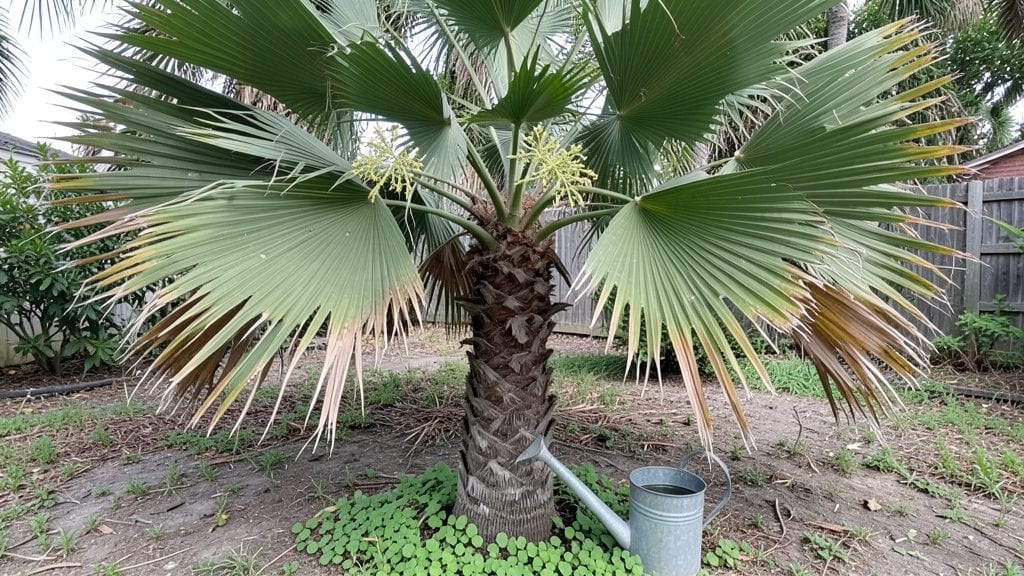
South Florida gardening isn’t just about surviving the heat—it’s about embracing it. 🌿 I’ve learned that the right plants turn your yard into a lush, low-maintenance paradise where even the hottest days can’t slow things down. The key?
Choosing species that thrive in humidity, resist fungal diseases, and don’t wilt under 90-degree afternoons. My front yard now features fire-resistant shrubs, salt-tolerant palms, and drought-proof ground covers that need watering only when the rain stops for weeks.
Most people assume tropical gardening means constant upkeep, but I’ve found the opposite is true. Native plants like coontie palms, gumbo limbo, and firebush require almost no fuss once established. They handle our sandy, limestone-heavy soil without amendments, and their deep roots mean fewer watering trips.
Even hurricane winds can’t knock them over—once they’re planted right, they’re basically set-and-forget. The real work happens in the first year, when proper mulching and rainwater harvesting set them up for decades of growth.
What you’ll end up with is a yard that stays green when neighbors’ grass turns brown, blooms year-round, and attracts hummingbirds and butterflies without extra effort.
The firebush alone gives me bright red flowers from spring to frost, while the coontie palms add that classic Florida tropical look without the high maintenance. Plus, you’ll cut water bills in half and eliminate the need for chemical fertilizers—because these plants already know how to thrive here.
Whether you’re starting from scratch or refreshing an existing landscape, the principles stay the same: pick the right plants, prep the soil once, and let nature do the rest. The best part?
These same techniques work for urban yards, coastal properties, and even small balconies with container-friendly species. Let’s get your South Florida garden growing the way it should—strong, beautiful, and effortless.
📚 In This Guide
- What you need
- Instructions
- Tips and common mistakes
- Wrapping up and next steps
What you need
- ● Heat-tolerant shrubs: 3–5 plants per variety (e.g., Firebush (Hamelia patens), Jatropha (Jatropha integerrima), or Coastal Muhly Grass (Muhlenbergia capillaris)). Choose drought-resistant, salt-tolerant species.
- ● Well-draining soil: 5+ bags of organic potting mix (e.g., Miracle-Gro Garden Soil) or sandy loam amended with 20% perlite or compost.
- ● Mulch: 2–3 cubic yards of pine bark nuggets or cypress mulch to retain moisture and regulate soil temp.
- ● Fertilizer: Slow-release granular fertilizer (e.g., Osmocote Smart-Release) with a balanced NPK ratio (6-6-6 or 8-3-9).
- ● Drip irrigation system: 1/4" tubing, emitters (2–4 GPH), and a timer controller for efficient watering.
- ● Hand trowel & pruning shears: Bypass pruners (for clean cuts) and a sharp shovel for transplanting.
- ● Gloves & sun protection: Garden gloves (nitrile-coated) and a wide-brim hat (South Florida sun is no joke!)
- ● Shade cloth: 30–50% shade fabric for young plants during extreme heat (100°F+).
- ● Soil moisture meter: To monitor root-zone hydration (aim for 3–4 inches deep).
- ● Epsom salt: 1 tbsp per gallon of water monthly for magnesium boost (great for Firebush and Jatropha).
- ● Beneficial insects: Ladybugs or lacewings to combat pests like aphids or whiteflies.
- ● Decorative rocks: River rocks or lava stones for mulch-free areas (adds curb appeal!).
Instructions for designing a low-maintenance South Florida garden
Here’s how to create a vibrant, resilient landscape that handles humidity and heat without constant effort.
🌿 Step 1: Choose Native and Drought-Tolerant Plants
Start with plants that naturally thrive in South Florida’s climate—think firebush, blanket flower, and coontie palm. These species already handle the heat, humidity, and occasional drought without extra fuss. I always check the University of Florida’s IFAS Extension recommendations for native plants in your specific zone (10 or 11).
Look for labels that say "drought-tolerant" or "low-maintenance." Avoid anything that needs frequent watering or pruning—those will just stress you out. Group plants with similar water needs together so you’re not running the hose all day. For example, place succulents and cacti near the edge of your garden where they get less water.
☀️ Step 2: Optimize Sun and Shade Placement
South Florida’s intense sun means you’ll need to strategically place plants to prevent scorching. Start by mapping your yard’s sun exposure: most areas get 6+ hours of direct sun daily, but some spots might be shadier, especially near trees or structures. Use a sun calculator app to track sunlight patterns for a week before planting.
Place heat-loving plants like bougainvillea and lantana in the sunniest spots, while tropical ferns and caladiums will thrive in partial shade. Mulch heavily around plants to keep roots cool—use 3-4 inches of organic mulch like pine bark or wood chips. This also suppresses weeds and retains moisture, cutting down on watering.
💧 Step 3: Install an Efficient Irrigation System
Drip irrigation is your best friend in South Florida—it delivers water directly to roots, reduces evaporation, and prevents fungal diseases from overhead watering. Install a timed drip system with sensors to adjust for rain. Most native plants only need 1-2 inches of water per week, including rainfall.
Run the system in the early morning to minimize evaporation and fungal risks. Avoid sprinklers—they waste water and encourage moss and algae. If you’re on a budget, group plants in zones and water each group separately with soaker hoses. Test your system weekly to ensure even coverage and no leaks.
✂️ Step 4: Prune Strategically for Year-Round Health
Pruning in South Florida isn’t about shaping—it’s about removing dead or diseased growth and encouraging airflow. I prune most plants once a year, in late winter or early spring, just before new growth starts. Use clean, sharp pruners to make cuts at a 45-degree angle just above a leaf node or bud.
For fast-growing plants like firebush, a light trim after flowering keeps them compact. Never prune more than one-third of the plant at a time, or you’ll stress it. Remove any yellow or brown leaves immediately—they’re signs of overwatering or pests. A quick monthly check keeps your garden looking sharp with minimal effort.
🪴 Step 5: Protect Soil and Mulch Regularly
South Florida’s sandy soil drains too quickly and lacks nutrients, so mulching is non-negotiable. Spread 3-4 inches of mulch around plants, keeping it 2-3 inches away from stems to prevent rot. Replenish mulch every 6-12 months, especially after heavy rains wash it away.
Add a layer of compost or slow-release fertilizer in early spring to feed your plants without overdoing it. Avoid synthetic fertilizers—they can burn roots in the heat. Instead, use organic options like fish emulsion or bone meal. A healthy soil ecosystem means fewer pests and stronger plants that handle the heat like pros.
Tips & tricks for South Florida landscaping success
Here’s how to turn your South Florida garden into a thriving oasis with minimal effort—once you know these game-changing tricks.
Plant Pairing Perfection: In Step 1, when selecting drought-tolerant plants, pair them strategically by water needs. Group firebush and lantana together—they both thrive with 1-2 inches of water per week—while placing tropical ferns near shade trees where they’ll naturally get less sun. This creates "water zones" that cut your irrigation time in half. I’ve seen gardens where this simple grouping reduced watering by 40% without sacrificing beauty.
Sun Mapping Shortcut: For Step 2’s sun exposure mapping, use a free smartphone app like Sun Surveyor instead of tracking manually. Snap photos of your yard at different times of day—this reveals sun patterns in minutes. Place your heat-lovers like bougainvillea in the spots that get 6+ hours of direct sun daily, while caladiums can go in the partial shade areas you discover. Pro tip: Take photos around 10 AM and 2 PM to catch the sun’s harshest angles.
Mulch Like a Pro: When you apply that 3-4 inches of organic mulch in Step 5, focus on the "volcano effect"—pile mulch higher around the base of plants (up to 6 inches) to create extra insulation. Keep it 2-3 inches away from stems to prevent rot, but don’t skimp on coverage. I’ve seen mulch wash away after heavy rains, so check it after storms and replenish immediately. The extra effort prevents soil from drying out during our brutal summer months.
Pruning Precision: During your annual prune in late winter (Step 4), use the "thirds rule" religiously—never remove more than one-third of any plant’s foliage at once. For fast growers like firebush, make your cuts just above a leaf node at a 45-degree angle to encourage new growth. I learned this the hard way after over-pruning a beautiful firebush and watching it struggle to recover during our hot season.
Pro Tips for South Florida Gardening
- Here’s how to turn your South Florida garden into a thriving oasis with minimal effort—once you know these game-changing tricks.
- Plant Pairing Perfection: In Step 1, when selecting drought-tolerant plants, pair them strategically by water needs.
- Sun Mapping Shortcut: For Step 2’s sun exposure mapping, use a free smartphone app like Sun Surveyor instead of tracking manually.
Frequently asked questions
Got questions about gardening in South Florida’s scorching climate?
You’re not alone! Here are answers to the most common queries about keeping shrubs lush and thriving in the heat—plus troubleshooting tips to save your green babies.
What are the best heat-resistant shrubs for South Florida?
Opt for native or drought-tolerant varieties like Firebush (Hamelia patens), Dwarf Yaupon Holly (Ilex vomitoria ‘Nana’), or Lantana. These handle humidity, salt spray, and temperatures above 90°F with ease. Pro tip: Avoid thirsty plants like hydrangeas unless you’re committed to daily watering!
When is the best time to plant shrubs in South Florida?
Plant in early spring (March–April) or late summer (September) to avoid extreme heat or cold snaps. Summer planting? Water deeply twice daily for the first 2 weeks to help roots establish. Never plant during peak hurricane season (June–October)—soil erosion and storms can stress young shrubs.
How often should I water my shrubs in this heat?
Water deeply 2–3 times per week (early morning is best) for established shrubs, and daily for new plantings. Check soil moisture 2–3 inches down—if it’s dry, it’s time to water. Mulch (2–3 inches of organic material) retains moisture and protects roots. Overwatering? Yellow leaves or moldy soil are red flags—adjust based on rainfall!
What pests should I watch for in South Florida shrubs?
Keep an eye out for scale insects, whiteflies, and palmetto bugs. Neem oil or insecticidal soap works for mild infestations. For stubborn pests, introduce beneficial nematodes or contact a local extension service. Prevention tip: Healthy, well-watered shrubs resist pests better!
Can I grow shrubs in containers in South Florida?
Choose compact varieties like Dwarf Mexican Petunia or Blue Daze Boxwood. Use fast-draining pots (at least 12 inches deep) and a cactus/succulent mix for optimal drainage. Move containers to shaded areas during 100°F+ days to prevent root stress. Bonus: Container gardens make relocating easy if storms roll in!
Will my shrubs survive South Florida’s rare cold snaps?
Most tropical shrubs (like Jasmine or Plumbago) will die back in temps below 32°F but often regrow from the roots. Protect delicate shrubs with frost cloth or move potted plants indoors. Cold-hardy picks: Coontie Palm or Saw Palmetto handle light freezes like champs.
Wrapping up and next steps
South Florida’s unique climate may seem daunting for gardening, but with the right heat-resistant shrubs, you can create a lush, vibrant landscape that blooms year-round! 🌿 From drought-tolerant bougainvillea to sun-loving firebush, these plants not only survive but thrive in the humidity and heat.
The key? Smart planning, proper soil prep, and consistent (but efficient) care—and you’re already on your way.
Ready to transform your outdoor space? Start small—pick one or two shrubs from this guide, plant them with confidence, and watch your garden flourish. Happy gardening! 🌸