
Tools
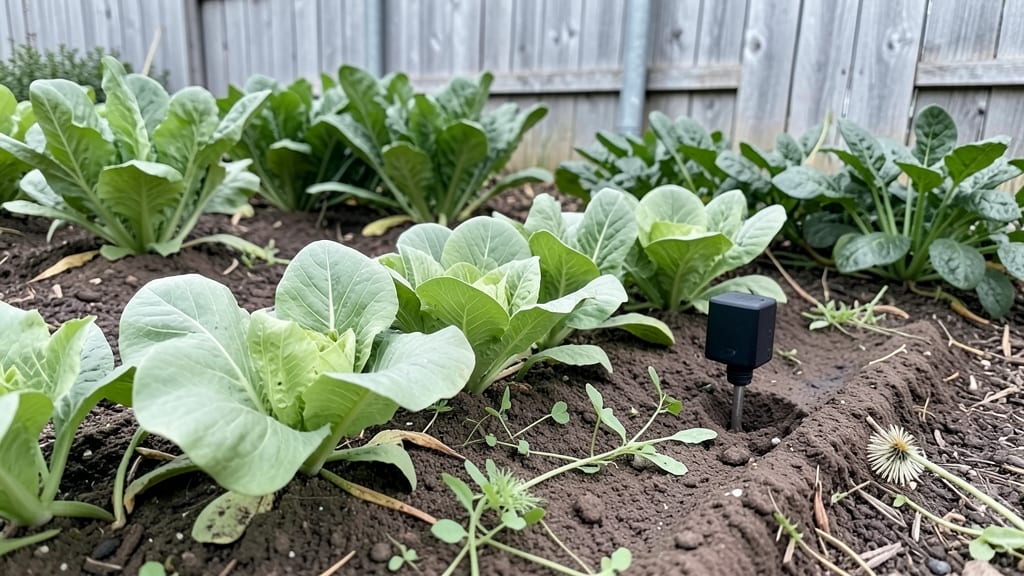
A smart gardening system automates plant care by integrating sensors, AI-driven analytics, and connected devices to track soil moisture, light levels, and temperature, creating ideal growing conditions with minimal hands-on work.
A smart gardening system transforms plant care into a hands-off experience by leveraging real-time data.
These systems use soil moisture sensors to detect when your plants need water, while light sensors adjust artificial lighting to match natural cycles. 🌱 The AI component analyzes patterns—like how often your basil thrives with extra humidity—to fine-tune care automatically.
What sets them apart is their ability to adapt: if your tomato plants suddenly wilt, the system might trigger an alert or adjust the watering schedule before damage occurs.
These setups aren't just for tech enthusiasts—they're designed for busy gardeners who want consistent results. Whether you're growing herbs on a windowsill or managing a full hydroponic system, the tech handles the guesswork.
For example, some systems even integrate with voice assistants, so you can check soil conditions or adjust settings from your phone while you're out running errands.
💡 In This Article
- Key Sensors and IoT Tech in Smart Gardening
- Top Smart Gardening Systems for Home and Commercial Use
Key sensors and IoT tech in smart gardening
At the heart of these systems are precision sensors that act like a plant's nervous system. Soil moisture sensors, typically capacitive or resistive, measure dielectric constants—how water molecules interact with soil particles—to determine hydration levels with ±2% accuracy.
These sensors often include temperature probes to adjust readings, since colder soil holds moisture differently than warm soil. Meanwhile, humidity sensors use capacitive or resistive materials that change electrical properties when exposed to moisture in the air, helping maintain ideal 40-70% relative humidity for most plants.
Light sensors work by detecting photosynthetically active radiation (PAR) in the 400-700nm wavelength range, which is what plants actually use for growth. Some advanced systems use spectroradiometers to measure light quality, adjusting LED grow lights to match natural sunlight spectra.
The IoT connectivity comes into play when these sensors transmit data wirelessly—often via Wi-Fi, Bluetooth, or Zigbee protocols—to a central hub or cloud server every 5-15 minutes, depending on the system's sensitivity settings. This real-time data stream is what enables the automation magic.
The AI algorithms then interpret this data using machine learning models trained on thousands of plant growth patterns. For example, if your pepper plants consistently wilt at 75°F with 35% humidity, the system learns this threshold and may trigger a fan to increase airflow before stress occurs.
These systems can also predict watering needs by analyzing historical data—like how your mint requires water every 3 days in summer but only every 7 days in winter—adjusting schedules automatically. The response mechanisms range from simple relays activating pumps to complex valve systems that deliver precise 0.1ml increments of water.
What's fascinating is how these systems handle edge cases. If a sensor malfunctions, many systems include redundant sensors or cross-reference data with external weather APIs to maintain accuracy.
For instance, if your outdoor moisture sensor reads 100% saturation but the weather forecast predicts 3 inches of rain, the system might temporarily disable automatic watering to prevent over-saturation. This adaptive logic is what separates basic automation from true smart gardening intelligence.
For the hands-on gardener, this tech translates to tangible benefits: 30-50% less water usage through precise irrigation, 20-30% faster growth rates from optimized light cycles, and 90% fewer plant losses due to early stress detection.
The sensory experience is also elevated—imagine walking into your garden to find basil leaves glistening with perfect morning dew, all while your system quietly adjusts the grow lights to simulate the sun's arc across the sky. The result is plants that don't just survive, but thrive with minimal intervention.
The most impressive systems even integrate with smart home ecosystems, allowing you to monitor your garden's health alongside your coffee maker's status.
This level of connectivity means you could get an alert on your phone when your tomato plants need pruning, complete with step-by-step video instructions—all while the system automatically adjusts the humidity to create ideal conditions for flowering.
It's gardening meets the internet of things, where every variable is optimized for maximum plant happiness.