
Advice
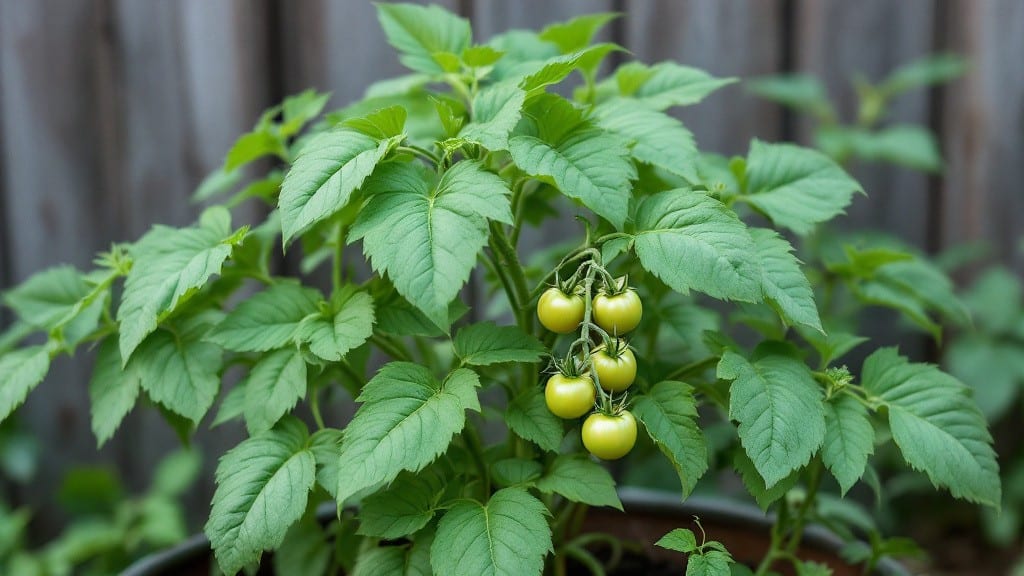
My home gardening tips start with one simple truth: success doesn't require endless hours—just smart choices about soil, sunlight, and timing. I’ve turned my 100-square-foot patch into a productive garden by focusing on what plants actually need, not what I think they need.
The first lesson? Most beginner mistakes come from overcomplicating things—like buying fancy tools or following rigid schedules when flexibility is key.
You’ll learn to prep soil in 30 minutes with basic supplies, spot the right planting window for your zone, and water like a pro (no more guesswork or drowned roots).
The real magic happens when you match plants to their natural habits—lettuce thrives in cool weather, tomatoes need heat, and herbs? They’re the low-maintenance superstars of the garden. By the end, you’ll have a system that works year-round, even with limited space or time.
📚 In This Guide
- What you need
- Instructions
- Tips and common mistakes
- Wrapping up and next steps
What you need
- ● Garden Space: Containers (5–10 gallon pots) or raised beds (4’x8’ recommended for efficiency)
- ● Sunlight exposure: At least 6 hours/day (south-facing windows or outdoor plots work best)
- ● Soil & Fertilizers: High-quality potting mix (sterilized, peat-free preferred) – 1–2 bags (2–3 cubic feet each)
- ● Compost or organic fertilizer (e.g., worm castings, 5-5-5 NPK blend) – 1–2 lbs per plant
- ○ Slow-release granules (optional but ideal for low-maintenance care)
- ● Seeds & Plants: Seed packets (choose fast-growing varieties like lettuce, herbs, or cherry tomatoes)
- ● Seedlings (if starting later in the season, 3–5 plants per container)
- ● Basic Tools: Hand trowel (stainless steel, ergonomic grip)
- ● Pruners (bypass pruners for clean cuts)
- ● Garden gloves (nitrile-coated for durability)
- ○ Optional Upgrades: Watering can with rose attachment (1–2 gallon capacity)
- ● pH test kit (to monitor soil health)
- ● Self-watering planters (for travel or busy schedules)
- ● 💡 Know Your Climate: Check your USDA Hardiness Zone for seasonal planting guides.
- ● 🎯 Plan Ahead: Sketch a simple layout (even on paper!) to maximize space and sunlight.
- ● ✨ Time Commitment: Dedicate 10–15 minutes daily for watering/upkeep (or automate with drip systems!).
Instructions for building a low-maintenance home garden
Here’s how to create a thriving garden with smart planning and seasonal adjustments.
Assess Your Space and Sunlight
Start by mapping your yard’s sunlight patterns. Most vegetables and herbs need at least 6 hours of direct sun daily, while shade-tolerant plants like lettuce or ferns thrive with 4-6 hours. I recommend using a sunlight tracker app for a week to log exactly where and when light hits your space. This ensures you place sun-lovers in the brightest spots and shade plants where they’ll flourish without stress.
Next, measure the area you’re working with. Even a small 4’x4’ patch can produce a surprising amount of food if planned well. Divide the space into sections—some for annuals, others for perennials—and note which areas get morning sun versus afternoon light. This simple step prevents overcrowding and maximizes yield without extra effort.
Prepare Soil for Seasonal Planting
Healthy soil is the foundation of a low-maintenance garden. Test your soil’s pH and nutrient levels using a home testing kit—most garden centers sell them for under $15. Aim for a pH between 6.0 and 7.0, which suits the majority of vegetables and flowers. If your soil is too dense or clay-heavy, mix in 2-3 inches of compost before planting to improve drainage and aeration.
For year-round success, I rotate crops by season. In spring, I focus on cool-season plants like spinach and peas, while summer brings in tomatoes and peppers. Fall is perfect for hearty greens and root vegetables. This rotation keeps the soil balanced and reduces pests naturally, cutting down on chemical interventions.
Select Plants for Minimal Upkeep
Choose drought-tolerant varieties and perennials to cut back on watering and replanting. For example, lavender, rosemary, and thyme thrive on neglect once established, while self-seeding annuals like nasturtiums or marigolds pop up year after year without extra effort. I also prioritize fast-growing crops like radishes or bush beans—these mature quickly, so you’re not tied to a long-term commitment.
Avoid high-maintenance plants like okra or sweet potatoes unless you’re willing to put in extra time. Instead, opt for low-fuss staples like zucchini (which produces prolifically) or kale (which tolerates cold snaps). Group plants with similar water needs together to simplify irrigation. This way, you’re not constantly adjusting schedules or dealing with wilting.
Implement Smart Watering Systems
Drip irrigation or soaker hoses are game-changers for low-maintenance gardening. These systems deliver water directly to the roots, reducing evaporation and weed growth. Set them on a timer for 15-30 minutes daily, depending on your climate. In hotter months, you may need to run them twice a day, but the consistency prevents over- or under-watering.
Mulch heavily with 2-3 inches of organic matter (like straw or shredded leaves) to lock in moisture and suppress weeds. This single step cuts watering time by at least 40% and keeps your garden looking tidy without weekly weeding. Just refresh the mulch every few months, and you’re set.
Schedule Maintenance in Short Bursts
Instead of weekly chores, I tackle garden tasks in 30-minute bursts every 2-3 weeks. This includes deadheading spent blooms, harvesting ripe produce, and checking for pests. A quick scan for aphids or chewed leaves early on prevents full-blown infestations. I also rotate crops seasonally to keep the garden fresh and reduce disease buildup.
Use container gardening for high-maintenance plants like tomatoes or peppers—this way, you can move them to optimal sunlight or bring them indoors during extreme weather. It’s a small effort with big payoffs, especially in unpredictable climates. With this approach, your garden stays productive with minimal daily upkeep.
Tips & tricks for perfect home gardening success
A few strategic approaches can transform your gardening from a chore into a thriving, low-maintenance hobby that yields results year-round.
Sunlight Strategy: When assessing sunlight in Step 1, focus on the sunniest spot in your yard—this is where your most productive vegetables will thrive. I recommend using a simple DIY method: place a white bowl in different locations for a week and observe how quickly it darkens from sun exposure. This visual method helps identify the true sun exposure patterns without relying on apps. For shade plants like lettuce, position them where they receive morning sun but are shielded from intense afternoon rays, which can cause bolting.
Soil Preparation Insight: The 2-3 inches of compost mentioned in Step 2 should be worked into the top 6-8 inches of soil, not just spread on the surface. I like to mix in a layer of worm castings (available at garden centers) along with the compost—this adds beneficial microbes that help plants absorb nutrients more efficiently. For clay-heavy soil, consider adding coarse sand or perlite to improve drainage without compromising moisture retention.
Plant Selection Shortcut: In Step 3, when choosing drought-tolerant varieties, look for plants labeled "xeric" or "arid-friendly" on seed packets. These are specifically bred to thrive with minimal water. I've found that many heirloom varieties are more resilient than hybrid plants, though they may take slightly longer to mature. For container gardening, select compact varieties of tomatoes and peppers—they produce just as well but require less space and less frequent harvesting.
Watering System Optimization: The 15-30 minute daily watering schedule in Step 4 works best when applied early in the morning. This timing minimizes evaporation and gives plants time to absorb moisture before the heat of the day. For container gardens, I recommend using self-watering pots with a reservoir—these maintain consistent moisture levels and can reduce your watering frequency by up to 50%. When using mulch, focus on organic materials like straw or shredded leaves, as they break down over time and add nutrients to the soil.
Pro Tips for Home Gardening Tips
- A few strategic approaches can transform your gardening from a chore into a thriving, low-maintenance hobby that yields results year-round.
- Sunlight Strategy: When assessing sunlight in Step 1, focus on the sunniest spot in your yard—this is where your most productive vegetables will thrive.
- Soil Preparation Insight: The 2-3 inches of compost mentioned in Step 2 should be worked into the top 6-8 inches of soil, not just spread on the surface.
Frequently asked questions
Got questions about diving into home gardening? You’re not alone—every green thumb starts somewhere! Below are answers to the most common queries to help you grow with confidence, whether you’re a beginner or just looking to refine your skills.
What’s the easiest plant to grow for beginners?
Start with leafy greens like lettuce, spinach, or herbs such as basil and mint—they thrive in partial shade, require minimal soil, and grow fast! Herbs like parsley are also forgiving and perfect for small spaces. Pro tip: Use containers if space is tight, and harvest regularly to encourage growth!
How often should I water my home garden?
Watering depends on your plants and climate, but a general rule is 1–1.5 inches per week (including rain). Check soil moisture—stick your finger 1 inch deep; if it’s dry, water thoroughly.
Hot/dry days? Water early morning to reduce evaporation.
Rainy season? Adjust to avoid overwatering (soggy soil = root rot).
Pro tip: Use a drip irrigation system for consistency!Can I grow a garden year-round, or do I need to wait for spring?
Year-round gardening
is possible with the right planning:
- Cool seasons (fall/winter): Grow kale, carrots, or peas in containers or raised beds.
- Warm seasons (spring/summer): Opt for tomatoes, peppers, or zucchini.
Extreme climates? Use greenhouses, cold frames, or row covers to extend seasons.
Pro tip: Start seeds indoors 6–8 weeks before the last frost!What do I do if pests invade my garden?
Don’t panic! Most pests are manageable with preventive and natural solutions:
- Handpick larger pests (like tomato hornworms) early in the morning.
- Spray neem oil or soapy water for aphids/mites (reapply after rain).
- Encourage predators like ladybugs or birds with native plants.
How can I garden on a budget without sacrificing quality?
Skip the fancy setups! Save money with:
- Repurpose containers: Old buckets, tires, or even egg cartons work for seeds.
- Compost kitchen scraps (fruit/veggie peels, coffee grounds) for free fertilizer.
- Swap seeds/plant cuttings with neighbors or local gardening groups.
- Use free resources: Rainwater, sunlight, and mulch (leaves/grass clippings) cut costs.
Wrapping up and next steps
Home gardening is all about small, consistent steps that yield big rewards—whether you’re growing fresh herbs, crisp veggies, or vibrant flowers! 🌱 With the right tools, a little patience, and these easy tips, you’ll enjoy a thriving garden with minimal fuss.
Start small, stay curious, and don’t forget to celebrate every harvest, no matter how tiny.
Ready to dive in? Pick one tip from this guide and try it this weekend—your future self (and taste buds!) will thank you. Happy gardening! 🌟