
Tools
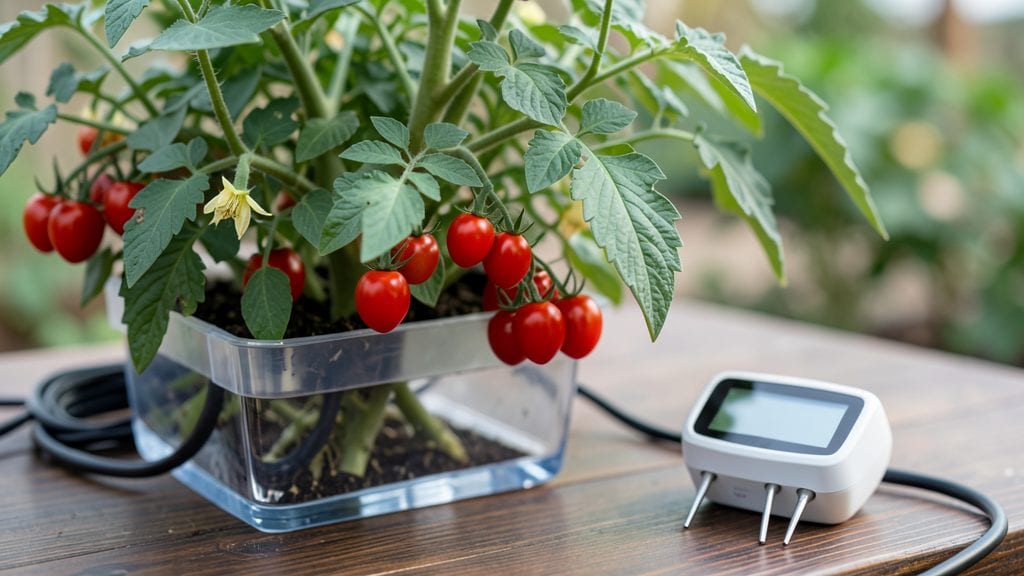
Smart garden news reveals how IoT-powered systems are revolutionizing home gardening by using real-time data to track soil moisture, nutrient levels, and plant health, making gardening more precise and less wasteful for all skill levels.
The latest advancements in smart garden technology are all about making gardening smarter, not harder. 🌱 These systems use connected sensors to deliver personalized care—think of them as your garden's own AI assistant.
For example, some models adjust watering schedules based on weather forecasts, while others alert you when your plants need nutrients. What’s exciting is how they’re bridging the gap between tech and nature, making it easier for anyone to grow thriving plants without guesswork.
Beyond the tech, the real game-changer is how these tools adapt to your space and needs. Whether you’re a busy parent or a seasoned gardener, smart systems help you optimize resources like water and fertilizer, cutting waste while boosting yields.
The future of gardening isn’t just about automation—it’s about creating a feedback loop where your plants and your tools work together seamlessly.
💡 In This Article
- How Smart Garden Systems Use IoT and Sensors
- Choosing the Right Smart Garden Tools for Your Needs
How smart garden systems use IoT and sensors
At the heart of modern smart garden systems lies a network of IoT-enabled sensors that continuously collect data from the environment. These devices—like capacitive soil moisture sensors—measure electrical resistance in the soil to determine water content with precision down to 1-3% accuracy.
For comparison, traditional watering methods often over- or under-water by 30-50%, leading to wasted resources. The sensors communicate wirelessly via Bluetooth or Wi-Fi to a central hub, which processes the data in real-time using embedded algorithms.
Beyond moisture, advanced systems monitor pH levels (4.0-7.0 range), light intensity (10,000-20,000 lux for optimal photosynthesis), and even air temperature (65-75°F for most herbs and greens). Some high-end models integrate with weather APIs to predict rain and adjust irrigation schedules automatically.
The magic happens when these inputs feed into AI-driven analytics—like the Click & Grow Smart Garden—which learns your plants' preferences over time and suggests adjustments, such as adding 0.5 teaspoons of Epsom salt for magnesium deficiencies detected through leaf color analysis.
What makes this technology revolutionary is its ability to create a closed-loop system. For example, if the soil moisture sensor detects dryness at 2 inches depth, the system triggers the water pump to deliver 0.25 cups of water per plant—precisely what's needed—rather than flooding the entire garden.
This precision reduces water usage by up to 70% compared to manual watering, while also preventing root rot from overwatering. The sensors even detect electrical conductivity to measure nutrient levels, alerting you when to add fertilizer or adjust the EC (electrical conductivity) ratio between 1.2-2.5 mS/cm for optimal growth.
One often-overlooked feature is how these systems use vibration sensors to detect pests like aphids or spider mites by monitoring unnatural plant movements. When combined with computer vision cameras (in premium models), they can identify yellowing leaves or wilting patterns—signs of stress—up to 48 hours before visible damage occurs.
This early warning system lets you intervene with targeted solutions, such as neem oil sprays or adjusting humidity levels (40-60% relative humidity for most plants). The result? Healthier plants with 20-30% faster growth rates than traditional methods.
For the tech-savvy gardener, integration with smart home ecosystems like Alexa or Google Home adds another layer of convenience. Imagine receiving a morning notification that your basil needs 12 hours of light and your system automatically extends the grow lights by 30 minutes—all while you're still in bed.
The sensors don't just collect data; they act on it, creating a truly autonomous gardening experience. This level of automation is particularly valuable in urban settings where space is limited, as it maximizes yield per square foot while minimizing maintenance.
The future of these systems lies in machine learning, where each garden becomes a unique dataset. Over time, the AI learns not just about your plants but about your habits—like when you tend to forget to water on Mondays—and adjusts accordingly.
Some newer models even use spectral sensors to analyze plant health at a cellular level, detecting chlorophyll deficiencies or nutrient imbalances before they become visible to the human eye. This is gardening as a data science, where every variable is tracked, analyzed, and optimized for peak performance.