
Tools
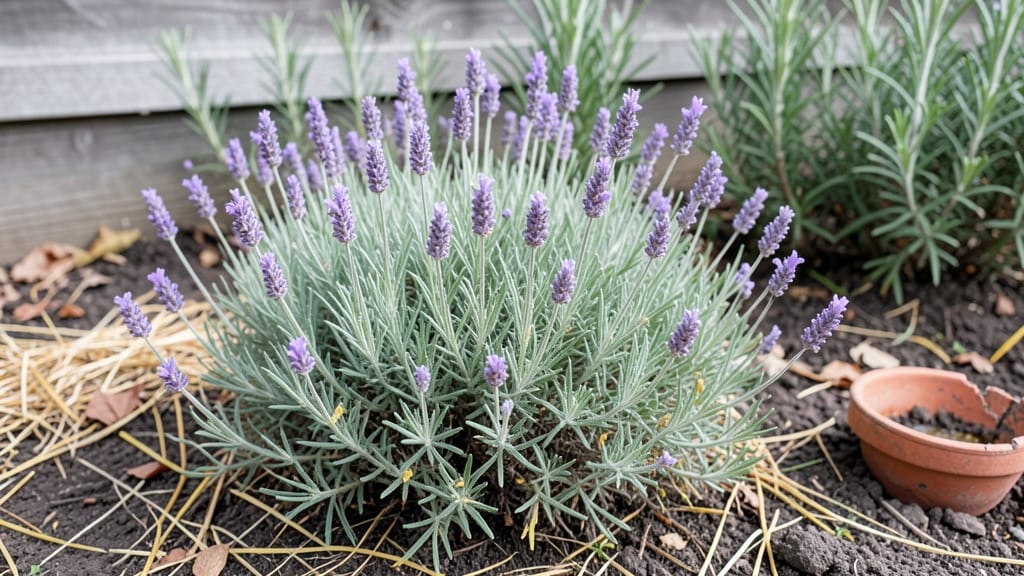
Transforming a tiny yard into a thriving garden isn't about space—it's about strategy. 🌱 I've designed small garden plans that turn postage-stamp plots into productive, beautiful spaces by stacking plants vertically, choosing compact varieties, and maximizing every square foot.
The key? Thinking upward, outward, and smartly about what you actually need to grow.
You don't need fancy tools or a green thumb—just a few key supplies like lightweight containers, trellises, and dwarf plant varieties that fit small spaces. My first layout used a 4x4-foot patch to grow enough herbs, greens, and tomatoes for four people, plus a pollinator-friendly border.
The secret is grouping plants by their needs: sun-lovers together, shade-tolerant plants in their own zone, and edibles mixed with ornamentals for year-round interest.
By the end of the season, you'll have a garden that produces more than it occupies—think cherry tomatoes climbing a 3-foot trellis, strawberries spilling over hanging baskets, and basil tucked between peppers in a square-foot grid.
The best part? You'll spend less time weeding and more time enjoying the harvest. Let's get your small space working harder than ever before.
These layouts adapt to balconies, courtyard strips, or even sunny windowsills—no yard required. Whether you're dealing with partial shade, rocky soil, or just a 6-foot-wide strip, the principles stay the same: prioritize what you love to eat, grow what thrives in your conditions, and always leave room for upward growth.
The possibilities are limited only by your creativity.
📚 In This Guide
- What you need
- Instructions
- Tips and common mistakes
- Wrapping up and next steps
What you need
- ● Measuring tape (25 ft) – For precise layout planning.
- ● Garden gloves (1 pair) – Protect those hands from dirt and thorns!
- ● Hand trowel (medium-sized) – Perfect for digging small holes.
- ● Pruners (bypass or anvil type) – Keep plants tidy and healthy.
- ● Watering can (1-2 gallons) – Or a hose with a gentle spray nozzle.
- ● Mulch (2-3 bags, 2-3 cubic feet each) – Retains moisture and suppresses weeds.
- ● Compost or fertilizer (1 bag) – Boosts soil nutrients for lush growth.
- ● Small garden plants (3-6, depending on layout) – Choose compact varieties like: Herbs (basil, thyme, parsley)
- ● Vegetables (cherry tomatoes, lettuce, radishes)
- ● Flowers (marigolds, pansies, or dwarf shrubs)
- ● Plant markers (10-15) – Label plants to track growth.
- ○ Container pots (3-5, 6-12 inches deep) – Optional for vertical or raised gardening.
- ● Decorative stones or pebbles – Adds a polished touch to pathways.
- ● Trellis or small fence panels – For vertical gardening or privacy.
- ● Solar-powered garden lights – Illuminates your space after dark.
- ● DIY raised bed kit – Elevates planting areas for better drainage.
Step-by-Step instructions for designing space-saving garden layouts
Here's my go-to approach for maximizing every square foot in a compact yard.
🪴 Step 1: Measure and Map Your Space
Grab a tape measure and sketch your yard to scale on graph paper. Note fixed elements like windows, fences, or sidewalks—these define your usable areas. I like to mark north on my sketch so I can plan sun exposure later. For a 4' x 6' space, you'll have about 24 square feet to work with, so prioritize vertical and layered planting.
Measure sunlight patterns throughout the day. Most small gardens get partial shade, so I divide my sketch into zones: full sun (6+ hours), partial shade (3-6 hours), and deep shade (less than 3 hours). This ensures I place sun-loving plants where they’ll thrive without competing with shade-tolerant varieties.
🌿 Step 2: Plan Vertical and Layered Plantings
Start with a tall anchor plant in one corner, like a 3-foot trellis with climbing roses or a sunflower stake. This creates a focal point and frees up ground space. Next, add mid-height plants like herbs or dwarf shrubs (think 2-3 feet tall) around the perimeter. Finally, fill the center with low-growing ground covers or shallow-rooted veggies.
For a 4' x 6' garden, I arrange plants in a 3-layer grid:
- Top layer: Trellises or tall stakes (e.g., pole beans or morning glories)
- Middle layer: Bushy plants like bush tomatoes or peppers (18-24 inches tall)
- Bottom layer: Spreading plants like strawberries or lettuce (6-12 inches tall)
This keeps everything accessible and maximizes yield.
☀️ Step 3: Optimize Sunlight and Airflow
Place sun-loving plants (tomatoes, peppers, herbs) on the south or west side of your garden, where they’ll get the most light. Shade-tolerant plants like hostas or ferns belong on the north or east side. I space plants 12-18 inches apart to allow airflow, which prevents fungal diseases and keeps pests away.
If your space gets hot afternoon sun, add a dwarf sunflower or ornamental grass as a windbreak on the north side. This blocks harsh winds while still allowing light to filter through. For shady spots, choose variegated hostas or astilbes—they add texture without competing for light.
💧 Step 4: Install Efficient Irrigation
Use a soaker hose or drip irrigation system along the edges of your garden beds. This delivers water directly to roots, reducing waste and keeping foliage dry (which prevents mildew). For a 4' x 6' garden, a 10-foot soaker hose works perfectly—just lay it along the perimeter and let it run for 15-20 minutes every other day during dry spells.
Add mulch (like straw or shredded leaves) to retain moisture and suppress weeds. I apply a 2-inch layer after planting, keeping it 6 inches away from stems to avoid rot. Check soil moisture by sticking your finger 1 inch deep—if it’s dry, water again.
✂️ Step 5: Maintain and Adjust as Needed
Prune regularly to keep plants from outgrowing their space. For example, pinch back basil when it reaches 6 inches tall to encourage bushier growth. Deadhead spent blooms on annuals like marigolds to prolong flowering. I also rotate crops yearly to prevent soil depletion—never plant the same family (like tomatoes and peppers) in the same spot two years in a row.
Every 4-6 weeks, reassess your layout. If a plant outgrows its space (like a zucchini vine), transplant it to a larger container or share it with a neighbor. Swap out annuals for seasonal varieties—spring lettuce can give way to fall kale in the same spot. This keeps your garden productive and visually fresh without overcrowding.
Tips & tricks for Perfect small garden layouts
These simple but game-changing tricks will help you transform even the tiniest yard into a thriving, organized garden.
Sunlight Mapping Secret: In Step 1, when you're measuring sunlight, I recommend using a simple app like Sun Surveyor to track sun paths throughout the day. This helps you visualize how sunlight shifts, especially important for 3-6 hour partial shade areas. I've found that even small yards can have microclimates—one corner might get full sun while another stays in shade all afternoon. Mark these variations on your sketch with colored pencils for easy reference.
Vertical Space Hacks: Don't limit yourself to just trellises! In Step 2, consider adding wall-mounted planters or hanging baskets for herbs and trailing plants like nasturtiums. These free up ground space while adding visual interest. For the top layer of your 3-layer grid, you can also use tiered plant stands to create extra growing space without taking up valuable square footage. I've doubled my planting area this way in my own 4' x 6' garden!
Irrigation Timing Tip: For that 15-20 minute soaker hose runtime in Step 4, I've found it's better to water in the early morning rather than evening. This gives plants time to dry out before nightfall, reducing the risk of fungal diseases. Also, consider adding a simple timer to your hose—set it for 15 minutes every other day during dry spells, and you'll never forget to water again. Just make sure to check soil moisture at 1 inch deep before each watering to avoid over-saturating.
Maintenance Made Easy: In Step 5, create a simple maintenance calendar using your phone's reminder app. Set alerts for 4-6 week reassessments and weekly pruning tasks. I also recommend dedicating 10 minutes every Sunday to quick checks—this prevents small issues from becoming big problems. For the zucchini vine you mentioned, consider training it up a trellis early to save space and make harvesting easier.
Pro Tips for Small Garden Plans
- These simple but game-changing tricks will help you transform even the tiniest yard into a thriving, organized garden.
- Sunlight Mapping Secret: In Step 1, when you're measuring sunlight, I recommend using a simple app like Sun Surveyor to track sun paths throughout the day.
- Vertical Space Hacks: Don't limit yourself to just trellises!
Frequently asked questions
What are the best plants for a small garden with limited sunlight?
Opt for shade-tolerant plants like hostas, ferns, impatiens, or leafy greens (e.g., lettuce, spinach). Herbs like mint, parsley, and chives thrive in partial shade. If you have dappled sunlight, try coleus, caladiums, or strawberries. Vertical gardens (e.g., hanging baskets) also work well for indirect light.
When is the best time to start planting in a small garden?
Timing depends on your climate! For cool-season crops (like kale or peas), plant in early spring or fall. Warm-season plants (tomatoes, peppers) need to go in after the last frost (check your USDA zone). In containers, you can extend seasons with row covers or cold frames.
How can I save money on materials for a small garden?
Skip expensive raised beds—use repurposed containers (old buckets, pallets, or even boots!). Mulch with free yard waste (leaves, grass clippings) instead of buying bags. Seed swaps or discount seed packets (e.g., from local nurseries) cut costs too. DIY trellises from bamboo stakes or scrap wood save money while adding style.
What’s the easiest way to keep pests out of a small garden?
Prevent pests with physical barriers (row covers, netting) or natural repellents like marigolds (deter bugs) or garlic spray. Handpick pests early (e.g., aphids) before they spread. Crop rotation (even in small spaces) confuses pests. Avoid overwatering—damp soil attracts slugs—and use beer traps for snails.
Can I grow vegetables in a small garden if I only have 4x4 feet of space?
Focus on compact, high-yield plants like bush beans, radishes, green onions, or dwarf tomatoes. Use square-foot gardening (1 plant per square foot) or stackable containers. Vertical gardening (e.g., pole beans, cucumbers) maximizes space. Even a 4x4 plot can produce enough for a family of two!
Wrapping up and next steps
Transforming a small garden into a thriving green space is totally doable—you just need the right small garden plans and a dash of creativity! 🌱 Whether you’re maximizing vertical space, choosing low-maintenance plants, or adding functional features like raised beds, every inch counts.
Start small, experiment with layouts, and don’t forget to personalize your space to reflect your style.
Ready to roll up your sleeves? Pick one of the layouts from this guide, gather your tools, and begin designing your dream compact garden today. Happy planting! 🌿