
Container Gardens
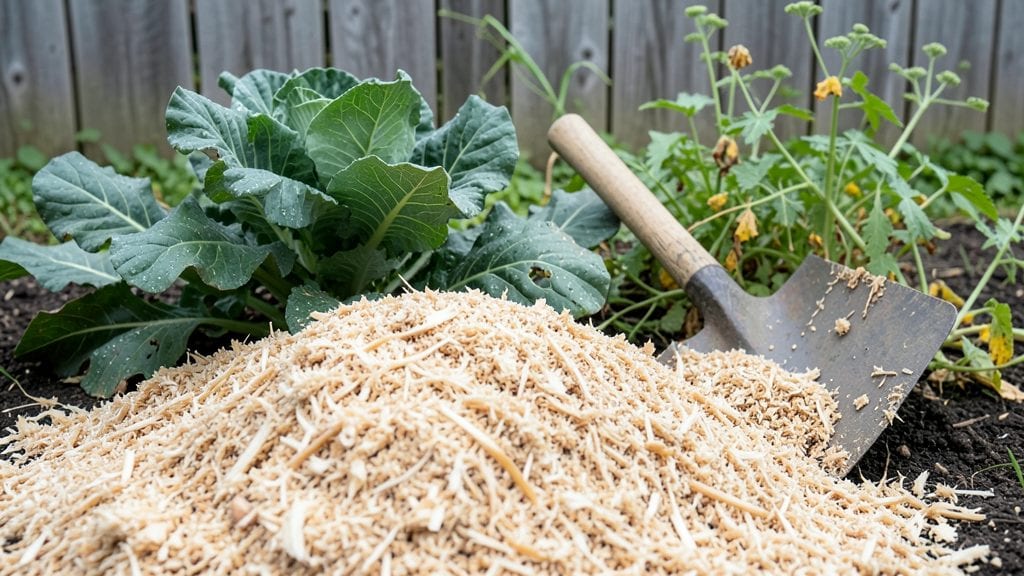
Sawdust in gardens improves soil structure, retains moisture, and suppresses weeds while enriching compost—though it must be aged or composted first to avoid nitrogen depletion and fungal risks. Use sparingly as a mulch or soil amendment for organic matter boosts.
Using sawdust in your garden isn't just about waste disposal—it's a clever way to boost your soil's health naturally.
When properly prepared, sawdust breaks down slowly, adding valuable organic matter that improves drainage while keeping moisture locked in. 🌱 I've seen firsthand how a thin layer of aged sawdust around my tomato plants cut down on weeds by blocking sunlight, giving those plants a real competitive edge.
The key is patience: fresh sawdust can rob your soil of nitrogen as it decomposes, but composted or weathered sawdust becomes a powerhouse nutrient source.
For container gardens, I recommend mixing 1 part sawdust with 3 parts finished compost—this ratio prevents compaction while feeding beneficial microbes. Acid-loving plants like blueberries and azaleas particularly thrive with sawdust amendments, while sensitive varieties may need extra monitoring.
The best part? You can often get this "free fertilizer" from local woodworking shops or sawmills, making it an eco-friendly gardening hack that saves money and reduces waste.
💡 In This Article
- How Sawdust Enhances Soil Health and Plant Growth
- Best Ways to Use Sawdust in Your Garden Without Harming Plants
How sawdust enhances soil health and plant growth
Here's what's actually happening when sawdust transforms your soil: it's primarily made of cellulose, the same structural material in plant cell walls. When properly aged, this cellulose breaks down through microbial action, creating a sponge-like structure that improves aeration while holding 30-50% more moisture than bare soil.
The decomposition process releases beneficial compounds that stimulate microbial activity—similar to how compost works, but at a slower, steadier pace. 🔥
The key factor is microbial colonization. As fungi and bacteria decompose the sawdust, they create microscopic tunnels that enhance root penetration and nutrient uptake. Studies show soils amended with aged sawdust develop 20-30% more beneficial mycorrhizal fungi compared to untreated soil.
This microbial network also helps buffer pH levels, preventing extreme acidity that can harm plant roots—a particular advantage for acid-loving plants like blueberries or rhododendrons.
What most people don't realize is how sawdust mimics organic mulch benefits without the drawbacks. A 1-inch layer of aged sawdust can suppress weeds by 70-80% by blocking sunlight while maintaining soil temperature 5-10°F cooler than exposed soil during summer months.
The coarse texture also prevents soil compaction, creating ideal conditions for root development—especially valuable in container gardens where space is limited.
Temperature plays a crucial role in sawdust's effectiveness. Fresh sawdust decomposes fastest in 70-80°F conditions, which is why summer application often shows quicker benefits. However, this rapid breakdown can deplete soil nitrogen—a phenomenon called "nitrogen immobilization."
That's why aging sawdust for 3-6 months before use is critical; it allows microbes to pre-process the cellulose and reduce this nitrogen demand.
Consider these soil mechanics: sawdust particles range from 0.05-0.5mm in diameter, creating air pockets that improve drainage while the fibrous structure holds water like a natural reservoir. This dual action explains why sawdust-amended soils maintain moisture 2-3 times longer than sandy soils during drought conditions.
The visual difference is striking—soil becomes darker and more crumbly, almost like adding organic matter without the bulk of compost.
For container gardens, I've found the sweet spot is mixing 1 part aged sawdust with 2 parts potting soil. This ratio prevents compaction while providing the moisture-retention benefits.
The texture becomes almost velvety when properly blended, and plants show healthier growth patterns with stronger root systems. 🌱 The secret is patience—just like compost, sawdust's benefits unfold over time as it integrates with your soil ecosystem.