
Fertilization
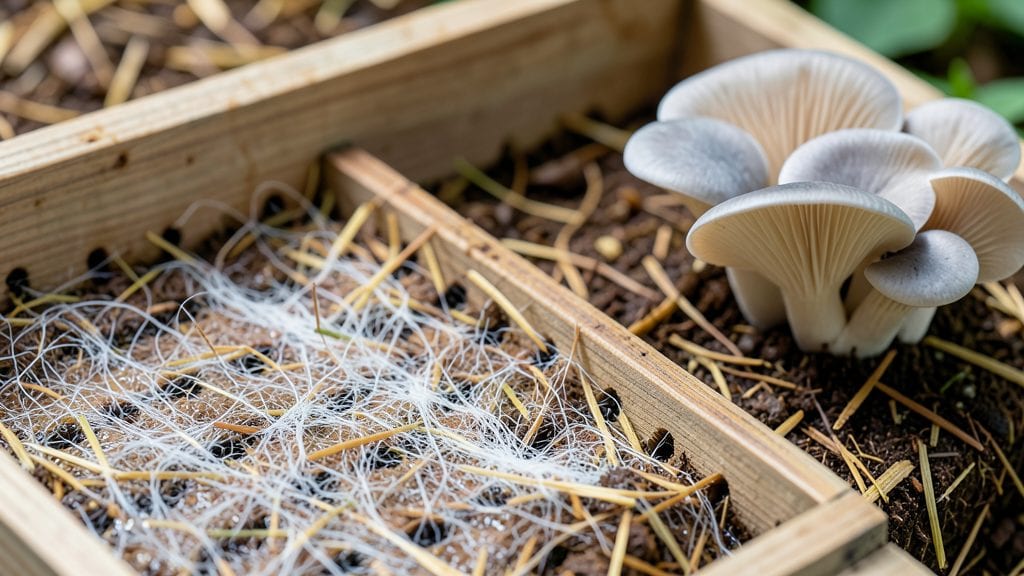
When your garden soil fights back with fungus, the battle isn’t just against visible mold—it’s about protecting the invisible army of beneficial microbes that keep plants thriving. 🌱 I’ve spent years diagnosing fungal issues in my own soil, and the key difference between harmful and helpful fungi comes down to balance, not eradication.
The goal isn’t to sterilize your soil but to restore harmony so mycorrhizae and other allies can outcompete the troublemakers.
Most gardeners panic at the first sign of powdery mildew or root rot, reaching for harsh chemicals that wipe out everything—good and bad. Instead, think of soil health like a ecosystem: proper drainage, organic matter, and smart crop rotation create conditions where beneficial fungi flourish naturally.
A simple soil test can reveal whether your pH and nutrient levels are supporting this balance, and compost tea or neem oil can give the good guys a fighting chance without harming them.
What you’ll achieve is soil that looks alive—dark, crumbly, and teeming with microbial activity—while keeping fungal problems at bay. Plants develop stronger roots, resist disease better, and grow with that vibrant green vitality that signals true soil health.
The secret lies in working with nature’s systems rather than against them, and the results speak for themselves in stronger harvests and fewer headaches.
This approach works for vegetable gardens, flower beds, and even container mixes, adapting to your specific climate and plant needs. The first step is understanding which fungi are helping and which are hurting—then giving the good ones the upper hand. Let’s get your soil back in balance.
Root Causes Of Fungal Imbalance
Fungal imbalances in garden soil—where beneficial mycelium networks thrive alongside problematic molds—rarely happen by accident. Instead, they’re the result of disrupted microbial ecosystems, often triggered by human or environmental factors.
Understanding these causes helps you prevent them or correct them without harming the soil’s delicate balance. Below are the most common culprits, explained clearly.
Fungi, like all living organisms, have optimal temperature ranges. When soil heats up too quickly (e.g., direct sunlight after rain) or drops too low (frost or cold snaps), pathogenic molds often outcompete beneficial fungi. Here’s why:
- Heat stress: Temperatures above 85°F (29°C) can kill beneficial mycelium while allowing Aspergillus or Rhizoctonia (common soil pathogens) to thrive. These molds produce heat-resistant spores that persist.
- Cold shock: Freezing soil disrupts fungal hyphae (thread-like structures), creating gaps where water molds (like Phytophthora) take over, especially in waterlogged conditions.
- Actionable fix: Use mulch (straw, wood chips) to insulate soil and maintain 60–75°F (15–24°C). For cold climates, add composted leaf mold—a natural fungal buffer.
Synthetic fertilizers, pesticides, and even some organic amendments (like unbalanced compost) can sterilize soil, leaving only the hardiest fungi behind. The problem?
- Salt buildup: High-sodium fertilizers (e.g., potassium chloride) create hypertonic conditions, dehydrating beneficial fungi while favoring osmophilic molds (like Penicillium species).
- Chlorine & copper: Disinfectants (e.g., bleach, copper fungicides) kill 90% of soil microbes within days, leaving only spore-forming molds to recolonize.
- Actionable fix:
- Test soil pH (6.0–7.0 is ideal for most fungi). Use elemental sulfur to lower pH if needed.
- Replace synthetic fertilizers with biochar or worm castings, which support fungal diversity.
- Avoid vinegar or hydrogen peroxide for sterilization—opt for steam pasteurization (180°F/82°C for 30 mins) instead.
Fungi need moisture but not drowning. When soil stays soggy for days, anaerobic conditions develop, favoring water-loving molds like Pythium and Fusarium. Here’s the science:
- Oxygen depletion: Water displaces air in soil pores, suffocating aerobic fungi (e.g., Trichoderma) while facultative anaerobes (molds that can survive without oxygen) multiply.
- Root exudate buildup: Waterlogged roots release simple sugars, which feed fast-growing molds like Rhizopus.
- Actionable fix:
- Improve drainage with sand or perlite (20% mix) or raise beds.
- Use mycorrhizal inoculants (e.g., Glomus species) to help plants tolerate moisture stress.
- Avoid overwatering—stick to 1 inch per week and water deeply but infrequently.
Beneficial fungi compete for nutrients. If their food—complex organic matter—is missing, opportunistic molds (like Mucor) dominate. Key triggers:
- Over-processed compost: Finely shredded, heat-treated compost lacks lignin and cellulose, which mycelium needs to grow.
- Monoculture gardening: Planting the same crop (e.g., tomatoes) year after year depletes soil of fungal-specific nutrients, like chitin and glucans.
- Actionable fix:
- Add chop-and-drop mulch (e.g., oak leaves, straw) to feed fungi directly.
- Rotate crops with legumes or brassicas, which release fungal-friendly compounds.
- Inoculate soil with wood chip mulch (untreated hardwood) to jumpstart mycelium growth.
Some fungi are secondary invaders, thriving only after other organisms (like nematodes or root-feeding insects) damage plant roots. For example:
- Root-knot nematodes: Their feeding wounds create entry points for Fusarium or Verticillium wilt fungi.
- Grubs & cutworms: Their burrows disrupt soil structure, allowing water molds to spread rapidly.
- Actionable fix:
- Introduce beneficial nematodes (Steinernema species) to control pests before fungal outbreaks.
- Use neem cake or garlic spray to deter soil pests without harming fungi.
- Plant trap crops (e.g., marigolds) to divert pests away from main plants.
Quick Fixes for Fungus in Garden Soil
Fungal growth in your garden soil can feel like a sneaky intruder—silent at first, then spreading before you know it. But the good news? You don’t need harsh chemicals to tackle it. With the right approach, you can restore balance to your soil while keeping beneficial microbes thriving.
Below, we’ve mapped common causes to practical, soil-friendly solutions—plus prevention tips to keep fungus at bay for good.
Cause: Too much moisture or compacted soil creates the perfect damp, dark environment for fungus to thrive. Fix:
- 🔥 Improve Drainage – Amend your soil with coarse sand, perlite, or composted bark to break up clay or heavy soil. Aim for a mix that drains within 24 hours after watering.
- 🍳 Adjust Watering Habits – Water deeply but less frequently (early morning is best). Use a moisture meter to check—soil should feel damp but not soggy.
- 👨🍳 Build Raised Beds – If your garden is flood-prone, consider raised beds with a gravel base for better airflow.
💡 Pro Tip: Mulch with straw or wood chips (not fresh wood) to regulate moisture without smothering microbes.
Cause: A surplus of fresh plant debris (like leaves or grass clippings) feeds fungus instead of beneficial bacteria. Fix:
- 🔪 Trim Back Overgrowth – Remove excessive leaf litter or weeds, but compost them properly (turn piles regularly to heat them up and kill fungal spores).
- 🥘 Add Microbial Boosters – Sprinkle mycorrhizal fungi (available as powders or granules) to encourage a healthy fungal-bacteria ratio.
- 🌡️ Use Heat to Reset – If a small area is severely infected, solarize the soil by covering it with clear plastic for 4–6 weeks in hot sun (kills pathogens without chemicals).
✨ Prevention: Alternate layers of green (nitrogen-rich) and brown (carbon-rich) compost to create a balanced environment.
Cause: Soil that’s too hot (like in plastic-covered beds) or too cold (waterlogged in winter) weakens microbial defenses. Fix:
- 🌡️ Regulate Temperature –
- Hot soil? Shade with row covers or shade cloth (30–50% coverage).
- Cold soil? Add straw mulch as insulation and improve airflow with a light tilling (no deeper than 2 inches).
- 🎯 Aerate Gently – Use a broomstick or aeration fork to poke holes in compacted soil without disturbing roots.
💡 Pro Tip: Worm castings (vermicompost) introduce beneficial microbes that outcompete harmful fungus—mix 1 cup per square foot of soil.
Cause: Old pesticides, fertilizers, or an unbalanced pH (too acidic or alkaline) disrupt microbial life. Fix:
- 📊 Test Your Soil – Use a DIY pH test kit (aim for 6.0–7.0 for most plants). Adjust with:
- Lime (to raise pH) or sulfur (to lower pH).
- 💪 Flush Out Chemicals – If past pesticides were used, leach the soil by watering heavily for 2–3 weeks, then top-dress with 3 inches of compost.
- 🥗 Feed the Good Guys – Apply compost tea (brewed from aged compost) to reintroduce diverse microbes.
🔥 Warning: Avoid vinegar or bleach—they kill all microbes, not just the bad ones.
Once you’ve addressed the immediate issue, keep fungus from returning with these habits:
- 🌿 Rotate Crops – Avoid planting the same family (e.g., tomatoes, peppers) in the same spot yearly.
- 🍂 Plant Fungus-Repellent Companions – Interplant with garlic, chives, marigolds, or thyme—their natural compounds deter fungal growth.
- 🔄 Maintain Soil Health – Every season, add 1–2 inches of compost to feed microbes and improve structure.
Final Note: Patience is key—soil recovery takes time, but with these steps, your garden will bounce back stronger and more resilient. 🌱💚
Frequently asked questions
How do I tell if my garden soil has harmful fungus vs. beneficial mycorrhizae?
Look for visual clues: harmful fungus often appears as fuzzy white, black, or green mold on plant surfaces or rotting roots, while mycorrhizae are invisible to the naked eye but create a healthy, dark, crumbly soil with strong plant growth. Test for harmful fungi by checking for wilting, yellowing leaves, or stunted growth—mycorrhizal plants thrive with vibrant foliage and robust root systems.
Can I still use my soil if I find fungus growing in it?
Yes, but only if it’s beneficial fungus like mycorrhizae. If you see pathogenic signs (e.g., powdery mildew, root rot), improve drainage, add composted wood chips, and avoid overwatering. For severe cases, solarize the soil (cover with clear plastic for 4–6 weeks) to kill pathogens without chemicals.
What’s the fastest way to restore microbial balance in fungus-prone soil?
Start with worm castings (1 cup per square foot) to reintroduce beneficial microbes, then top-dress with aged compost and mycorrhizal inoculant. Mulch with straw or wood chips to regulate moisture and temperature—this combo rebuilds fungal diversity in 4–6 weeks.
Will neem oil or hydrogen peroxide kill all soil fungus, good or bad?
No—both are broad-spectrum and will harm beneficial microbes. Neem oil targets specific pathogens but can disrupt soil balance if overused. For fungus control, opt for compost tea or garlic spray, which selectively suppress harmful fungi while supporting mycorrhizae.
How often should I test my soil for fungal balance?
Test annually in spring, especially if you’ve had fungal issues. Use a DIY soil test kit to check pH (6.0–7.0 ideal) and microbial activity. For proactive care, monitor plant health—strong roots and lush growth signal a balanced fungal ecosystem.