
Tools
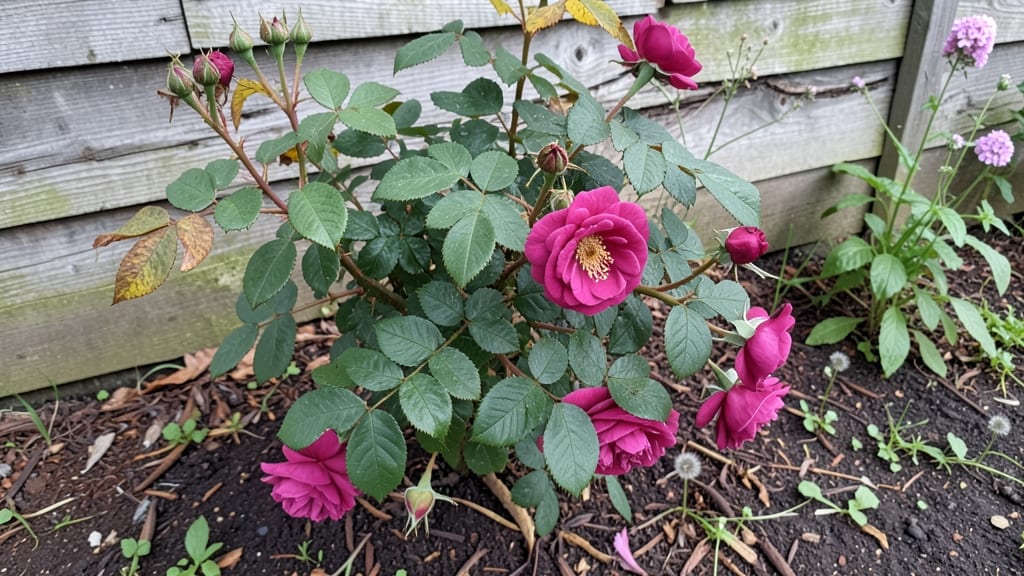
A rose backyard garden transforms your outdoor space into a fragrant, ever-changing masterpiece that keeps giving year after year. 🌹 I learned the hard way that roses aren’t just pretty—they’re the backbone of a garden that feels like a hug every time you walk through it.
The key isn’t just planting them; it’s layering them with companion plants, structuring the space for airflow and sunlight, and choosing varieties that thrive in your climate.
Start with a layout that highlights roses as the stars. I placed my climbing roses along the fence to create a living curtain, while shrub roses frame the seating area. Add pathways of crushed gravel or stepping stones to keep the garden accessible without trampling delicate blooms.
The right mix of roses—like disease-resistant Knock Outs for low-maintenance areas and fragrant David Austins for drama—makes all the difference.
By summer, you’ll have a garden that smells like a bouquet on a warm breeze, with layers of color from early blooms to late-season roses. The secret’s in the details: pruning at the right time, mulching to protect roots, and pairing roses with lavender or catmint to keep pests away.
Even in winter, the bare branches have character, especially when dusted with frost.
This design works for any backyard—whether you’re going for a romantic cottage vibe or a sleek modern look. The framework stays the same: roses as the focal point, with supporting plants and hardscape to tie it all together. Ready to turn your yard into a fragrant sanctuary?
📚 In This Guide
- What you need
- Instructions
- Tips and common mistakes
- Wrapping up and next steps
What you need
- ● Rose bushes (3–10 plants, depending on garden size): Hybrid teas, floribundas, or climbers (choose disease-resistant varieties like Knock Out® or David Austin®)
- ● Bareroot or potted plants (1–3 gallons per bush)
- ● High-quality soil (2–3 cubic yards for a 10’x10’ garden): Well-draining, slightly acidic (pH 6.0–6.5) mix
- ● Compost or aged manure (1–2 bags per bush)
- ● Organic mulch (2–3 inches): Wood chips, straw, or pine bark (avoid dyed mulch)
- ● Fertilizer: Balanced rose fertilizer (10-10-10 or 5-10-5)
- ● Slow-release granules or liquid feed (follow label rates)
- ● Hand trowel (for planting and soil prep)
- ● Pruning shears (bypass pruners, sharp and clean)
- ● Garden gloves (heavy-duty for thorny roses)
- ● Watering can or hose (with adjustable nozzle)
- ● Shovel and spade (for digging and aeration)
- ● Measuring tape (to space plants 18–36” apart)
- ● Rose trellis or arbor (for climbing varieties)
- ● Drip irrigation system (for consistent watering)
- ● Epsom salt (for magnesium boosts, 1 tbsp per gallon of water)
- ● Pest control (neem oil or insecticidal soap)
- ● Decorative stones or edging (for a polished look)
Step-by-step instructions for designing a fragrant rose backyard garden
Here’s how to create a layered, fragrant rose garden that thrives year after year.
🌱 Step 1: Choose and Prepare Your Planting Site
Select a spot that gets at least 6 hours of direct sunlight daily—roses are sun-worshippers and won’t bloom well in shade. Test your soil’s drainage by digging a 12-inch hole and filling it with water. If it drains within 2 hours, your soil is good; if not, amend it with organic matter like compost or peat moss to improve airflow.
Clear the area of weeds and grass, then loosen the soil to a depth of 12-18 inches using a garden fork. This helps roots spread easily. If your soil is heavy clay, mix in sand or perlite to lighten it—roses hate soggy feet. I like to mark the planting area with stakes or string to keep the design neat while I work.
🪴 Step 2: Plant Roses in Layers for Continuous Bloom
Start with 4 rose bushes—mix 2 shrub roses (like ‘Knock Out’ or ‘Dr. Huey’) for structure, 1 climbing rose (like ‘New Dawn’) for vertical interest, and 1 fragrant hybrid tea (like ‘Double Delight’) for classic blooms. Space them 3-5 feet apart, depending on the variety’s mature size. Dig holes twice as wide and deep as the root ball to encourage root spread.
Place each rose in its hole, ensuring the graft union (the swollen bump on the stem) sits 2 inches above soil level. This prevents it from being buried, which can kill the plant. Backfill with the removed soil, tapping gently to eliminate air pockets. Water deeply to settle the soil and remove any air gaps around the roots.
☀️ Step 3: Add Mulch and Support Structures
Spread 3 inches of organic mulch (like shredded bark or pine straw) around each plant, keeping it 2 inches away from the stem to prevent rot. Mulch conserves moisture, regulates soil temperature, and suppresses weeds—just what roses need. For climbing roses, install trellises or obelisks right away. I like to bury the base of the support 6 inches deep for stability.
Water the entire garden deeply after planting, soaking the soil to a depth of 12 inches. This helps roots establish quickly. Avoid overhead watering at first—it can spread disease. Instead, use a soaker hose or drip irrigation to deliver water directly to the roots. You’ll know you’ve done it right when the soil feels moist but not soggy down to your wrist.
✂️ Step 4: Prune for Shape and Health
Prune new roses immediately after planting to remove any damaged or crossing branches. Cut just above an outward-facing bud (the little bump where leaves or stems grow) to encourage airflow and future blooms. For hybrid teas, trim back one-third of the plant’s height, while shrub roses can stay slightly taller. This step sets the stage for strong, bushy growth next season.
Remove all dead or yellowing leaves and spent blooms as you go—this reduces disease risk and redirects the plant’s energy into new growth. I like to sterilize my pruners with rubbing alcohol between cuts to prevent spreading bacteria. Watch for new shoots emerging from the base—these are signs your roses are happy and ready to thrive.
💧 Step 5: Establish a Watering and Fertilizing Routine
Water deeply 2-3 times per week during the first growing season, aiming for 1-1.5 inches of water per week. Let the top 2 inches of soil dry out between waterings to prevent root rot. Use a moisture meter or stick your finger into the soil to check—if it feels dry, it’s time to water. Morning watering is best to reduce evaporation and fungal risks.
Fertilize every 6-8 weeks with a balanced rose fertilizer (like 10-10-10) during the growing season. Follow the package instructions, but I halve the dose for newly planted roses—they’re sensitive to overfeeding. Stop fertilizing in late summer to allow the plant to harden off for winter. You’ll notice darker green leaves and more buds as a sign your roses are thriving.
Tips & tricks for perfect rose backyard garden design
Creating a fragrant rose garden that thrives takes more than just planting—here are the secrets to making your roses flourish for years.
Sunlight Strategy: Those 6 hours of direct sunlight are non-negotiable, but I’ve learned that morning sun (6 AM–12 PM) is even better than afternoon heat. If your garden gets intense afternoon sun, consider adding 30% shade cloth during peak summer hours to prevent leaf scorch. Roses can handle heat, but they’ll reward you with more blooms if they’re not stressed by midday intensity.
Soil Secrets: The 12-inch drainage test is your best friend—if water sits longer than 2 hours, you’re dealing with poor drainage. I’ve found that mixing in 1 part perlite to 3 parts compost creates the perfect airy soil roses love. For heavy clay soils, work in sand gradually—too much at once can actually make drainage worse. Think of it like adding olive oil to a stiff cake batter—just enough to loosen things up.
Planting Precision: That 2-inch graft union above soil level is critical—it’s the plant’s lifeline. I’ve ruined two rose bushes by burying the graft, and they just gave up. Mark the depth with a small stake before planting to avoid this mistake. Also, when digging holes twice as wide and deep as the root ball, don’t compact the soil back in too tightly. Tap the sides gently with a garden fork to settle it naturally—this prevents air pockets that can strangle new roots.
Mulch Magic: The 3 inches of organic mulch keeps weeds at bay and locks in moisture, but placement matters. Keep it 2 inches away from stems—too close creates rot. I’ve had great success with pine straw because it breaks down slowly and adds acidity, which many roses prefer. For extra fragrance, sprinkle a light layer of crushed rose petals from last season’s blooms into the mulch—it’s like giving your roses a perfume reminder of their purpose!
Pro Tips for Rose Backyard Garden
- Creating a fragrant rose garden that thrives takes more than just planting—here are the secrets to making your roses flourish for years.
- Sunlight Strategy: Those 6 hours of direct sunlight are non-negotiable, but I’ve learned that morning sun (6 AM–12 PM) is even better than afternoon heat.
- Soil Secrets: The 12-inch drainage test is your best friend—if water sits longer than 2 hours, you’re dealing with poor drainage.
Frequently asked questions
Got questions about creating your dream rose backyard garden? You’re not alone! Here are answers to the most common queries to help you grow confidently and beautifully.
What’s the best time of year to plant roses in my garden?
For most climates, early spring (after the last frost) or early fall (6-8 weeks before the first frost) are ideal. Spring gives roses time to establish roots before summer heat, while fall planting allows them to settle in before winter dormancy. If you’re in a warm zone, winter planting can also work—just avoid extreme heat or cold!
How much sunlight do roses really need, and what if my yard is shady?
Roses thrive in full sun (6-8 hours of direct sunlight daily). If your yard is shady, opt for disease-resistant varieties like ‘Knock Out’ roses or climbers that tolerate partial shade (4-6 hours of sun). Pair them with taller plants to filter harsh afternoon light and improve airflow—roses hate soggy roots!
Why are my rose leaves turning yellow, and how do I fix it?
Yellow leaves often signal overwatering, nutrient deficiency, or fungal issues. Check the soil moisture (roses prefer well-draining soil), adjust your watering schedule, and fertilize with a balanced rose food (10-10-10) in early spring. If yellowing spreads with black spots, it’s likely black spot disease—prune affected leaves and apply a fungicide.
Are there budget-friendly ways to start a rose garden without buying mature plants?
Try grafted rose cuttings (buy bare-root roses in winter and propagate them), layering (bend a low branch to the ground and bury it), or seedling roses from hybrid teas (slower but rewarding). Local nurseries often sell potted roses on sale in late summer—perfect for a budget-friendly boost!
How do I keep pests like aphids and Japanese beetles away from my roses?
Prevent pests with neem oil sprays (natural and effective) or companion planting (marigolds repel beetles!). For severe infestations, handpick beetles early in the day (they’re sluggish then) or use pyrethrin-based sprays. Encourage ladybugs—they’re aphid hunters! Prune regularly to improve airflow and reduce hiding spots for pests.
Wrapping up and next steps
Creating a fragrant rose backyard garden is more than just a hobby—it’s an investment in beauty, tranquility, and lasting memories. By layering roses with complementary plants, you’ve crafted a space that thrives year-round, filling your garden with scented magic and vibrant colors.
Whether you’re a seasoned gardener or just starting, every bloom is a step toward a lush, sensory-rich oasis.
Now that you’re inspired, take the next step! Sketch your dream layout, gather your tools, and let the first rose cuttings or bulbs mark the beginning of your fragrant journey. Happy gardening—your backyard sanctuary awaits! 🌹✨