
Tools
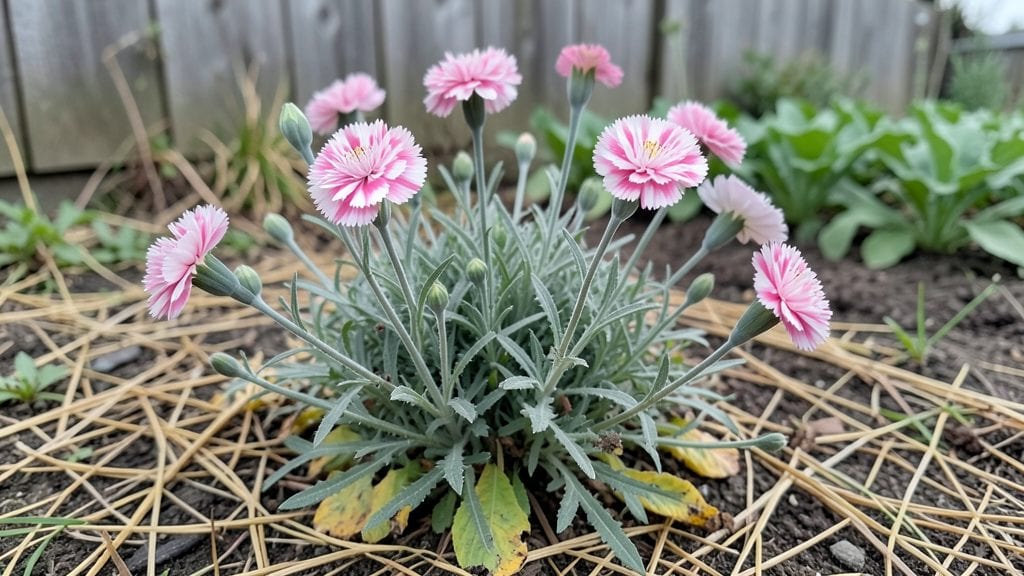
A backyard carnation garden transforms any space into a fragrant, ever-blooming retreat with minimal effort. 🌸 I’ve designed mine along the garden’s sunny edge, where the scent of clove-sweet petals lingers long after the blooms fade—turning summer strolls into sensory experiences.
The key is mixing heights and colors: short varieties like ‘Chou Chou’ hug the borders, while tall ‘Spray’ types reach for the sky, creating layers that catch the light at every angle.
Start with well-draining soil and full sun—carnations thrive where others falter. Group them by color for bold impact or scatter them among perennials like lavender and catmint for a cottage-garden charm.
Spacing matters too: give each plant 12–18 inches of room to prevent crowding, and deadhead spent blooms to coax nonstop summer-to-fall flowers. The payoff? A garden that smells like a grandma’s porch but requires less fuss than a high-maintenance rose bed.
By autumn, your garden will be a magnet for bees and butterflies, their wings dusted with pollen as they flit between blooms. The secret weapon? Planting in odd-numbered clusters—it tricks the eye into seeing more flowers than you’ve actually grown.
Mix in a few biennials like sweet william for winter interest, and you’ll have a showstopper that keeps giving year after year.
Works for borders, containers, or even a single dramatic swath along a fence. Whether you’re a beginner or a seasoned gardener, carnations deliver bold color, long seasons, and zero drama. Let’s get planting!
📚 In This Guide
- What you need
- Instructions
- Tips and common mistakes
- Wrapping up and next steps
What you need
- ● Carnation plants: 12–24 healthy perennials (choose varieties like Dianthus caryophyllus for fragrance and color).
- ● Well-draining soil: 5–10 bags of potting mix or garden soil (amend with compost for nutrients).
- ● Fertilizer: 1–2 lbs of balanced (10-10-10) or phosphorus-rich fertilizer for blooms.
- ● Mulch: 2–3 cubic feet of organic mulch (e.g., straw or shredded bark) to retain moisture.
- ● Watering can or hose: With a gentle spray nozzle for even hydration.
- ● Garden gloves: A pair to protect your hands from thorns and soil.
- ● Trowel or hand shovel: For digging and transplanting.
- ● Pruners: Sharp, clean pruners for trimming dead blooms.
- ● Measuring tape or ruler: To space plants 12–18 inches apart.
- ○ Garden stakes or trellis (optional): For taller varieties like Dianthus gratianopolitanus.
- ● Slow-release fertilizer tablets: For low-maintenance nutrition.
- ● Drip irrigation system: To automate watering.
- ● Decorative stones or edging: To define garden borders.
- ● Fragrance-enhancing companion plants: Like lavender or rosemary.
How to create a thriving backyard carnations garden
Here’s my go-to approach for planting carnations that reward you with vibrant blooms year after year.
🌱 Step 1: Choose the Perfect Planting Spot
Carnations love full sun—at least 6-8 hours daily. Scout your yard for a spot with minimal shade, especially in the afternoon when sun is strongest. I always check for at least 5 hours of direct sunlight before committing—this prevents weak, leggy growth.
Well-draining soil is non-negotiable. Carnations hate soggy roots, so avoid low areas where water pools. If your yard has heavy clay, amend the soil with 3-4 inches of compost before planting to improve drainage and fertility. You’ll know you’ve picked the right spot when the soil feels loose and crumbly when squeezed.
🌱 Step 2: Prepare the Soil for Healthy Growth
Loosen the soil to a depth of 12 inches with a garden fork or tiller. This breaks up compacted layers so roots can spread easily. I like to work in a handful of balanced 10-10-10 fertilizer per square foot—this gives carnations a nutrient boost without overwhelming them.
Level the soil surface with your hands or a rake, removing any rocks or debris. The goal is a smooth, even bed where roots can establish without obstruction. Carnations thrive in soil with a pH between 6.5-7.0—if your soil tests acidic, add a bit of lime to raise the pH gradually.
🪴 Step 3: Plant Carnations at the Right Depth and Spacing
Dig holes twice as wide as the root ball but only as deep as the container’s base. Gently remove plants from their pots and tease apart any tangled roots. Place each carnation in its hole, ensuring the top of the root ball sits just below soil level—burying too deep can suffocate the plant.
Space carnations 12-18 inches apart in rows 18-24 inches apart. This gives them room to grow without competing for nutrients. Water each hole deeply before planting to help roots settle into the soil. You’ll see strong, upright growth within weeks if spacing and depth are correct.
☀️ Step 4: Water and Mulch for Long-Term Success
Water carnations deeply once a week—aim for 1 inch of water per week, more during hot spells. I use a soaker hose to deliver moisture at the base without wetting the foliage, which reduces disease risk. Water in the morning so leaves dry quickly, preventing fungal issues.
Apply 2-3 inches of mulch around each plant, keeping it 2 inches away from the stem. Organic mulch like shredded bark or straw helps retain moisture and regulates soil temperature. Replenish mulch as it breaks down—this keeps roots cool in summer and protected in winter.
✂️ Step 5: Prune and Maintain for Continuous Blooms
Deadhead spent blooms by pinching off the flower head just above the first set of healthy leaves. This encourages the plant to produce more flowers instead of setting seed. I also trim back leggy stems in early spring to promote bushier growth—this keeps carnations compact and full.
Fertilize lightly every 4-6 weeks during the growing season with a low-nitrogen, high-phosphorus fertilizer to boost flowering. Carnations are drought-tolerant once established, but they’ll reward you with more blooms if you keep soil consistently moist. Watch for pests like aphids—spray with soapy water if you spot them early.
Tips & tricks for perfect backyard carnations
Here's what I've learned after years of growing these fragrant beauties—these small details make all the difference between a decent garden and one that truly thrives.
Sunlight Secret: That 6-8 hours of daily sun is non-negotiable, but here's the thing—morning sun is your best friend. I've found carnations planted in spots with afternoon shade (especially in hot climates) actually produce fewer blooms. If you must compromise, prioritize morning sun exposure over afternoon shade. You'll notice the difference in just a few weeks when your plants start reaching for that golden morning light.
Soil Test Tip: Before you dig, grab a soil test kit from your local garden center—it's cheap insurance. Carnations prefer that 6.5-7.0 pH range, but many soils run acidic. If your test shows pH below 6.5, sprinkle dolomitic lime into your planting holes (about 1/2 cup per hole) and mix it in. This small step prevents yellowing leaves and boosts bloom production dramatically.
Planting Depth Hack: When checking that root ball depth in Step 3, here's my pro move: use a small stick or pencil to mark the soil level on the pot before removing the plant. This gives you a perfect reference point to ensure you're planting at exactly the right depth. I've buried too many carnations too deep by eye—this simple trick saves you from suffocating roots.
Watering Wisdom: That once-a-week watering guideline works for established plants, but new transplants need more frequent attention. For the first two weeks after planting, water every other day to help roots establish. The key is keeping soil consistently moist—not soggy—during this critical root development phase. A moisture meter is worth its weight in gold here.
Pro Tips for Backyard Carnation Garden
- Here's what I've learned after years of growing these fragrant beauties—these small details make all the difference between a decent garden and one that truly thrives.
- Sunlight Secret: That 6-8 hours of daily sun is non-negotiable, but here's the thing—morning sun is your best friend.
- Soil Test Tip: Before you dig, grab a soil test kit from your local garden center—it's cheap insurance.
Frequently asked questions
Got questions about creating your own fragrant carnation garden? You’re not alone! Here are answers to the most common queries from gardeners just like you.
When is the best time to plant carnations in my backyard?
For spring-blooming varieties, plant in early spring (after the last frost) or late summer (6–8 weeks before the first frost). Fall-blooming types thrive when planted in late summer. Carnations are hardy perennials, so timing ensures strong root establishment before extreme weather—ideal for those season-after-season blooms you love!
How often should I water my carnation garden?
Water deeply 1–2 times per week (more in extreme heat or sandy soil). Carnations dislike soggy roots, so ensure good drainage. Mulching helps retain moisture while preventing weeds. Pro tip: Water at the base (not leaves) to avoid fungal diseases like powdery mildew—keep those blooms healthy and vibrant!
What pests or diseases should I watch for in my carnation garden?
Common issues include aphids, spider mites, and whiteflies (use neem oil or insecticidal soap). Powdery mildew (white fungal spots) thrives in humidity—space plants for airflow and prune for circulation. Prevention tip: Rotate crops yearly to reduce soil-borne diseases like carnation blight.
Can I grow carnations in containers instead of a full backyard garden?
Dwarf varieties (like ‘Mini Star’) thrive in 5–7 gallon pots with drainage holes. Use well-draining potting mix and place in full sun (6+ hours/day). Containers let you move plants to avoid frost or pests—perfect for small spaces or renters!
How do I deadhead carnations to encourage more blooms?
Snip spent blooms just above a set of leaves or buds with clean pruners. This redirects energy to new growth. Bonus: Trim leggy stems to promote bushiness. Deadheading keeps your garden lush and flowering all season—no wasted effort!
Wrapping up and next steps
Creating a backyard carnation garden is a rewarding way to enjoy fragrant, long-blooming perennials that bring color and charm to your space year after year! 🌸 With the right soil, sunlight, and care, you’ll have a vibrant display that thrives season after season—plus, carnations are easy to grow once you get the hang of it.
Ready to take the next step? Start small with a few plants, experiment with varieties, and soon, your garden will be the talk of the neighborhood. Happy planting! 🌱