
Tools
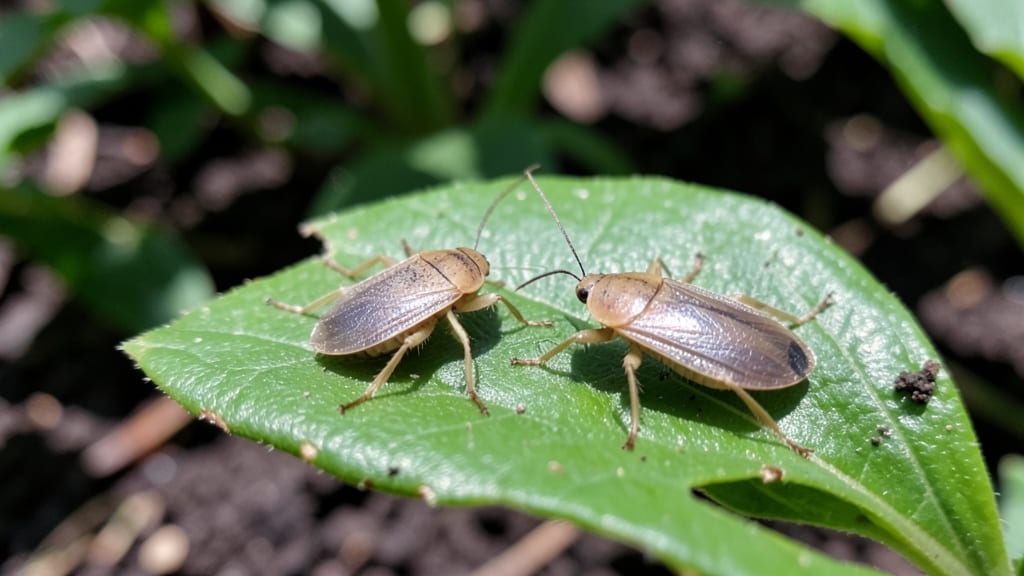
Roaches in your garden aren’t just a nuisance—they can damage plants, spread disease, and make outdoor time miserable. 🌿 I’ve battled them in my own yard, and the key isn’t chemicals but smart, humane traps that work with nature.
The right setup keeps them out without harming beneficial insects or your soil.
Most people grab sprays first, but roaches thrive in clutter and moisture. Instead, focus on sealing entry points, reducing hiding spots, and using traps that lure them away.
My go-to method combines simple household items with natural attractants—no toxic fumes, just effective results. You’ll see fewer roaches within a week if you act fast.
What you’ll get is a garden that stays clean, healthy, and pest-free—without the harsh side effects of pesticides. Plants grow stronger, and you can enjoy your outdoor space without worrying about unwanted guests. The best part? These traps are cheap, reusable, and safe for kids and pets.
Works for cockroaches, earwigs, and even crickets—no matter the season. Let’s get those pests out for good, the natural way.
Why it happens
Roaches in your garden aren’t just a nuisance—they’re drawn by specific conditions that turn your outdoor space into an all-you-can-eat buffet. Understanding why they show up helps you address the root causes, not just the symptoms. Here’s a breakdown of the key factors that make your garden a roach magnet.
Roaches are opportunistic feeders, and your garden likely offers more than you realize. German, American, and Oriental cockroaches (the most common garden invaders) thrive on:
- Decaying organic matter: Piles of leaves, compost heaps, or rotting fruit provide a protein-rich feast. Even a single overripe banana peel can attract a swarm within hours.
- Pet food left outdoors: Dog or cat bowls left unattended become a 24/7 roach buffet. Wet or spilled food is especially irresistible.
- Sugary substances: Honeydew from aphids, spilled soda, or even fruit flies’ leftover nectar can lure roaches from yards away.
- Human food waste: Trash cans without lids or compost bins that aren’t sealed are open invitations. Pro tip: Roaches can detect food sources up to 30 feet away using their antennae.
Actionable fix: Remove food sources immediately. Store trash in metal bins with tight-fitting lids, and avoid composting meat or dairy outdoors.
Roaches need moisture to survive—they can’t live more than a week without water. Your garden might be unintentionally providing hydration through:
- Leaky hoses or sprinklers: Even a slow drip creates a damp microclimate perfect for roaches to nest.
- Standing water: Clogged gutters, saucers under pots, or low-lying areas after rain become breeding grounds.
- Dew or high humidity: Shady, damp areas (like under mulch or dense foliage) trap moisture, making them ideal hiding spots.
- Pet water bowls: Left outside, these become roaches’ personal watering holes.
Actionable fix: Eliminate standing water, repair leaks, and use gravel or sand under pots to improve drainage. Keep mulch 3–4 inches away from plant stems to reduce humidity near roots.
Roaches seek dark, secluded spots to hide during the day and breed. Common garden hiding spots include:
- Woodpiles or debris: Stacked firewood, old boards, or leaf litter create cozy, undisturbed nests.
- Cracks in structures: Gaps in fences, sheds, or outdoor furniture provide easy entry points.
- Under rocks or logs: Natural debris offers year-round shelter from predators and weather.
- Plastic containers or pots: Overturned buckets or unsealed plant pots become roach condos.
Actionable fix: Store firewood at least 20 feet from your house and elevated off the ground. Seal cracks in structures with caulk or steel wool, and remove clutter regularly.
Roaches prefer warm, dark, and humid environments—conditions often found in gardens. Key triggers:
- South-facing or shaded areas: These spots stay warmer and more humid longer, especially in containers or mulch.
- Nighttime activity: Roaches are nocturnal, so they’re most active when your garden is cool and quiet.
- Heat-retaining surfaces: Black mulch, dark plastic pots, or asphalt paths radiate heat, making them attractive nesting sites.
Actionable fix: Use light-colored mulch (like pine straw) to reflect heat, and install outdoor motion-sensor lights to deter nighttime foraging. Keep garden beds well-aerated to reduce trapped warmth.
💡 Pro tip: Roaches follow each other’s scent trails. If one finds food or water, others will follow within 24 hours. Act fast to break the cycle!
Natural Ways to Outsmart Garden Invaders
Roaches in your garden aren’t just a nuisance—they can damage plants, contaminate soil, and even sneak into your home. The good news? You don’t need harsh chemicals to evict them. With the right strategies, you can eliminate existing pests and prevent future infestations using humane, eco-friendly methods.
Below, we’ve mapped common causes to practical fixes, plus pro tips to keep your garden roach-free long-term.
Cause: Roaches thrive in damp, humid environments. Leaky hoses, overwatered soil, or shaded, soggy areas create the perfect hideout. Fix:
- 💦 Audit water sources: Check for leaks in irrigation systems, dripping faucets, or standing water in pots/saucers. Fix or redirect moisture away from garden edges.
- ⚡ Improve drainage: Amend heavy clay soil with compost or sand to help water drain faster. Elevate containers slightly off the ground.
- ☀️ Sunlight is your ally: Trim overgrown plants to allow sunlight to dry out mulch and soil. Roaches avoid dry, sunny spots—so make your garden less inviting.
- 🌡️ Use silica gel or diatomaceous earth (DE): Sprinkle food-grade DE lightly around entry points (like under mulch or near foundations). It dehydrates roaches naturally—just reapply after rain.
💡 Pro Tip: Place baking soda in shallow dishes near damp areas. Roaches eat it, and it expands in their stomachs, causing them to avoid the spot.
Cause: Organic debris, fallen fruit, pet food, or compost piles act like an all-you-can-eat roach restaurant. Fix:
- 🗑️ Clear clutter: Rake up leaf litter, fallen branches, and fruit regularly. Store firewood at least 20 feet away from your home and garden.
- 🥬 Secure compost: Use a tightly sealed compost bin with a lid, and avoid adding meat/dairy scraps. Turn compost frequently to speed decomposition and reduce odors.
- 🍎 Harvest promptly: Pick ripe fruit and veggies from plants before they rot. If you have overripe produce, freeze or compost it immediately (not in the garden).
- 🚫 Seal trash cans: Use bear-proof or lockable bins for yard waste. Spray lids with vinegar or citrus peels—roaches dislike the scent.
✨ Bonus: Plant mint, lavender, or citrus near entry points. Their strong scents repel roaches naturally.
Cause: Gaps in foundations, vents, or mulch piles give roaches easy access to your garden—and your home. Fix:
- 🔧 Caulk gaps: Seal cracks in patio stones, deck boards, and foundation walls with silicone caulk. Pay special attention to:
- 🚪 Door and window thresholds
- 🪟 Vent covers (use fine mesh screens)
- 🪴 Mulch-to-soil transitions (leave a 6-inch gap to reduce hiding spots)
- 🪟 Install door sweeps: A weatherstripping sweep on exterior doors blocks tiny roach highways.
- 🌿 Mulch smartly: Use gravel or coarse wood chips instead of fine mulch near your home’s perimeter—roaches struggle to nest in it.
🔥 Quick Fix: Sprinkle coarse salt or coffee grounds in cracks. Roaches avoid these abrasive textures.
Cause: Dense foliage, thick mulch layers, and unkempt areas provide dark, humid hiding spots for roaches. Fix:
- ✂️ Prune strategically: Trim low-hanging branches and overgrown plants to reduce shade and moisture retention.
- 🪴 Elevate pots: Keep potted plants off the ground on stands or bricks. Roaches can’t climb smooth surfaces easily.
- 🌿 Rethink mulch depth: Limit mulch to 2–3 inches deep near your home’s foundation. Use cedar chips or pine straw—their natural oils repel pests.
- 🪰 Store tools and toys: Keep gardening tools, firewood, and children’s toys away from garden edges to eliminate roach nesting spots.
🎯 Prevention Hack: Install outdoor LED lights with yellow or red bulbs—roaches are less attracted to these wavelengths than white light.
If roaches are already established, traps are the most effective way to catch and remove them without harm. Here are the best humane options:
| Trap Type | How to Use It | Best For |
|---|---|---|
| 🍞 Sticky Traps | Place glue boards near walls, under sinks, or in crawl spaces. Bait with peanut butter or beer. | Quick removal; visible infestations |
| 🥛 Bait Stations | Use borax or sugar bait (mix 1 part borax + 3 parts flour + sugar). Place in small containers with holes. | Heavy infestations; outdoor use |
| 🧽 DIY Jar Trap | Fill a jar with soapy water + fruit scraps. Roaches climb in but can’t escape. | Small-scale control; eco-friendly |
| 🪟 Vent Guards | Install fine mesh screens over vents and drains to block entry points. | Prevention + existing nests |
⚠️ Safety Note: If using borax or soap traps, keep them out of reach of pets/kids. Always dispose of trapped roaches in sealed bags.
To keep roaches from returning, make these habits part of your garden routine:
- 📅 Weekly checks: Inspect for moisture, food sources, and gaps every 7 days.
- 🌧️ Post-rain action: Reapply DE or salt to entry points after heavy rain.
- 🍂 Seasonal deep clean: In fall, remove all plant debris before winter nesting.
- 🏡 Home-garden buffer: Maintain a 6-inch gravel border between garden beds and your house.
By tackling moisture, food, shelter, and entry points, you’ll create a garden that’s unappealing to roaches—without resorting to toxic chemicals. Start with one or two fixes this week, and watch those unwanted guests disappear for good! 🚫🐜
Frequently asked questions
Are those tiny black bugs in my garden really roaches?
Not all dark bugs are roaches! Earwigs (with pincers) or sow bugs (rounder bodies) often look similar. True garden roaches (like smoky brown cockroaches) have long antennae and oval bodies. Check for droppings (tiny black specks) or shed skins near mulch—those confirm roaches. Earwigs prefer damp soil and don’t spread disease like cockroaches do.
Will diatomaceous earth (DE) harm my plants or helpful insects?
Food-grade DE is safe for plants and beneficial insects like bees and ladybugs—just avoid applying it when flowers are open or bees are active. The powder works by dehydrating roaches, not by poisoning. For extra protection, sprinkle it along foundation edges or under pots where roaches hide. Reapply after rain or watering.
How long does it take to see results from natural roach traps?
With consistent trapping (like jar traps or borax bait), you’ll notice fewer roaches within 3-5 days. For severe infestations, it may take 2-3 weeks to eliminate them completely. The key is combining traps with removing food/water sources—roaches won’t stick around if their needs aren’t met. Check traps daily and reset bait as needed.
Can roaches in my garden actually get inside my house?
Roaches use garden mulch, woodpiles, and foundation cracks as highways to your home. They’re especially likely to move indoors during cold weather or if your garden has moisture/food sources. Seal gaps with caulk, install door sweeps, and keep outdoor lights off at night—they’re drawn to light but avoid well-sealed homes.
What’s the best time of day to set up roach traps?
Set traps in the evening (6-8 PM) when roaches are most active. They avoid sunlight and heat, so placing traps near damp areas (like under decks or near irrigation lines) works best. Pro tip: Use warm beer or fruit scraps as bait—roaches are strongly attracted to both. Check traps first thing in the morning to remove any caught pests.