
Tools
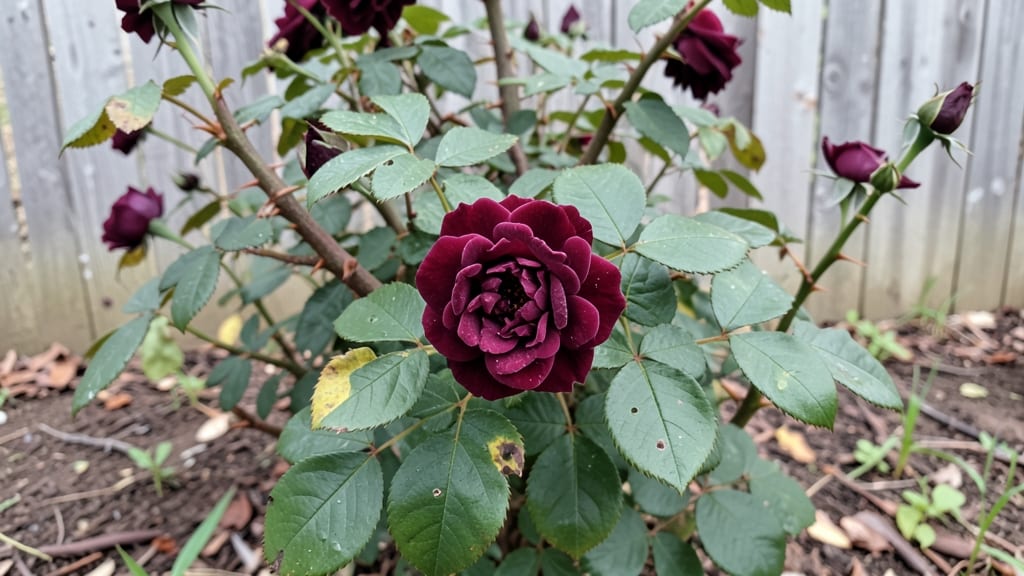
Creating a purple roses garden feels like painting with nature’s most dramatic color—deep violets that make every corner feel like a secret garden. 🌿 I’ve designed spaces where these climbers aren’t just plants but the stars of the show, turning fences, trellises, and even old wooden arches into living canvases.
The key isn’t just planting them; it’s arranging them so they spill over in waves, creating layers of texture and drama that catch the light at every turn.
Start with the right support—whether it’s a sturdy arbor, a simple wire trellis, or even a rusted metal gate—because purple roses need something to cling to as they reach for the sky.
Pair them with silver foliage like lamb’s ear or dusty miller to make the blooms pop, or tuck in white hydrangeas for a romantic contrast. The best part? These roses thrive in partial shade too, so they’re perfect for spots where other climbers would struggle.
By midsummer, you’ll have a vertical masterpiece that draws the eye upward, with blooms cascading like a waterfall of velvet. The scent—sweet and intoxicating—will linger in the air long after the color fades.
This isn’t just a garden feature; it’s a statement piece that turns heads and fills your space with life.
Works for any style—romantic cottage gardens, sleek modern landscapes, or even a small balcony with a single trellis. Here’s how to make them the centerpiece of your outdoor vision.
📚 In This Guide
- What you need
- Instructions
- Tips and common mistakes
- Wrapping up and next steps
What you need
- ● Purple rose bushes: 3–5 climbing varieties (e.g., Blaze, New Dawn, or Zéphirine Drouhin) – choose disease-resistant types for best results.
- ● Trellis or vertical structure: 1 sturdy wooden, metal, or PVC trellis (8–12 ft tall, with crossbars for support).
- ● Potting soil: 2–3 bags (high-quality, well-draining mix with compost).
- ● Mulch: 1 bag (pine bark or shredded leaves to retain moisture).
- ● Fertilizer: 1 bag of balanced rose fertilizer (10-10-10 or organic options like fish emulsion).
- ● Pruning shears: 1 pair (sharp, bypass-style for clean cuts).
- ● Garden gloves: 1 pair (heavy-duty for protection).
- ● Stakes or ties: 10–15 soft plant ties or bamboo stakes (to secure climbing roses).
- ● Watering can or hose: With a gentle spray nozzle for hydration.
- ● Garden trowel: For planting and soil prep.
- ● Post-hole digger: If installing a permanent trellis.
- ○ Decorative elements (optional): String lights for evening ambiance.
- ● Small solar-powered garden lights.
- ● Colorful garden stakes or labels for a polished look.
- ○ Pest control (optional): Neem oil spray for organic pest prevention.
- ● Rose-specific fungicide (e.g., copper-based for black spot).
How to create a stunning vertical purple rose garden
Here's how to build a breathtaking vertical display that maximizes space and color—no sprawling beds required.
🪴 Step 1: Choose the Right Support Structure
Start with a sturdy trellis or obelisk that can handle 4-6 climbing purple roses (like 'Black Baccara' or 'Purple Dream'). I recommend a 6-foot tall metal or wooden trellis—it's durable and won't warp over time. For fences, use 3-inch diameter PVC pipes spaced 4 feet apart with horizontal crossbars every 18 inches for climbing support.
Position the structure where it gets at least 6 hours of direct sunlight daily. Purple roses thrive in full sun, and their deep blooms will darken beautifully in bright light. Avoid placing it under trees or near buildings that cast shade for most of the day.
🌱 Step 2: Prepare the Planting Site
Dig a hole twice as wide as the root ball and 1 inch shallower than the container. Purple roses need well-draining soil, so mix 2 gallons of compost into the native soil at the bottom of the hole. This ensures nutrients and aeration right where the roots will spread.
For containers, use a 5-gallon pot with drainage holes and fill it with a blend of 3 parts potting mix and 1 part perlite. This keeps roots from sitting in soggy soil, which purple roses hate. Water the soil thoroughly before planting to help roots settle quickly.
☀️ Step 3: Plant and Train the Roses
Place the rose bush in the hole and backfill with soil, pressing gently to remove air pockets. The graft union (a slight bump near the base) should sit 1-2 inches above soil level to prevent rot. Water deeply right after planting to encourage root growth.
Immediately tie the main stem to the trellis with soft plant ties (not wire or twine—it can cut into tender stems). Gently weave the canes upward as they grow, training them to climb. Purple roses grow 3-5 feet per season, so prune back any side shoots that grow horizontally to keep energy focused on upward growth.
💧 Step 4: Water and Fertilize for Vibrant Blooms
Water deeply 2-3 times per week until the soil is 6 inches moist—purple roses need consistent moisture but dread soggy roots. Mulch with 2 inches of shredded bark around the base to retain moisture and keep roots cool. Avoid mulching too close to the stem to prevent rot.
Feed with a balanced rose fertilizer (10-10-10) every 4 weeks during the growing season. Purple roses respond well to regular feeding, but reduce fertilizer in late summer to encourage hardy growth before winter. You'll see the difference in darker, richer blooms when you feed properly.
✂️ Step 5: Prune and Maintain Year-Round
Prune in early spring before new growth starts, cutting back one-third of the oldest canes to the ground. This keeps the plant vigorous and encourages new blooms. Remove any dead or crossing branches to improve airflow—purple roses are prone to fungal issues if they're too crowded.
Deadhead spent blooms regularly to redirect energy into new flowers. I like to prune just above a 5-leaflet leaf to encourage branching. In fall, cut back canes by half and apply 3 inches of mulch to protect roots from freezing temperatures.
Tips & tricks for perfect vertical purple rose gardens
Here’s what I’ve learned from years of growing vertical purple roses—these tricks will help you avoid common mistakes and create a showstopping display.
Support Structure Stability: When setting up your 6-foot trellis or PVC fence, bury the base posts 12 inches deep and use concrete anchors for extra stability, especially in windy areas. I learned this the hard way when my first trellis toppled after a storm—now I reinforce everything! The 18-inch crossbars are perfect for training canes, but add an extra one at 3 feet for younger plants that need more support.
Soil Preparation Secret: For container gardens, mix in 1 cup of perlite per 5-gallon pot to improve drainage, but don’t overdo it—purple roses need moisture too. I also add a handful of worm castings to the potting mix for extra nutrients. The 2 gallons of compost in ground planting is non-negotiable—it’s the foundation for healthy roots and vibrant blooms.
Training Technique: When tying canes to the trellis in Step 3, use soft plant ties and adjust them every 2 weeks as the stems thicken. I make the mistake of forgetting this, and the ties end up cutting into the stems. Also, train the main stem vertically first—horizontal growth steals energy from your upward-climbing goal.
Watering Wisdom: The 2-3 times per week watering guideline works, but check soil moisture by sticking your finger 6 inches deep. If it’s dry, water deeply; if it’s still damp, wait another day. Purple roses hate soggy roots, but they also need consistent moisture—aim for that 6-inch moist target. A drip irrigation system makes this effortless!
Pro Tips for Purple Roses Garden
- Here’s what I’ve learned from years of growing vertical purple roses—these tricks will help you avoid common mistakes and create a showstopping display.
- Support Structure Stability: When setting up your 6-foot trellis or PVC fence, bury the base posts 12 inches deep and use concrete anchors for extra stability, especially in windy areas.
- Soil Preparation Secret: For container gardens, mix in 1 cup of perlite per 5-gallon pot to improve drainage, but don’t overdo it—purple roses need moisture too.
Frequently asked questions
Got questions about creating a stunning purple roses garden with vertical climbing beauty? We’ve got answers! Whether you’re a beginner or a seasoned gardener, these FAQs will help you plan, troubleshoot, and enjoy your dream garden.
When is the best time to plant purple climbing roses?
The ideal time to plant purple roses (or any climbing roses) is in early spring after the last frost or in fall, 4–6 weeks before the first frost. This gives roots time to establish before extreme temperatures. If planting in summer, water deeply and mulch to retain moisture—just avoid peak heat!
What’s the best support structure for climbing purple roses?
Climbing roses thrive on sturdy trellises, arbors, or pergolas. Opt for galvanized metal or wooden lattice for durability. Avoid flimsy plastic—it can’t support the weight as the roses grow. For a dramatic look, pair with a purple roses garden theme: paint the structure in complementary shades like deep burgundy or slate gray!
How often should I water my climbing purple roses?
Water deeply 1–2 times per week (more in extreme heat or drought). Aim for 1–1.5 inches of water per session, soaking the roots. Mulch around the base to retain moisture and reduce weeds. Avoid overhead watering—it can spread disease. Early morning is the best time to water!
Can I grow purple roses in containers or small spaces?
Dwarf or mini climbing varieties (like ‘New Dawn’ or ‘Blaze’) work well in large containers (15+ gallons). Use a well-draining potting mix and ensure the pot has drainage holes. Place near a trellis or wall for vertical growth. Just remember: container roses need more frequent watering and fertilizer than in-ground plants.
Why aren’t my purple roses blooming?
Lack of blooms often stems from over-pruning, poor nutrition, or insufficient sunlight. Ensure your roses get 6+ hours of sun daily and feed with a rose-specific fertilizer in spring and summer. Prune after blooming (not in fall) to encourage new growth. Check for pests too—aphids or black spot can stress plants!
Wrapping up and next steps
A purple roses garden isn’t just a dream—it’s a vibrant, transformative project waiting to unfold! With the right vertical climbing techniques, you’ll create a stunning focal point that adds elegance and charm to any space.
Whether you’re a gardening newbie or a seasoned green thumb, the key is to start small, stay patient, and let nature do the magic.
Ready to turn your vision into reality? Grab your tools, pick your purple roses, and begin planting today! Your garden’s masterpiece is just a few steps away—let’s grow something beautiful together. 🌸✨