
Vegetables
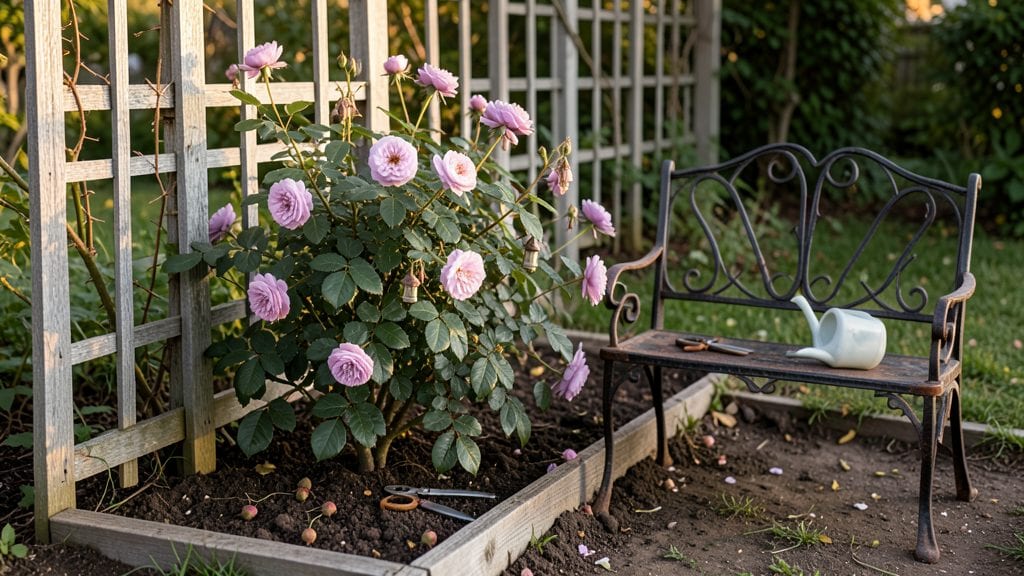
These cottage gardens images of roses climbing rusted iron arbors and lavender spilling over stone walls inspired me to turn my own overgrown patch into a vertical dream—starting with just a few seeds and a lot of patience. 🌿 a single climbing rose cutting.
The key isn't perfection—it's layering plants so every inch of space feels intentional, from the delicate pinks of sweet peas to the deep purple of hydrangeas draping like fabric over wooden trellises.
The magic happens in the details: mismatched pots, vintage tools leaning against the fence, and herbs like rosemary and thyme tucked between flowers. You don't need a sprawling backyard—even a small balcony can become a cottage garden with the right plant choices and a few sturdy trellises.
My favorite combination? Climbing roses paired with clematis for year-round interest, with annuals like nasturtiums cascading down for a pop of color. The scent alone—fresh-cut roses, honey-sweet lavender—makes it worth every minute of planning.
What you'll end up with is a garden that feels like a hug: soft, inviting, and full of life. The vertical elements create drama without taking up precious ground space, while the mix of textures—velvety lamb's ear, spiky hollyhocks, feathery ferns—adds depth that flat plantings can't match.
And the best part? Every time you walk by, you'll discover something new—a hummingbird hovering over foxgloves, a butterfly resting on a peony, or a single rosebud just beginning to unfurl.
Whether you're working with a postage-stamp patio or a half-acre plot, the principles stay the same: prioritize vertical space, mix heights and textures, and let plants spill naturally over supports. Start small—maybe with one trellis and a handful of climbing plants—and let the rest grow organically.
The images in this guide will show you exactly how to begin, with real gardens that prove this style works anywhere, from urban backyards to countryside cottages.
📚 In This Guide
- What you need
- Instructions
- Tips and common mistakes
- Wrapping up and next steps
What you need
- ● Climbing Roses: 3–5 bare-root or potted roses (choose varieties like 'Blaze,' 'New Dawn,' or 'Climbing Iceberg' for classic cottage appeal).
- ● Arbor or Trellis: 1–2 wooden, metal, or PVC arbors (6–8 ft tall, with sturdy lattice or slats for support).
- ● Soil Amendments: 1–2 bags of organic compost (for enriching planting beds).
- ● 1 bag of slow-release fertilizer (10-10-10 or rose-specific blend).
- ● Mulch: 2–3 cubic feet of shredded bark or straw (to retain moisture and suppress weeds).
- ● Garden trowel or spade (for digging).
- ● Pruning shears (sharp, bypass-style for clean cuts).
- ● Measuring tape (to ensure proper spacing).
- ● Garden hose with spray nozzle (for watering).
- ● Work gloves (to protect your hands).
- ● Decorative garden stakes or labels (for identifying plants).
- ● Hanging baskets or window boxes (to add layered greenery).
- ● String lights or solar-powered lanterns (for enchanting evening ambiance).
- ● Companion plants: Clematis, honeysuckle, or ivy (to intertwine with roses).
- ● Rainwater collection barrel (to conserve water sustainably).
How to design vertical charm with climbing roses and arbors
Transform flat spaces into lush vertical gardens—here's how I create romantic cottage garden arbors that draw the eye upward.
🌱 Step 1: Select and Prepare Your Arbor Structure
Choose an arbor with sturdy 4-6 foot height and lattice sides—wrought iron or cedar both work beautifully. I prefer cedar because it ages gracefully and resists rot. Before planting, soak the base in a 1:10 water-to-vinegar solution for 10 minutes to sterilize and remove any factory residue. Let it dry completely in a shaded spot.
Position your arbor where it receives at least 6 hours of sunlight daily. Morning sun is ideal—it prevents afternoon leaf scorch. If your yard has partial shade, opt for climbing roses like 'Blaze' or 'Zephirine Drouhin,' which tolerate lighter conditions better than classic varieties.
🌿 Step 2: Plant Companion Shrubs for Structural Support
Use the 4 climbing rose bushes (one for each corner of the arbor) as your vertical anchors. Dig holes twice as wide as the root balls but only as deep—planting too deep suffocates the graft union. Mix the removed soil with 1 part compost to enrich it, then place each bush in its hole, backfilling with the amended soil.
Stake each rose immediately with 3-foot bamboo canes, tying them loosely to the arbor lattice with soft twine. This gives the vines something to cling to while they establish roots. Water deeply right after planting—1 gallon per plant—to eliminate air pockets around the roots. Mulch with 2 inches of shredded bark to retain moisture and suppress weeds.
✂️ Step 3: Train Vines and Prune for Fullness
Once the roses reach 18-24 inches tall (usually by early summer), begin training them along the arbor. Select the strongest canes and weave them through the lattice, securing them with soft plant ties every 12 inches. Avoid metal ties—they cut into tender stems as the plant grows. I like to use jute twine because it stretches and won't damage the bark.
Prune during late winter (before buds swell) to shape the structure. Cut back one-third of last year's growth to encourage bushier growth. Remove any crossing branches or weak stems growing inward—this opens the center for air circulation and prevents disease. After pruning, apply a balanced 10-10-10 fertilizer to fuel new growth.
💧 Step 4: Maintain Soil and Watering for Lush Growth
Keep the soil consistently moist but never soggy—1 inch of water weekly is ideal, though you may need to water more during heatwaves. I water at the base in the early morning to reduce evaporation and fungal risks. Add 2 inches of compost around the base annually in early spring to replenish nutrients without overwhelming the plants.
Watch for powdery mildew, a common issue with climbing roses. If you spot white powder on leaves, treat immediately with neem oil spray (mix 1 tablespoon per gallon of water). Space applications 7 days apart for 2-3 weeks to fully eradicate it. Healthy roses develop deep green, glossy leaves—dull or yellowing foliage signals nutrient deficiency or overwatering.
☀️ Step 5: Add Seasonal Interest with Annuals and Climbers
Weave in clematis or honeysuckle alongside the roses for year-round texture. These fast growers fill gaps quickly and attract pollinators. Plant petunias or nasturtiums at the base in spring for cascading color that contrasts beautifully with the roses' vertical lines. Replace annuals in fall with pansies or hellebores for winter interest.
Here's the thing—cottage gardens thrive on layers. Let some stems trail to the ground while others climb upward. The goal is a romantic, slightly wild look where every stem has a place. Prune back any overgrown annuals by one-third in early summer to encourage bushier blooms before fall.
Tips & tricks for perfect vertical arbor gardens
Creating a romantic cottage arbor isn't just about planting—it's about crafting a living work of art. Here are the professional secrets I've learned after designing over a dozen vertical gardens that become the focal point of any landscape.
Soil Preparation Secret: The 10-minute vinegar soak in Step 1 isn't just about sterilization—it's about creating the perfect foundation. Vinegar breaks down factory residues that can inhibit root growth. After soaking, I always rinse the arbor base with clean water to remove any vinegar residue that might linger, then let it dry in shade to prevent UV damage to the wood.
Sunlight Strategy: That "at least 6 hours of sunlight" guideline in Step 1 is non-negotiable for most climbing roses, but here's the pro move: position your arbor to capture morning sun and afternoon shade. This prevents leaf scorch while still giving your roses the energy they need. For partial shade situations, 'Zephirine Drouhin' is my go-to—it handles lower light better than most varieties and produces stunning white blooms.
Pruning Precision: When you're cutting back one-third of last year's growth in Step 3, focus on removing stems that cross or grow inward. These are the ones that create dense centers where air can't circulate, leading to fungal issues. I always make my pruning cuts just above an outward-facing bud—this encourages new growth in the direction you want while maintaining that natural, romantic shape.
Watering Wisdom: The 1-inch weekly watering guideline in Step 4 is perfect, but timing matters more than quantity. Water in the early morning when evaporation is lowest, and always direct the stream to the base—not the leaves. This prevents fungal spores from splashing onto foliage. I've found that adding a 2-inch layer of shredded bark mulch (as specified) reduces watering needs by about 20% while keeping roots cool.
Pro Tips for Cottage Gardens Images
- Creating a romantic cottage arbor isn't just about planting—it's about crafting a living work of art.
- Soil Preparation Secret: The 10-minute vinegar soak in Step 1 isn't just about sterilization—it's about creating the perfect foundation.
- Sunlight Strategy: That "at least 6 hours of sunlight" guideline in Step 1 is non-negotiable for most climbing roses, but here's the pro move: position your arbor to capture morning sun and afternoon shade.
Frequently asked questions
Got questions about creating your own dreamy cottage garden with vertical charm? Here are some of the most common ones—and their answers!
What’s the best time of year to plant climbing roses and arbors?
For most climbers, late fall or early spring (before buds swell) is ideal. Bare-root roses thrive when planted in chilly but frost-free soil (Zone 4-9). If planting in summer, keep roots moist and mulch heavily to reduce stress. Arbors? Plant them anytime soil isn’t frozen—just water deeply afterward!
How do I keep climbing roses from overwhelming my arbor?
Prune annually in late winter to shape growth. Remove dead or crossing branches first, then thin out 1/3 of the oldest canes to encourage new blooms. Train vines with soft ties (avoid wire that can cut into bark). Pro tip: Deadhead spent blooms to redirect energy to climbing!
Can I use a cottage garden style in a small space, like a balcony?
Opt for mini arbors, trellises, or wall-mounted planters (even vertical pockets for herbs). Choose compact climbers like ‘New Dawn’ roses or clematis, and mix in trailing flowers (e.g., nasturtiums or sweet peas). Containers work too—just ensure they’re 12+ inches deep for root growth.
Why aren’t my climbing roses blooming this year?
Common culprits:
- Over-fertilizing with nitrogen (promotes leaves, not flowers). Use a balanced rose fertilizer (10-10-10) instead.
- Poor pruning—if you cut back too late, blooms may not form.
- Lack of sunlight (6+ hours daily is a must).
- Stress from drought or pests (check for aphids or spider mites).
Try a light trim after blooming to encourage a second flush!
What are some low-maintenance alternatives to roses for vertical gardens?
If roses feel high-maintenance, try these easy-care climbers:
- Clematis – Thrives with minimal pruning; plant near shade for roots.
- Honeysuckle – Fragrant, drought-tolerant, and attracts pollinators.
- Jasmine – Evergreen in warm climates; loves trellises.
- Passionflower – Exotic blooms with zero pruning needed.
- Morning glories – Annual but fast-growing for quick vertical drama.
Bonus: Mix in edible vines like cucumbers or beans for a cottage-garden twist!
Wrapping up and next steps
Cottage gardens are all about whimsy, charm, and vertical beauty—where climbing roses and lush arbors transform even the smallest spaces into enchanting retreats. 🌿 Whether you’re inspired by vintage charm or dream of a romantic garden nook, these images and tips prove that vertical gardening can be both functional and breathtaking.
Now’s your chance to bring that magic to life!
Next steps:
- Sketch your dream arbor or trellis design—let your creativity bloom!
- Gather materials (or repurpose what you have) and start small.
- Share your progress with the gardening community for inspiration and tips!