
Tools
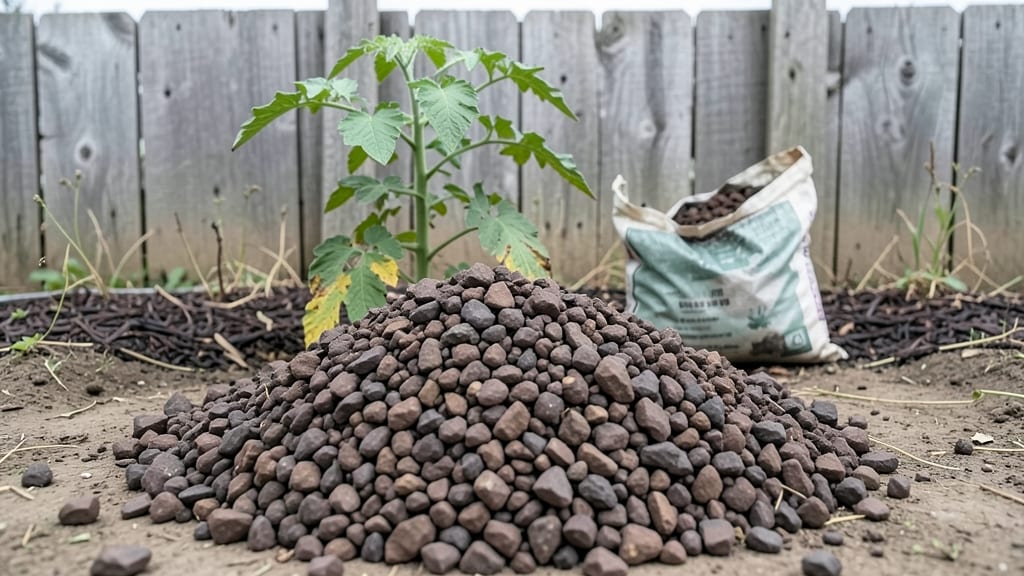
Garden costs aren't just about plants—soil prep alone can eat up 20-40% of your budget if you need to amend clay-heavy dirt or install drainage systems. 🌱 For example, a 10x10 ft raised bed might cost $200-$500 when factoring in lumber, compost, and quality topsoil, while a similar in-ground space could run $100-$300 if you skip the raised structure.
The real savings come from starting with seeds instead of seedlings (a $5 packet vs $3-$5 per plant), though seedlings give you faster results for impatient gardeners.
What many first-timers overlook is the hidden cost of maintenance—pruning, fertilizing, and pest control can add $100-$500/year depending on garden size. A native plant garden typically requires less upkeep than exotic varieties, but even low-maintenance options need regular watering during dry spells.
I always recommend setting aside 10-15% of your initial budget for ongoing care to avoid last-minute stress when your garden needs attention.
💡 In This Article
- Key Factors Influencing Garden Costs by Plant Type
- Budget-Friendly Garden Setup Strategies for Small and Large Spaces
Key factors influencing garden costs by plant type
Plant selection drives 70-80% of your garden's total cost, with the biggest divide between seeds and seedlings. A single tomato seed packet costs $2-$4 and yields 20-30 plants, while buying the same variety as seedlings runs $3-$5 per plant.
This means you could spend $60-$150 on seedlings versus $5-$10 on seeds for the same harvest potential. 🌱 The trade-off? Seedlings skip the 6-8 week germination period, giving you a head start on the growing season.
Annuals like marigolds or zinnias are the budget champions—seed packets cost $1-$3 and produce 50+ plants, while perennials such as lavender or hostas require $5-$15 per plant but return for years.
Native plants offer another cost advantage: they thrive in local soil conditions, reducing the need for expensive amendments like peat moss or compost. For example, a 5-gallon native shrub might cost $15-$25 compared to $40-$80 for an exotic ornamental like a Japanese maple.
Soil preparation can add $100-$1,000+ depending on your starting conditions. Heavy clay soil might need 2-3 inches of compost ($50-$150 per cubic yard) to improve drainage, while sandy soil benefits from organic matter like leaf mold.
Mulch alone costs $30-$100 for a 10x10 ft area, but it slashes watering needs by 30-50%—saving $50-$200 annually in irrigation costs. The key is balancing upfront soil investment with long-term water savings.
Long-term maintenance costs often surprise gardeners. Pruning a 10-foot tall hydrangea can take 2-3 hours per season, while pest control for vegetable gardens might require $50-$150 in organic sprays or traps. Ornamental gardens with exotic plants demand more frequent interventions—think $200-$500 annually for professional pruning and disease management.
What most people don't realize is that native plant gardens typically require 50% less maintenance than non-native varieties, thanks to their natural resistance to local pests.
Consider these cost comparisons for common garden styles:
- Vegetable garden (10x10 ft): $100-$300 initial cost (seeds, soil, trellises) with $50-$150 annual maintenance (fertilizer, pest control)
- Flower garden (10x10 ft): $200-$600 initial cost (perennials, mulch, irrigation) with $100-$300 annual upkeep (pruning, deadheading)
- Ornamental landscape (50x50 ft): $2,000-$10,000+ initial cost (shrubs, trees, hardscaping) with $500-$2,000 annual care (pruning, fertilizing, irrigation)
The biggest cost driver? Scale. A 50x50 ft garden with mature perennials and shrubs can cost 10x more to establish than a small container garden, but the per-square-foot cost drops significantly when you spread the initial investment over a larger area.
For example, a $1,000 10x10 ft garden costs $10/sq ft, while a $5,000 50x50 ft garden drops to $2/sq ft. The lesson? Bigger spaces offer economies of scale, but only if you're willing to commit to long-term maintenance.