
Light Requirements
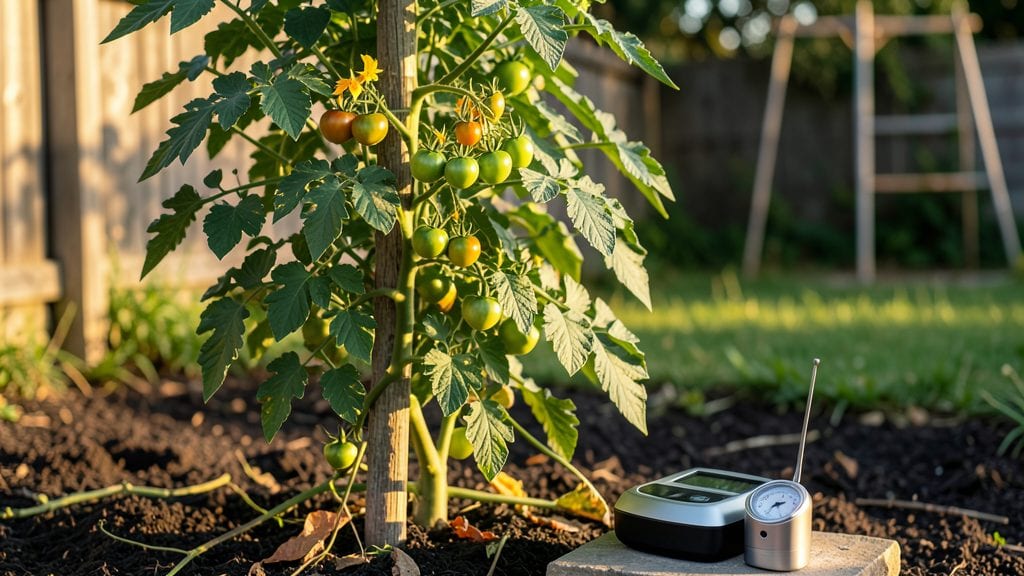
A vegetable garden needs 6-8 hours of sunlight daily 🌱 to thrive, but not every plant plays by the same rules—some bolt in too much heat, while others wilt without enough warmth.
Ever watched your tomato plants struggle or your lettuce bolt before you could even harvest? Sunlight exposure is the hidden factor controlling your vegetable garden’s success—or failure.
But how much is too much or too little? The answer isn’t one-size-fits-all—it depends on the plant, soil, and even your climate zone.
In this guide, I’ll break down the exact sunlight needs for your favorite veggies—from sun-hungry tomatoes to shade-tolerant greens—plus how to tweak your garden layout for peak performance.
You’ll also discover how to spot sunlight mistakes before they ruin your harvest and adjust for seasonal changes, so your garden stays productive from spring to fall.


Sunlight requirements by vegetable type: full sun vs. partial shade breakdown
Sunlight isn't just about placing your vegetable garden in the sunniest spot—it's about matching each plant's specific needs. Most gardeners assume all vegetables thrive in full sun, but leafy greens and root crops often bolt or rot under too much heat.
The key is understanding the ideal sunlight ranges for each type and adjusting your garden layout accordingly.
For example, tomatoes and peppers demand 6-8 hours of direct sun to produce fruit, while spinach and kale prefer 3-5 hours to avoid bitter flavors. Even partial shade (4-6 hours) can mean the difference between a thriving crop and a struggling one.
Let's break down the categories to help you plan your garden like a pro.
⚠️ Common misconception: Many gardeners think "sun-loving" plants can handle any amount of sun. In reality, afternoon shade (especially in hot climates) can protect delicate leaves from sun scorch while still providing enough light for growth. Always consider your local microclimate when planning.
Full sun (6+ hours of direct sunlight) is ideal for most fruiting vegetables like tomatoes, peppers, and cucumbers, but even these can suffer in intense midday heat. Partial shade (3-6 hours) suits leafy greens and herbs, while low-light conditions (under 3 hours) are rare for vegetables but can work for shade-tolerant varieties like Swiss chard or radishes in cooler climates.
🌱 Pro tip: Use a sunlight tracker for a week to map your garden's exposure. Note how shadows shift throughout the day—this will help you place heat-sensitive crops in morning sun with afternoon shade, while hardy plants get all-day exposure.
Below is a breakdown of common vegetables by their sunlight needs, including growth impacts when exposure is too high or too low. This table will help you visualize how to organize your garden for maximum yield.
🌿 Key takeaway: If your garden has limited sun, prioritize fast-maturing crops like radishes or bush beans, which can thrive in partial shade and produce quickly before heat stress sets in.
| Vegetable Type | Sunlight Needs | Growth Impact (Too Much Sun) | Growth Impact (Too Little Sun) | Best For |
|---|---|---|---|---|
| Tomatoes, Peppers, Eggplants | 6-8+ hours (Full Sun) | Sun scorch, bitter fruit, leaf drop | Poor fruiting, leggy growth | Hot climates, south-facing beds |
| Leafy Greens (Lettuce, Spinach, Kale) | 3-5 hours (Partial Shade) | Bolting, bitter taste, wilting | Slow growth, pale leaves | Spring/fall gardens, dappled shade |
| Root Crops (Carrots, Radishes, Beets) | 4-6 hours (Partial Sun) | Stunted growth, woody texture | Slow maturation, poor yield | Cooler regions, morning sun |
| Herbs (Basil, Cilantro, Dill) | 4-6 hours (Partial Sun) | Flavor loss, leaf burn | Leggy stems, weak aroma | Containers, patio gardens |
| Corn, Green Beans, Zucchini | 6-8 hours (Full Sun) | Reduced yield, poor pollination | Slow growth, weak stems | Open fields, trellised areas |
| Shade-Tolerant (Swiss Chard, Radishes, Lettuce) | 3-4 hours (Low Light) | Minimal impact (avoid midday sun) | Slow growth, small harvests | North-facing beds, under trees |
💡 Did you know? Some vegetables, like bush beans, can actually overheat in full sun during summer. If you
How to measure and adjust sunlight in your garden for maximum yield
Sunlight isn’t just light—it’s the fuel that drives photosynthesis, determines fruit ripening, and even affects flavor in your vegetables. But measuring it isn’t as simple as glancing at the sky. Microclimates (like a shady corner or sunny patio) can create wildly different conditions just feet apart in your yard.
Without precise adjustments, you might end up with stunted tomatoes or bitter lettuce—both classic signs of sunlight mismanagement.
Start by tracking sunlight patterns for at least a week, using a simple sunlight journal or app like Sun Surveyor. Note when shadows shift—especially in morning vs. afternoon—because intense afternoon sun can scorch delicate leaves while gentle morning light is ideal for seedlings.
I once had my pepper plants wilt because I assumed their spot got 6 hours of sun—until I realized a 2-story building blocked half the sunlight after 2 PM.
- Full-sun crops (6-8+ hours): Tomatoes, peppers, cucumbers, eggplants, and corn thrive with uninterrupted sunlight. Even 1 hour less can reduce yields by 30%.
- Partial-shade crops (3-6 hours): Leafy greens (spinach, kale), herbs (basil, cilantro), and root veggies (carrots, beets) prefer filtered light. Too much sun causes bolting or bitterness.
- Low-light crops (2-3 hours): Lettuce, radishes, and green onions tolerate shady spots but grow slower. Use these in understory plantings near taller crops.
- Seasonal adjustments: Spring and fall offer softer light—perfect for seedlings. Summer’s harsh midday sun may need 30% shade cloth to protect young plants.
- Microclimate hacks: Use reflective mulch (white gravel) to bounce light onto shady patches, or prune overhanging branches to increase sun exposure.
Once you’ve mapped your garden’s sunlight zones, adjust your layout to match plant needs. Place tall crops (like corn or sunflowers) on the north side of shorter plants to avoid shading competition.
I rearranged my garden beds last year, moving bush beans to the west side where they now get 5 hours of afternoon sun—and my harvest doubled!
Don’t forget about seasonal shifts. In winter, days are shorter, so prioritize cold-hardy crops like kale or carrots in sunnier spots. In summer, use drip irrigation to keep soil cool and prevent sunburn on exposed leaves.
I learned this the hard way when my zucchini leaves turned white and crispy—a sure sign of heat stress.
For extra yield, try season extension tools: Cold frames in spring, shade cloth in summer, or row covers in fall. These let you fine-tune sunlight exposure without moving plants. My spring lettuce now thrives in March because I added a clear plastic tunnel to trap warmth and light.
Remember: More sunlight ≠ better. Even sun-loving plants can suffer from too much heat. Balance is key—like Goldilocks, your garden needs it just right. Start small, track your results, and adjust as you go.
Your tomatoes, peppers, and greens will thank you with bigger harvests and bolder flavors. ☀️🌱