
Tools
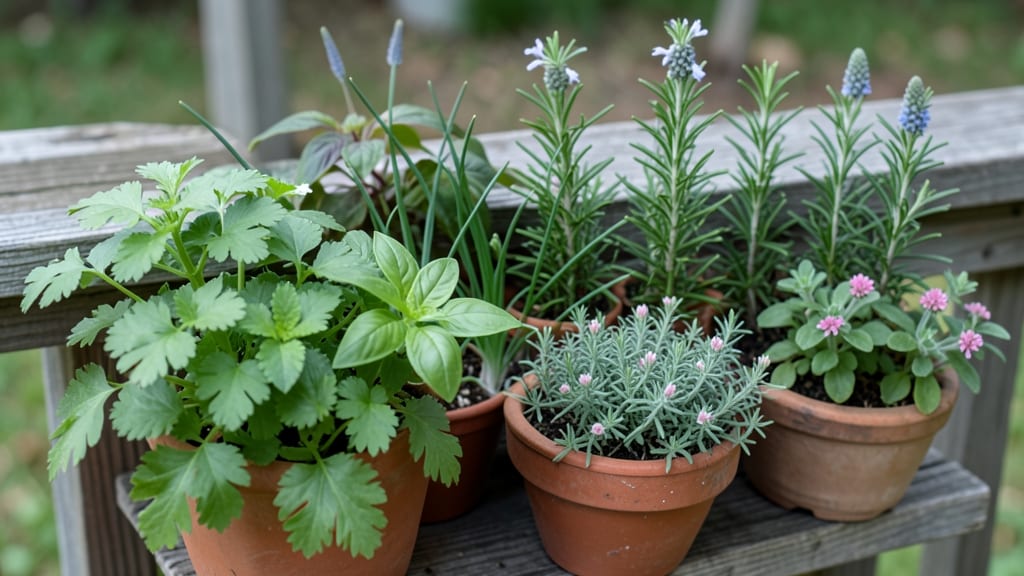
A porch herb garden turns dead space into a fragrant, functional oasis—no yard required. 🌿 Last summer, I transformed my narrow porch into a thriving kitchen garden using just six square feet of space, and now I’m sharing the exact setup that keeps herbs fresh all year.
Start with compact herbs like basil, parsley, and chives—they thrive in containers and won’t outgrow your space. Choose pots with drainage holes (or add a layer of gravel if DIY-ing), and group herbs with similar water needs together.
A simple trellis or hanging planters can double your growing area vertically, making the most of tight spaces.
By mid-summer, you’ll be snipping fresh basil for sandwiches and parsley for soups straight from your porch. The best part? These herbs stay productive for months, and the scent alone makes your porch feel like a cozy retreat. Just keep them within arm’s reach for easy harvesting.
Works for any porch size, from tiny balconies to wide front porches. Whether you’re a beginner or a seasoned gardener, this setup proves you don’t need a backyard to grow your own freshness.
📚 In This Guide
- What you need
- Instructions
- Tips and common mistakes
- Wrapping up and next steps
What you need
- ● Containers: 3–6 medium-sized pots (8–12 inches in diameter) or a single raised planter (12"x12" or larger). Opt for containers with drainage holes or add your own if needed.
- ● Potting Soil: 1–2 bags of high-quality, well-draining organic potting mix (avoid garden soil—it compacts too easily!). Look for blends labeled for herbs or vegetables.
- ● Herb Seeds or Seedlings: Start with 4–6 easy-to-grow herbs like basil, parsley, chives, thyme, or mint. Choose organic, non-GMO seeds or healthy seedlings from a nursery.
- ● Drainage Tray or Saucer: 1–2 shallow trays to catch excess water and protect your porch.
- ● Watering Can or Spray Bottle: A 1-gallon can with a narrow spout for precision watering, or a spray bottle for delicate seedlings.
- ● Fertilizer: A balanced, organic liquid fertilizer (e.g., fish emulsion or compost tea) or slow-release granules. Follow package instructions for dosage.
- ● Pruning Shears: Small, sharp scissors for harvesting and trimming.
- ● Self-Watering System: A wicking mat or drip irrigation kit to keep herbs hydrated with minimal effort.
- ● Grow Lights: A full-spectrum LED grow light (12–15 watts per plant) for low-light porches or winter growing.
- ● Herb Labels: Chalkboard tags or plant markers to track varieties.
- ● Mulch: A light layer of gravel or straw to retain moisture and suppress weeds.
- ● Portable Wheelbarrow: A 5-gallon wheelbarrow for mixing soil or transporting pots.
Step-by-Step instructions for building your porch herb garden
Here’s how to create a thriving herb garden that fits your porch perfectly.
🪴 Step 1: Choose and Prepare Your Containers
Select containers with drainage holes—terracotta pots, hanging baskets, or even repurposed buckets work well. I like to use a mix of sizes: 6-inch pots for delicate herbs like parsley, and 10-inch pots for heartier plants like rosemary. Clean them thoroughly with mild soap and water to remove any residue from previous plants.
Place a layer of small pebbles or broken pottery at the bottom of each container to improve drainage. This prevents water from pooling at the roots, which can cause rot. If your containers don’t have drainage holes, drill a few yourself—herbs hate soggy feet.
🌱 Step 2: Fill with Quality Potting Mix
Fill your containers with a lightweight, well-draining potting mix. Avoid garden soil—it compacts too easily and doesn’t provide the aeration herbs need. I like to mix in a handful of perlite or sand to improve drainage further, especially for herbs like thyme that dislike wet roots.
Leave about 1 inch of space between the soil and the rim of the container. This gives you room to water without overflowing and makes it easier to harvest leaves without spilling soil everywhere. Gently press the soil down to remove air pockets, but don’t pack it too tightly.
☀️ Step 3: Plant Your Herbs Correctly
Start by making a small hole in the soil—about twice as wide as the root ball of your herb plant. If you’re planting seeds, follow the depth guidelines on the packet (usually ¼ inch deep for most herbs). For transplants, place the plant in the hole and cover the roots with soil, firming it gently around the base.
Space your herbs appropriately: 6-8 inches apart for bushier plants like oregano, and 4-6 inches apart for smaller herbs like chives. Water lightly after planting to help the soil settle and remove any air gaps around the roots. Avoid overwatering—herbs prefer slightly dry soil over soggy conditions.
💧 Step 4: Water and Maintain Proper Light
Water your herbs when the top inch of soil feels dry. Stick your finger into the soil to check—if it’s damp, wait a day or two. Overwatering is the fastest way to kill herbs, so it’s better to underwater slightly than to drown them. I water in the morning so the leaves have time to dry out during the day.
Place your porch herb garden where it gets at least 6 hours of sunlight daily. South-facing porches are ideal, but even east or west exposures work if you rotate the pots occasionally. If your porch gets little sunlight, supplement with a small grow light for 12-14 hours a day. You’ll notice leggy growth if they’re not getting enough light—this is your cue to move them closer to a brighter spot.
✂️ Step 5: Prune and Harvest Regularly
Regular pruning keeps your herbs bushy and encourages new growth. Pinch off the tips of stems when they’re about 3-4 inches tall. This prevents herbs from flowering too soon, which can make the leaves bitter. For example, if you’re growing basil, snip the top set of leaves just above a pair of lower leaves to promote branching.
Harvest leaves as needed, but never take more than ⅓ of the plant at once. This ensures your herbs keep growing strong. Use clean scissors or fingers to pluck leaves—always harvest from the top or outer edges to encourage fuller growth. With proper care, your porch herb garden will stay productive all year long!
Tips & tricks for perfect porch herb gardens
A few simple strategies can transform your porch herb garden from struggling to spectacular. Here's what I've learned after years of growing herbs in small spaces.
Container Selection Matters: In Step 1, when choosing containers, prioritize depth for root growth—especially for herbs like rosemary that need room to establish. I've found that 10-inch pots work best for most herbs, but if you're growing shallow-rooted plants like chives, 6-inch pots are perfect. For hanging baskets, make sure they have sturdy handles and adequate drainage holes to prevent root rot. The extra effort in selecting the right container pays off with healthier plants and easier maintenance.
Soil Mix Secrets: When filling your containers in Step 2, don't skimp on the quality of your potting mix. I always add a 20% perlite or sand mixture to improve drainage, particularly for herbs that dislike wet roots like thyme. This simple adjustment prevents the most common issue I see—root rot from poor drainage. The 1-inch space you leave at the top is crucial too; it prevents overflow during watering and makes harvesting easier without soil spills.
Lighting Strategy: The 6 hours of sunlight mentioned in Step 4 is the minimum, but I've found that herbs thrive with 8-10 hours of direct light. If your porch gets less, supplement with a small grow light for 12-14 hours a day—just keep it 6-12 inches above the plants. I've seen leggy growth corrected completely by adding proper lighting. Rotate your pots occasionally to ensure even growth, especially if your porch gets morning sun but afternoon shade.
Pruning Pro Tip: In Step 5, when pruning, I recommend using clean scissors or your fingers to pinch stems—never use dirty tools that can introduce diseases. For herbs like basil, always cut just above a pair of leaves to encourage branching. I've noticed that herbs pruned this way grow fuller and produce more leaves over time. Harvesting no more than ⅓ of the plant at once keeps them productive without stressing the roots.
Pro Tips for Porch Herb Garden
- A few simple strategies can transform your porch herb garden from struggling to spectacular.
- Container Selection Matters: In Step 1, when choosing containers, prioritize depth for root growth—especially for herbs like rosemary that need room to establish.
- Soil Mix Secrets: When filling your containers in Step 2, don't skimp on the quality of your potting mix.
Frequently asked questions
Got questions about creating your own porch herb garden? You’re not alone! Here are answers to some of the most common queries to help you grow confidently—even in tight spaces.
What herbs grow best in containers on a porch?
Start with compact, versatile herbs like basil, parsley, chives, thyme, and mint. These thrive in containers and tolerate partial shade. For full sun, try rosemary or oregano. Avoid sprawling plants like dill unless you use tall pots!
When is the best time to start my porch herb garden?
Spring (after the last frost) is ideal for planting seeds or seedlings, but you can also start indoors 6–8 weeks before the last frost. For year-round harvests, overwinter hardy herbs like parsley or chives in pots and move them indoors when temps drop below 40°F (4°C).
How often should I water my porch herbs?
Check soil moisture daily—herbs in containers dry out faster! Water when the top inch feels dry, aiming for 1–1.5 inches per week. Use a self-watering planter or drip system to avoid over/under-watering. Mint and basil love consistent moisture, while rosemary prefers slightly drier soil.
What should I do if my herbs get pests or diseases?
Prevent pests with neem oil or insecticidal soap. Common culprits include aphids (wipe off gently) and spider mites (spray leaves with water). For fungal issues (like powdery mildew), improve airflow, avoid overhead watering, and remove affected leaves. Copper tape on pots deters slugs!
Can I grow herbs on a porch with no direct sunlight?
Yes! Herbs like cilantro, parsley, and chives tolerate partial shade (4–6 hours of light). Place pots near a bright window or use grow lights (12–14 hours/day). Avoid deep shade—herbs may become leggy or lose flavor. Rotate pots weekly for even growth.
Wrapping up and next steps
A porch herb garden is more than just a trend—it’s a delicious, space-saving way to bring fresh flavors to your meals year-round. Whether you’re a seasoned gardener or a beginner, these compact setups prove that you don’t need a backyard to grow vibrant, homegrown herbs.
Start small, experiment with containers, and watch your culinary creations shine with homegrown confidence!
🌱 Ready to dive in? Grab your favorite herbs, a sunny spot, and begin your porch garden journey today—your taste buds (and future dishes) will thank you!