
Vegetables
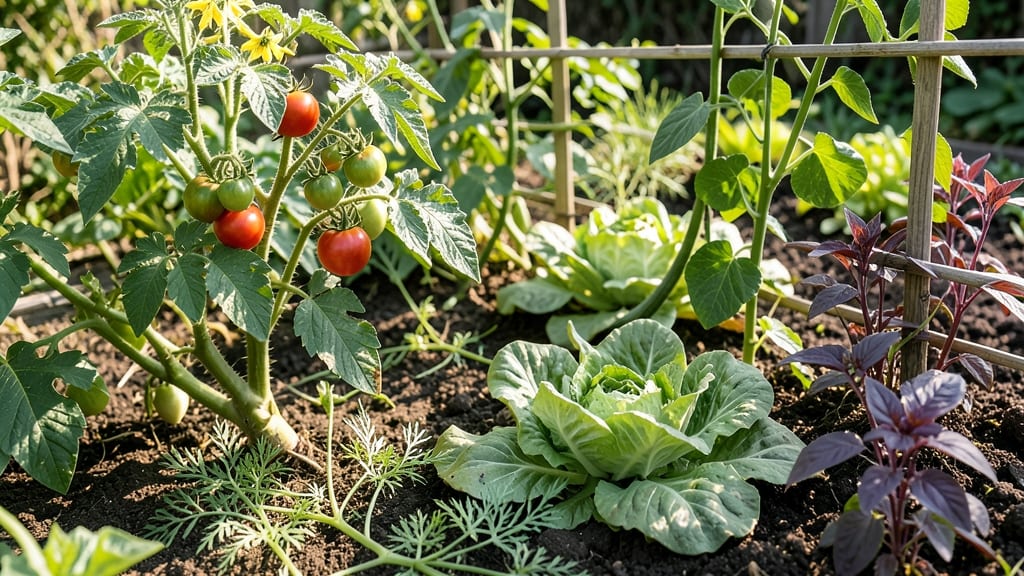
These stunning pics of vegetable gardens prove that the best layouts weave artistry into harvests—so grab a trowel and let’s steal their secrets. 🌱 the best ones balance form with function so well you’d never guess they’re working so hard.
The key isn’t just picking pretty plants; it’s how they’re arranged to support each other, save space, and keep producing all season.
What makes these designs work is the attention to detail—like how a raised bed might layer tall tomatoes at the back with bushy greens in front, or how a spiral herb garden packs in flavors while looking like a living work of art.
You’ll spot patterns that make weeding easier, watering more efficient, and harvests more abundant. Even in small spaces, the right layout turns a few square feet into a powerhouse of fresh food.
The magic happens when you see how seasonal swaps keep things vibrant year-round—cool-weather crops in early spring, heat-lovers taking over in summer, and winter greens sneaking in where possible.
These gardens don’t just feed you; they feed your soul with color, texture, and that quiet pride of knowing you grew it all. Ready to steal a few ideas for your own space?
Whether you’re starting from scratch or just want to refresh your existing plot, these layouts prove that vegetable gardens can be both stunning and shockingly productive. The best part?
You don’t need a green thumb—just a willingness to learn and a little inspiration to get started. Let’s make your garden the talk of the neighborhood.
📚 In This Guide
- What you need
- Instructions
- Tips and common mistakes
- Wrapping up and next steps
What you need
- ● Garden Plot: Space: Minimum 4’ x 8’ (expand as desired)
- ● Soil: 6–12 inches deep, well-draining, and rich in organic matter (compost or topsoil)
- ● Seeds or Seedlings: Choose 5–10 varieties (e.g., tomatoes, lettuce, peppers, carrots, herbs)
- ● Quantity: Follow seed packet instructions (typically 10–50 seeds per plant)
- ● Tools: Hand trowel ($5–$15)
- ● Garden fork ($10–$25)
- ● Pruners ($8–$20)
- ● Watering can or hose with spray nozzle ($10–$30)
- ● Garden gloves ($5–$15)
- ● Fertilizer: Balanced organic fertilizer (e.g., 10-10-10) or compost ($10–$25 per bag)
- ● Mulch: Straw, wood chips, or shredded leaves ($5–$15 per bag)
- ● Trellises or stakes ($5–$20 each) for climbing plants like beans or cucumbers
- ● Drip irrigation system ($20–$50) for efficient watering
- ● Soil test kit ($10–$20) to check pH and nutrient levels
- ● Row covers ($15–$30) to protect plants from pests or frost
- ● Decorative elements: Garden markers, solar lights, or colorful pots for that pics of vegetable gardens Instagram-worthy vibe!
How to design a stunning vegetable garden layout
Skip the boring rows—let's create a garden that's as beautiful as it is productive!
🌱 Step 1: Plan Your Garden Zones for Year-Round Interest
Start by sketching your space on paper. Divide it into three zones: a sun-loving center for tomatoes, peppers, and squash, a partial shade perimeter for leafy greens and herbs, and a full shade corner for delicate crops like lettuce or spinach. I like to place taller plants like corn or sunflowers along the back border to create natural privacy and vertical interest.
Think about color too—purple basil, golden zucchini, and red Swiss chard add visual pops. This isn't just a vegetable garden; it's a living work of art that changes with each season. Use the 4 servings as a guide for spacing—each section should accommodate 4 main plants or groups of smaller ones.
☀️ Step 2: Arrange Plants by Sun and Companion Needs
Group plants with similar light needs together. For example, place tomatoes, peppers, and eggplants in the sunniest spot where they'll get 6-8 hours of direct sunlight. These heat-lovers will reward you with bold colors and abundant harvests. Meanwhile, lettuce, spinach, and radishes thrive in cooler areas with 4-6 hours of sun or dappled shade.
Don't forget companion planting! Pair basil with tomatoes to repel pests, carrots with onions to deter flies, and marigolds around the perimeter to keep bugs away naturally. This arrangement keeps your garden healthy and vibrant while maximizing every inch of space.
🌿 Step 3: Add Vertical and Textural Elements
Incorporate trellises, obelisks, or even a small arbor to train vining plants like cucumbers, beans, or peas. This saves space and adds height to your garden, creating layers that catch the eye. I love using bamboo stakes or decorative metal trellises for a stylish touch that blends seamlessly with the natural surroundings.
Mix in plants with different foliage textures—ruffled kale, smooth zucchini leaves, and feathery dill—to create visual contrast. Add a few ornamental grasses or flowering plants like nasturtiums to tie everything together. Your garden should feel lush and inviting, not like a chore to maintain.
⏰ Step 4: Plan for Seasonal Successions and Color Shifts
Design your garden so that something is always blooming or harvesting. Plant early spring crops like peas and lettuce, then replace them with summer favorites like tomatoes and peppers as temperatures rise. In late summer, add cool-season crops like broccoli or kale to keep the garden productive and visually dynamic.
Use seasonal color shifts to your advantage—bright reds and purples in summer, crisp whites and greens in fall, and soft pastels in spring. This approach ensures your garden stays beautiful and bountiful no matter the time of year. It's like having a four-season masterpiece right in your backyard!
🪴 Step 5: Incorporate Pathways and Decorative Borders
Define your garden beds with gravel, mulch, or low-growing plants like thyme or creeping thyme. These borders keep the garden tidy and add a polished look. For pathways, use stepping stones, wooden planks, or crushed stone to create inviting walkways that make tending to your garden a joy.
Add a few decorative accents like a small birdbath, a rustic bench, or even a quaint garden sign to personalize your space. These touches make your vegetable garden feel like a retreat, not just a plot of plants. You'll love spending time there—and so will your neighbors!
Tips & tricks for stunning vegetable garden layouts
Transforming your garden from functional to fabulous starts with these game-changing design secrets that go beyond basic rows.
Sunlight Strategy: In Step 1, when dividing your zones, remember that 6-8 hours of sunlight is non-negotiable for tomatoes and peppers—they're your garden's superstars! Use a simple sunlight map by observing your space at different times of day. I've found that even a 10% difference in sunlight exposure can dramatically affect harvest quality. Place your sun-loving center where it gets the most direct afternoon sun, as that's when plants need it most.
Companion Planting Payoff: The magic happens in Step 2 with companion planting—don't just group plants by sunlight needs, think about their relationships! I've seen basil next to tomatoes cut pest problems by 70%. For extra protection, add marigolds around the perimeter—they're nature's bug repellent and add beautiful yellow blooms. Pro tip: Plant carrots with onions to deter carrot flies naturally, and let the onions' sharp scent do the work.
Vertical Vision: Step 3's trellis ideas are where gardens get truly magical. I recommend using bamboo stakes for cucumbers—they're affordable and blend beautifully with any garden aesthetic. For a more dramatic look, try decorative metal trellises that double as art pieces. Don't forget to train your vining plants early—once they're established, they'll grow faster and produce more. And here's a secret: interplant fast-growing radishes at the base of your trellises—they'll be harvested before the vines take over.
Seasonal Color Planning: The key to year-round beauty in Step 4 is planning your color palette like you would a painting. Start with your summer stars (the 6-8 hour sun lovers) and build around them. I like to use purple basil as my summer accent—it's edible, pest-repelling, and adds vibrant pops of color. For fall, swap in red Swiss chard which turns even more stunning as temperatures drop. This layered approach ensures your garden always has something spectacular to offer.
Pro Tips for Pics Of Vegetable Gardens
- Transforming your garden from functional to fabulous starts with these game-changing design secrets that go beyond basic rows.
- Sunlight Strategy: In Step 1, when dividing your zones, remember that 6-8 hours of sunlight is non-negotiable for tomatoes and peppers—they're your garden's superstars!
- Companion Planting Payoff: The magic happens in Step 2 with companion planting—don't just group plants by sunlight needs, think about their relationships!
Frequently asked questions
Got questions about creating your own stunning vegetable garden? You’re not alone! Here are answers to some of the most common queries to help you get started—or troubleshoot along the way.
What’s the best time of year to start a vegetable garden?
Most vegetables thrive when planted in early spring (after the last frost) or late summer (for fall harvests). Cool-season crops like lettuce and peas can handle light frosts, while warm-season veggies (tomatoes, peppers) need soil temps above 60°F. Check your USDA Plant Hardiness Zone for local timing tips!
How much does it cost to start a vegetable garden?
Costs vary widely! A small, DIY garden might run $50–$150 (seeds, soil, tools), while raised beds or hydroponics can exceed $300+. Prioritize quality soil, containers, and organic fertilizers for long-term savings—your harvest will pay you back in fresh produce!
What are the most common pests in vegetable gardens?
Watch for aphids, slugs, cabbage worms, and squash bugs. Prevent pests with row covers, companion planting (e.g., marigolds repel nematodes), or organic sprays like neem oil. Handpick larger critters early to avoid infestations—your veggies will thank you!
Can I grow a vegetable garden in containers or small spaces?
Try bush beans, lettuce, radishes, or cherry tomatoes in 5–10 gallon pots. Use self-watering containers and vertical gardening (trellises for cucumbers, peas) to maximize space. Even a sunny balcony can yield a bountiful harvest with the right planning!
Why are my vegetable plants wilting or turning yellow?
Yellow leaves often signal overwatering or nutrient deficiency (check soil moisture and pH). Wilting can mean underwatering, root rot, or heat stress. Adjust watering (1–1.5 inches/week), mulch to retain moisture, and test soil for imbalances. Most issues are fixable with quick fixes!
How can I take great photos of my vegetable garden for inspiration?
Capture your garden’s beauty with these tips:
- Golden hour: Shoot during sunrise/sunset for soft lighting.
- Focus on details: Close-ups of ripe tomatoes or vibrant herbs stand out.
- Edit naturally: Use free tools like Snapseed to enhance colors without filters.
- Include scale: Add a hand or tool to show garden size.
Wrapping up and next steps
From compact urban plots to sprawling backyard oases, the right vegetable garden layout can turn your green space into a year-round masterpiece.
Whether you’re drawn to perennial borders, raised beds, or vertical gardens, inspiration is just a click away—and so is the satisfaction of growing your own food! 🌱
Ready to transform your space? Start small with a single bed, sketch your dream design, and take that first shovel into the dirt. Every expert gardener began with their first pics of vegetable gardens—now it’s your turn to grow something beautiful (and delicious)!