
Tools
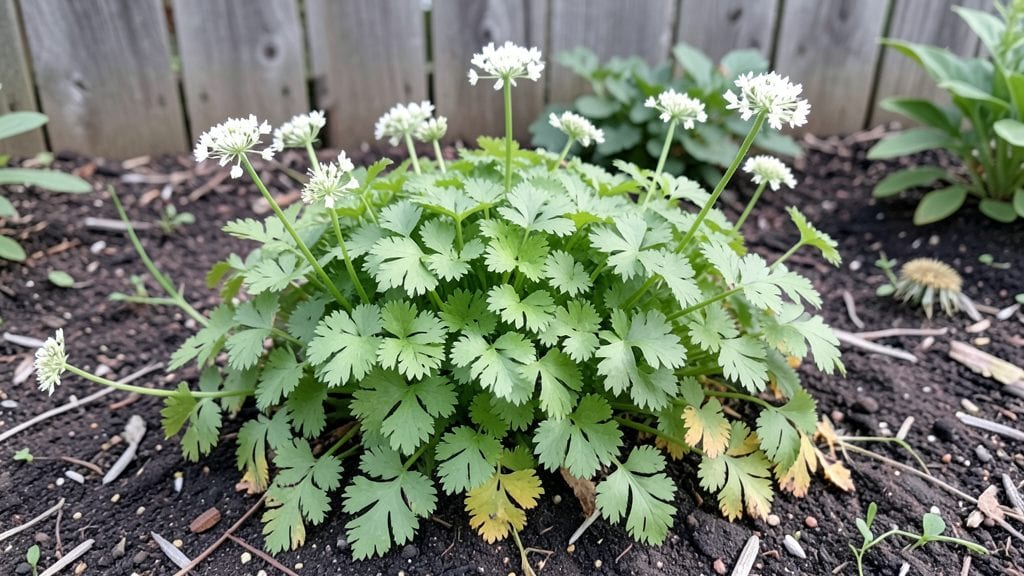
Transform your tiny space into a thriving cilantro herb garden, and you’ll never buy wilted jars from the grocery store again—just fresh, bright leaves at your fingertips. 🌿 I’ve grown cilantro in everything from windowsill pots to balcony planters, and the secret isn’t just sunlight. or water—it’s timing and a few sneaky tricks to keep it from bolting before you get a single harvest.
The good news? You don’t need fancy setups. A 6-inch pot with well-draining soil, 3-4 hours of sunlight daily, and consistent moisture (but never soggy) is all it takes.
Start with seeds for better flavor—seedlings bolt faster—and pinch back the flowers as soon as they appear to stretch out the harvest. This method keeps cilantro producing for 8-12 weeks instead of just a few weeks.
You’ll end up with bright green, tangy leaves that taste fresh no matter the season. The flavor stays vibrant if you harvest regularly, and the plants stay compact enough for even the smallest spaces.
No more sad, wilty cilantro—just a steady supply for tacos, salads, or garnishes. Here’s how to make it work without the usual struggles.
Works for windowsills, balconies, or sunny patios—just adjust watering for indoor vs. outdoor conditions. Let’s get those seeds planted! (And yes, I’ll cover how to revive cilantro that’s already bolted.)
📚 In This Guide
- What you need
- Instructions
- Tips and common mistakes
- Wrapping up and next steps
What you need
- ● Cilantro seeds: 1–2 packets (organic, heirloom, or non-GMO for best results). Aim for Coriandrum sativum varieties like ‘Santo’ or ‘Calypso’ for compact growth.
- ● Containers: 2–4 pots (6–12 inches wide/deep) with drainage holes. Use fabric grow bags or ceramic/terracotta pots for airflow.
- ● Potting mix: 1–2 bags of well-draining, organic soil (avoid garden soil—it compacts!). Look for a seed-starting mix or blend with perlite/vermiculite (20% by volume).
- ● Watering can or spray bottle: With a gentle rose nozzle to avoid disturbing seeds.
- ● Sunlight access: A south-facing window (6+ hours of sun/day) or a grow light (LED, full-spectrum, 12–16 hrs/day).
- ● Hand trowel: For transplanting seedlings (small, 4-inch blade).
- ● Fertilizer: Balanced liquid fertilizer (5-5-5 or fish emulsion) or slow-release granules (like Osmocote).
- ● Mulch: Straw or shredded leaves to retain moisture (1 inch thick).
- ● Pruning shears: For harvesting stems cleanly (small, sharp scissors work too!).
- ● Humidity dome: A clear plastic cover to keep seeds moist during germination.
- ● Thermometer/hygrometer: To monitor ideal temps (60–75°F) and humidity (40–60%).
- ● Indoor herb garden kit: Pre-potted cilantro or a hydroponic system for beginners.
Step-by-Step instructions for growing a thriving cilantro herb garden
Master these simple techniques to keep your cilantro lush, bolt-resistant, and ready for harvest all year.
🌱 Step 1: Select Containers and Prepare Soil for Optimal Growth
Choose 4-inch deep containers with drainage holes—cilantro roots need room to spread but hate soggy conditions. I use terracotta pots because they wick away excess moisture naturally. Fill each with 2 cups of high-quality potting mix (never garden soil—it compacts and suffocates roots). Tap the pot gently to settle the mix without compacting it.
Add 1 tablespoon of compost to each container and mix thoroughly. The compost provides essential nutrients without overwhelming young plants. Moisten the mix with warm water until it feels like a damp sponge—neither bone-dry nor dripping. This ensures seeds have consistent moisture to germinate without rotting.
🌱 Step 2: Sow Seeds Correctly for Maximum Germination
Scatter 5-6 cilantro seeds per container, pressing them just below the soil surface—no deeper than ¼ inch. Cilantro seeds are tiny, so I use a toothpick to create shallow furrows for better placement. Cover lightly with a thin layer of additional potting mix, then mist gently with water until the surface looks evenly damp.
Place containers in a warm, shaded spot (70-75°F) until germination. I keep mine on a seedling heat mat for the first 3 days—this speeds up germination from 7-10 days to just 5-7 days. Avoid direct sunlight at this stage; seedlings need warmth more than light initially. Watch for tiny green sprouts emerging—this is your signal to move them.
☀️ Step 3: Provide Light and Temperature for Lush Growth
Once seedlings reach 1 inch tall, move them to a south-facing window or under grow lights for 12-14 hours daily. Cilantro thrives in cool conditions (60-70°F)—if your home runs warmer, place pots on a tray of pebbles with water to create humidity without overwatering. You’ll notice leaves developing a deep green color and bushy growth within 2 weeks if conditions are right.
Rotate containers quarter-turn daily to prevent leaning toward light. Leggy seedlings (stretched, pale stems) mean insufficient light—adjust immediately. If flowers appear, snip them off with clean scissors; bolting (flowering) turns leaves bitter and ends the harvest cycle.
💧 Step 4: Water and Fertilize for Continuous Harvests
Water when the top inch of soil feels dry—cilantro hates soggy roots but wilts quickly if parched. I use a spray bottle for even moisture, avoiding heavy watering that displaces seeds. After the first true leaves appear, add ½ teaspoon of balanced fertilizer (10-10-10) to each container, mixed into the top inch of soil. This boosts growth without burning tender roots.
Harvest outer leaves when they reach 2-3 inches to encourage bushier regrowth. Never cut more than ⅓ of the plant at once—cilantro recovers poorly from heavy pruning. If leaves yellow, reduce water slightly; brown edges mean too much sun or salt buildup from fertilizer.
⏰ Step 5: Extend the Season with Simple Adjustments
For year-round growth, move containers outside during mild weather (50-75°F) and bring them in before frost. Cilantro bolts quickly in heat—if temperatures rise above 80°F, cover pots with shade cloth during peak sun hours. I’ve kept cilantro producing for 6 months straight using this method, even in winter.
Every 4-6 weeks, refresh the soil by removing the top 1 inch of old mix and replacing it with fresh potting mix. This prevents nutrient depletion and reduces disease risk. With consistent care, your cilantro garden will stay vibrant and productive—no bolting, no bitterness, just fresh leaves whenever you need them.
Tips & tricks for perfect cilantro herb garden growth
These game-changing strategies will help you avoid common pitfalls and keep your cilantro thriving year-round—no bolting, no bitterness, just fresh leaves whenever you need them.
Container Selection: While 4-inch deep containers work perfectly, I've found that adding a layer of ½ inch of gravel at the bottom of each pot creates extra drainage and prevents root rot. This is especially helpful if you're using plastic containers that don't wick moisture as well as terracotta. The gravel also creates air pockets that cilantro roots love, improving overall growth.
Seed Spacing Secret: In Step 2, when sowing your 5-6 seeds, I recommend spacing them about ½ inch apart rather than scattering randomly. This prevents overcrowding later and makes thinning easier. If you end up with more seedlings than you need, snip the extras at the soil line rather than pulling—this reduces root disturbance and gives your remaining plants a better chance to thrive.
Light Management: The 12-14 hours of daily light in Step 3 is crucial, but quality matters more than quantity. If you're using grow lights, position them 6-8 inches above the plants and use full-spectrum bulbs. I've noticed that cilantro grown under blue LED lights develops slightly more vibrant green leaves compared to white or red spectrum lights. For windowsill growing, east-facing windows provide the most consistent light without overheating.
Harvesting Technique: When harvesting those 2-3 inch leaves in Step 4, use clean, sharp scissors or pruning shears instead of pinching by hand. This prevents crushing stems and creates cleaner cuts that heal faster. I also recommend harvesting in the morning after the dew has dried—this gives you the freshest leaves and makes the plants less susceptible to fungal issues from moisture buildup.
Pro Tips for Cilantro Herb Garden
- These game-changing strategies will help you avoid common pitfalls and keep your cilantro thriving year-round—no bolting, no bitterness, just fresh leaves whenever you need them.
- Container Selection: While 4-inch deep containers work perfectly, I've found that adding a layer of ½ inch of gravel at the bottom of each pot creates extra drainage and prevents root rot.
- Seed Spacing Secret: In Step 2, when sowing your 5-6 seeds, I recommend spacing them about ½ inch apart rather than scattering randomly.
Frequently asked questions
Got questions about growing cilantro in your herb garden? You’re not alone—this zesty green can be tricky to keep happy! Here are answers to the most common queries to help you cultivate a thriving cilantro herb garden with confidence.
How often should I water my cilantro plants?
Cilantro thrives with consistent moisture—water deeply 2-3 times per week, ensuring the top inch of soil stays damp (not soggy). In hot climates, daily watering may be needed. Mulch around the base to retain moisture and prevent bolting. Avoid overhead watering to deter fungal issues.
Why does my cilantro bolt so quickly?
Bolting (flowering prematurely) is cilantro’s natural response to heat or stress. To delay it, plant in cool seasons (spring/fall), use shade cloth in summer, and keep soil evenly moist. For year-round growth, try slow-bolting varieties like ‘Calypso’ or ‘Santo.’
Can I grow cilantro indoors without sunlight?
Yes! Place your cilantro 3-6 inches from a bright grow light (12-16 hours/day) or a south-facing window. If using natural light, rotate pots weekly for even growth. LED grow lights are energy-efficient and ideal for compact spaces. Just ensure good airflow to prevent mold.
What’s the best way to harvest cilantro without killing the plant?
Harvest cilantro by snipping outer stems with clean scissors, leaving the inner growth intact. Avoid pulling leaves—this damages the plant. For a bushier yield, harvest regularly (every 2-3 weeks) and fertilize lightly with a balanced organic mix after each trim.
What can I substitute if my cilantro dies or bolts?
If your cilantro fails, try these flavorful swaps:
- Coriander seeds: Toast and grind for a nutty, citrusy kick.
- Parsley: Mild and fresh, but use sparingly.
- Chives or green onions: Add a subtle onion-like depth.
- Lime zest + cumin: Mimics cilantro’s brightness in salsas.
Wrapping up and next steps
Growing cilantro in a compact herb garden is not only rewarding but also a game-changer for fresh flavors year-round! 🌱 Whether you're a seasoned gardener or just starting, these year-round growth hacks make it easy to cultivate vibrant, healthy cilantro—even in small spaces.
With the right tools, a little patience, and a dash of creativity, you’ll enjoy the satisfaction of harvesting your own homegrown cilantro for salads, salsas, and more.
Ready to take the next step? Start small—plant a few seeds in your chosen container or windowsill garden—and watch your cilantro thrive! Soon, you’ll be sharing your green success with friends and elevating your meals with that fresh, zesty cilantro taste. Happy growing! 🌿