
Size
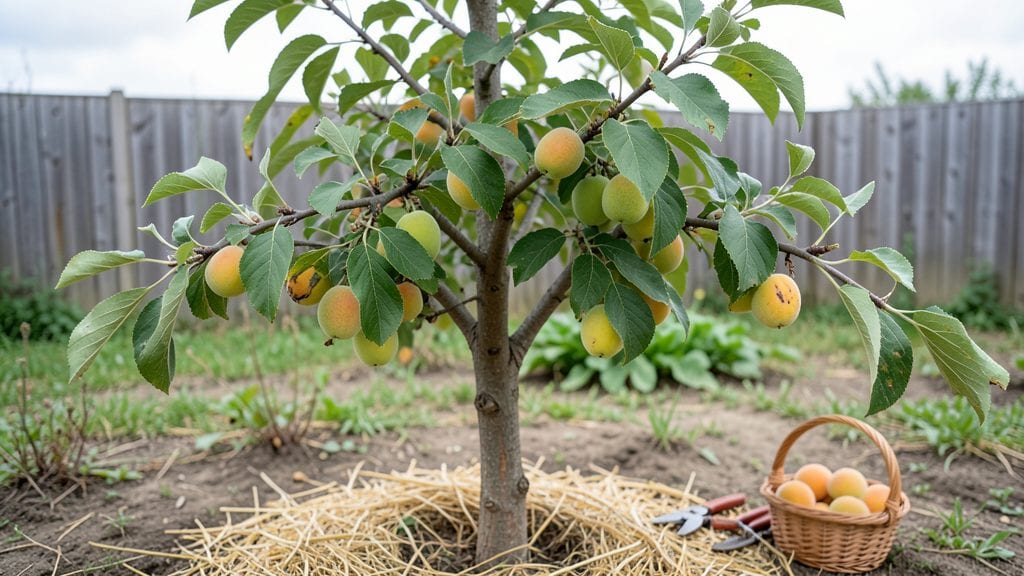
Growing nectarine fruit in your garden means golden, juicy rewards starting in just 3-4 years—if you pick the right variety and give it the perfect sunny spot. 🌞 I planted my first tree last spring, and now it’s already sending out new shoots, proving that even beginners can grow these sweet, peach-like fruits with minimal fuss.
The secret starts with full sun exposure (at least 6-8 hours daily) and well-draining soil—nectarines hate soggy roots. For containers, a 15-gallon pot works if you’re in a small space, but in-ground planting gives them room to thrive.
My tree’s first blossoms appeared in early May, and while I lost some to frost, the survivors produced tiny fruit by summer.
By next year, you’ll be harvesting 2-3 pounds of fruit per tree, with flavors ranging from honeyed to almost tropical.
The key is patience: prune in late winter to shape the tree, fertilize lightly in spring, and watch for aphids or brown rot—both common but easy to manage with the right care.
Whether you’re planting a dwarf variety in a pot or a full-sized tree in your yard, nectarines repay your effort with sun-ripened fruit that tastes nothing like store-bought. Let’s get your tree growing strong from the start!
📚 In This Guide
- What you need
- Instructions
- Tips and common mistakes
- Wrapping up and next steps
What you need
- ● Nectarine Trees: Choose 2-3 dwarf or semi-dwarf varieties (like ‘Redhaven’ or ‘Fantasia’) for small gardens or full-size trees for larger spaces. Quantity: 1-3 trees (ensure cross-pollination if needed).
- ● Well-Draining Soil: A mix of 60% topsoil, 30% compost, and 10% perlite/sand for optimal drainage. Test pH: Aim for 6.0–7.0.
- ● Fertilizer: Balanced 10-10-10 or citrus-specific fertilizer (low in nitrogen for young trees). Apply: 2–3 times per year.
- ● Mulch: Wood chips or straw (2–4 inches thick) to retain moisture and suppress weeds.
- ● Watering System: Drip irrigation or a soaker hose for deep, consistent watering.
- ● Pruning Tools: Bypass pruners (for small branches)
- ● Loppers (for thicker branches)
- ● Hand saw (for large limbs)
- ● Gloves & Safety Gear: Heavy-duty gardening gloves and eye protection for pruning.
- ○ Trellis or Stakes: Optional for dwarf varieties to support growth.
- ● Pest Control: Neem oil or horticultural oil for organic pest management.
- ● Soil Amendments: Lime (if soil is acidic) or mycorrhizal fungi for root health.
- ● Weather Protection: Frost cloth (for young trees in cold climates).
Step-by-step instructions for planting and cultivating nectarine trees
Here’s how I’ve successfully grown sweet, homegrown nectarines—from bare-root saplings to fruit-bearing trees.
🌱 Step 1: Choose the Right Location and Prepare the Soil
Nectarine trees thrive in full sun—select a spot that receives at least 6-8 hours of direct sunlight daily. Avoid low-lying areas where cold air settles, as nectarines are sensitive to late spring frosts. The soil should drain well but retain moisture; if your yard has heavy clay, amend it with 2-3 inches of compost mixed into the top 12 inches of soil.
Dig a planting hole twice as wide as the root ball but no deeper. Loosen the sides of the hole to encourage root spread. I always test soil pH before planting—nectarines prefer 6.0-7.0. If your soil is too acidic, add dolomitic lime to adjust it gradually over a few months. This ensures strong root development from day one.
🪴 Step 2: Plant the Bare-Root Sapling at the Correct Depth
Remove the nectarine sapling from its container or packaging and soak the roots in lukewarm water for 1-2 hours to rehydrate them. Position the tree in the hole so the graft union (the swollen area where the scion meets the rootstock) sits 2-3 inches above the soil line. This prevents root rot and ensures the tree develops properly.
Backfill the hole with the native soil, tamping gently as you go to remove air pockets. Water deeply to settle the soil around the roots. I like to create a small berm around the base to help direct water toward the roots during irrigation. Avoid fertilizing at planting—wait until new growth appears in spring to apply a balanced 10-10-10 fertilizer.
☀️ Step 3: Provide Support and Mulch for Young Trees
Stake the tree only if necessary—young nectarine trees often establish themselves well without support. If you do stake, use two sturdy posts positioned 18-24 inches from the trunk and tie the tree loosely with soft fabric strips to avoid girdling. Prune any damaged or crossing branches immediately, cutting just above a bud or outward-facing leaf to encourage healthy growth.
Apply a 3-inch layer of organic mulch (like wood chips or straw) around the base, keeping it 6 inches away from the trunk to prevent rot. Mulch conserves moisture, suppresses weeds, and regulates soil temperature. Water the tree deeply once a week during the first growing season, ensuring the soil stays evenly moist but not soggy. Overwatering can lead to root rot, which is fatal for young trees.
✂️ Step 4: Prune and Fertilize for Optimal Fruit Production
In late winter or early spring, before buds swell, prune the tree to open the canopy and improve air circulation. Remove any dead, diseased, or crossing branches, cutting at a 45-degree angle just outside the branch collar. Thin out interior branches to let sunlight penetrate to the center of the tree—this reduces humidity and prevents fungal diseases like brown rot.
Fertilize in early spring with a low-nitrogen, high-phosphorus formula (like 5-10-10) to encourage flowering. Follow up with a light application of nitrogen (like 10-5-5) after fruit sets to support fruit development. I’ve found that avoiding heavy nitrogen late in the season prevents excessive vegetative growth at the expense of fruit quality. Harvest nectarines when they’re firm but yield slightly to gentle pressure—usually late summer to early fall, depending on your climate.
🌿 Step 5: Protect and Maintain for Long-Term Success
Young nectarine trees are vulnerable to late frosts, so monitor weather forecasts in early spring. If frost is predicted, cover the tree with a frost blanket or row fabric to protect blossoms. Once the tree matures, it becomes more resilient, but consistent care ensures steady fruit production. Thin fruit clusters to 6-8 inches apart when they’re 1 inch in diameter to improve size and quality.
Watch for aphids, peach twig borers, and leaf curl—common nectarine pests. Treat infestations early with neem oil or insecticidal soap to avoid chemical residues on fruit. In fall, remove and destroy any mummified fruit left on the tree to reduce disease pressure. With proper care, your nectarine tree will reward you with juicy, sweet fruit for decades.
Tips & tricks for perfect nectarine tree cultivation
Growing nectarines from bare-root saplings to fruit-bearing trees takes patience, but these insights will help you avoid common pitfalls and maximize your harvest.
Sunlight and Soil Secrets: While the instructions specify 6-8 hours of sunlight, I've found that nectarines actually thrive with 8+ hours in hotter climates. If your yard gets afternoon shade, consider planting near a south-facing wall or fence that reflects sunlight. For soil prep, go beyond the 2-3 inches of compost—amend the entire 12-inch depth with a mix of compost and perlite for even better drainage. This prevents waterlogging while maintaining moisture retention.
Planting Depth Precision: That 2-3 inch graft union position above soil line is critical—any lower risks root rot, while higher increases frost sensitivity. I use a small wooden stake marked at 2 inches to verify depth before backfilling. For the 1-2 hour root soaking, use lukewarm water (around 70°F) rather than cold water, which can shock the roots. Add a splash of seaweed extract to the water for extra root growth hormones.
Mulching Mastery: The 3-inch mulch layer works wonders, but I've learned that straw breaks down faster than wood chips. For long-term moisture retention, use a 50/50 mix of wood chips and straw. Keep the mulch 6 inches from the trunk to prevent rot, but don't hesitate to mound it slightly higher during summer to conserve moisture. This extra insulation can reduce watering needs by up to 30% during drought periods.
Pruning Pro Tips: When opening the canopy in Step 4, aim to create a vase shape that allows sunlight to reach all branches. I use a small flagging tape to mark branches to remove before cutting—this helps visualize the final shape. For the 45-degree cuts, use sharp pruners and cut just outside the branch collar to prevent damage. This technique promotes faster healing and reduces disease risk.
Pro Tips for Nectarine Fruit Grow A Garden
- Growing nectarines from bare-root saplings to fruit-bearing trees takes patience, but these insights will help you avoid common pitfalls and maximize your harvest.
- Sunlight and Soil Secrets: While the instructions specify 6-8 hours of sunlight, I've found that nectarines actually thrive with 8+ hours in hotter climates.
- Planting Depth Precision: That 2-3 inch graft union position above soil line is critical—any lower risks root rot, while higher increases frost sensitivity.
Frequently asked questions
Got questions about growing your own nectarines?
You’re not alone! Here are some of the most common queries—plus quick, practical answers to help you cultivate sun-kissed fruit in your backyard.
When is the best time to plant nectarine trees?
The ideal time to plant nectarine trees is late winter or early spring (before buds swell) in USDA Zones 5–9. This gives roots time to establish before summer heat. For warmer climates (Zones 9–10), plant in fall to avoid extreme summer stress. Choose bare-root saplings or container-grown trees for best results.
How long does it take for a nectarine tree to bear fruit?
Patience is key! Most nectarine trees take 3–5 years to produce fruit, depending on variety, care, and climate. Dwarf varieties may fruit sooner (2–3 years), while standard trees can take up to 6 years. Pro tip: Prune young trees properly and fertilize annually to speed up fruiting.
What pests or diseases should I watch for?
Nectarines are prone to aphids, peach leaf curl, and brown rot. Prevent issues by:
- Spraying dormant oil in late winter to kill overwintering pests.
- Using copper fungicide before bud break for leaf curl.
- Removing fallen fruit to stop brown rot spread.
Can I grow nectarines in containers? How big should the pot be?
Yes! Dwarf nectarine varieties (like ‘Fantasy’ or ‘Red Gold’) thrive in containers. Use a 15–20 gallon pot with drainage holes, filled with well-draining soil. Place in full sun (6+ hours/day) and water deeply when the top inch of soil dries. Note: Container trees may need annual repotting and extra winter protection in cold zones.
How do I know if my nectarines are ripe?
Ripe nectarines don’t give when gently squeezed and have a sweet, fragrant aroma near the stem. Color varies by variety (yellow, orange, or red-blushed), but taste is the best indicator. Harvest before birds or pests do—pick with a twist or small pruners to avoid damaging branches.
What’s the difference between nectarines and peaches?
Nectarines are smooth-skinned peaches—no fuzzy exterior! They’re often sweeter, firmer, and less prone to splitting in rain. Both need similar care, but nectarines may tolerate heat slightly better. Fun fact: They’re genetically the same—just bred for skin texture!
Wrapping up and next steps
Growing nectarines in your garden is a rewarding journey that brings sun-kissed sweetness to your backyard—and your plate! 🌞 With the right soil, sunlight, and care, you’ll enjoy juicy, flavorful fruit in just a few seasons. Whether you’re a seasoned gardener or a beginner, the key is patience and consistency.
Ready to take the next step? Start small—plant one tree this spring, and soon, you’ll be harvesting your own nectarines! Share your progress with fellow gardeners or experiment with recipes to savor your homegrown bounty. Happy growing! 🌱