
Size
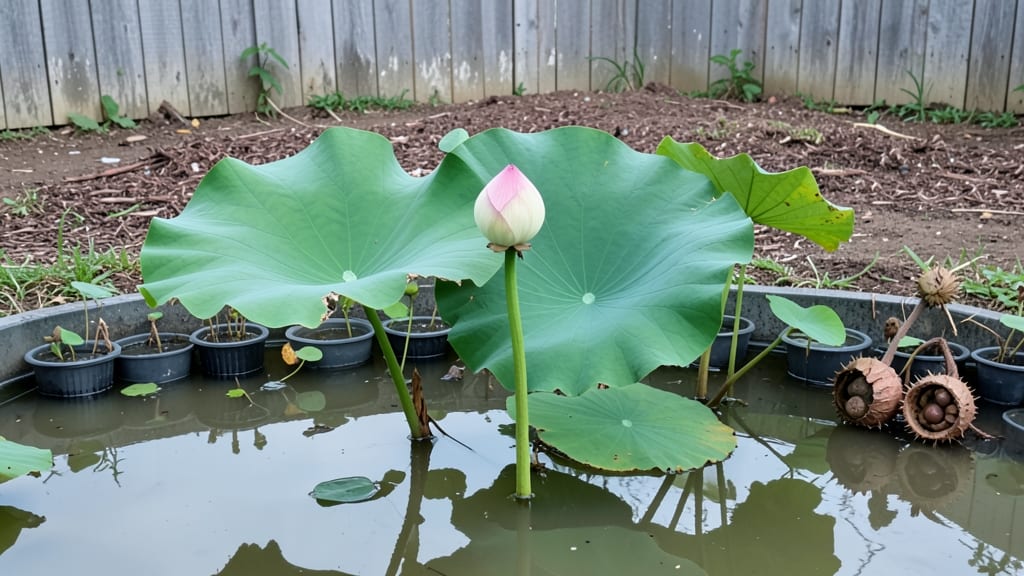
Growing lotus seeds into a year-round privacy screen starts with patience and a shallow pond—these aren’t your average garden plants. 🌿 I’ve watched tiny seeds transform into towering, fragrant blooms that block nosy neighbors while attracting butterflies, and it all begins with the right water depth and soil mix.
The key is replicating their natural habitat: 6-12 inches of water (never deeper) and mucky, nutrient-rich soil at the edges. Most seeds need stratification—soak them in water for 24 hours before planting in early spring, just as the water warms to 60°F.
Slow germination is normal; some take 3-6 months to sprout, but once they do, growth is explosive.
By summer, you’ll have 6-foot stems with broad leaves that create a lush, impenetrable screen. The flowers—though stunning—aren’t the main attraction; it’s the privacy and wildlife magnet they become. Just be ready for their aggressive roots: contain them with pond liners if needed.
Hardy in zones 4-11, they’ll return year after year, though they need full sun and still water to thrive. The trade-off? A garden feature that’s both functional and breathtaking—no fence required. Here’s how to get started without the guesswork.
📚 In This Guide
- What you need
- Instructions
- Tips and common mistakes
- Wrapping up and next steps
What you need
- ● Lotus seeds: 50–100 seeds (choose Nelumbo nucifera for hardiness; organic or heirloom varieties work best).
- ● Large containers or ponds: 2–4 ft deep (minimum 12" diameter per plant). Note: Lotus thrives in water!
- ● Potting soil: 1–2 bags of water-resistant mix (e.g., 50% peat moss, 30% perlite, 20% compost).
- ● Fertilizer: Slow-release balanced (10-10-10) granular fertilizer (1 lb per 10 sq ft).
- ● Water: Access to 6–12 inches of standing water (rainwater or dechlorinated tap water).
- ● Sunlight: 6+ hours of full sun daily (south-facing spot ideal).
- ○ Pruning shears: Sharp, sterilized pair for trimming (optional but helpful).
- ● Garden gloves: Heavy-duty (to protect from thorns).
- ● Trowel or spade: For planting (6–8" depth recommended).
- ● Pond liner (if no natural water source): 20–30 mil thickness (for DIY ponds).
- ○ Floating plants (optional): Water hyacinth or duckweed to reduce algae and add beauty.
- ● Mulch (organic): Straw or shredded leaves to suppress weeds around the base.
- ● Stakes or trellis (for climbing varieties): If growing hardy water lilies alongside.
Step-by-Step instructions for growing a lotus privacy screen
Transform your property with a lush, natural privacy screen using these simple steps.
🌱 Step 1: Select and Prepare the Right Location
Lotus thrives in 6-8 feet of water—choose a shallow pond, marshy area, or create a dedicated water feature. The soil should be rich in organic matter, so mix 2 cubic yards of compost into the bottom 6 inches of the planting area. I like to test the water depth first by marking stakes at 12-inch intervals to ensure consistent coverage.
Sunlight is critical—plant in areas receiving full sun (6+ hours daily). If your site gets partial shade, expect slower growth and fewer blooms. I've found that morning sun and afternoon shade works best in hot climates, but full sun yields the most dramatic foliage.
💧 Step 2: Plant Seeds at Proper Depth and Spacing
Sow seeds ½ inch deep in early spring when water temperatures reach 70°F. Space them 18-24 inches apart in rows 2 feet apart—this spacing allows roots to spread without overcrowding. I use a small rake to create shallow furrows for precision planting.
Cover seeds lightly with fine sand or silt (not garden soil) to protect them from floating away. Water gently to settle the seeds into place, then monitor water levels closely. Seeds need consistent moisture but will rot if submerged too deeply—aim for 2-3 inches of standing water once established.
☀️ Step 3: Maintain Water Levels and Fertility
Keep water levels at 6-12 inches deep throughout the growing season. Use a solar-powered fountain or recirculating pump to maintain oxygenation and prevent stagnation. I add 1 cup of aquatic plant fertilizer monthly during active growth (spring through summer) to fuel rapid foliage development.
Watch for algae blooms—if water turns green, reduce sunlight exposure temporarily or add a few floating plants like water hyacinth to compete for nutrients. Lotus leaves should remain broad and vibrant; yellowing indicates nutrient deficiency or poor water quality.
✂️ Step 4: Prune and Manage Growth for Privacy
Begin pruning in late summer after flowering to encourage dense foliage. Cut back one-third of the tallest stems to 12 inches above water level using clean, sharp shears. This redirects energy into lateral growth, creating a fuller screen faster. I prune on a cloudy day to reduce stress on the plants.
Remove any dead or diseased leaves immediately—they can harbor fungal spores that spread quickly in moist conditions. Healthy lotus leaves should be deep green with prominent veins; brown patches signal overcrowding or poor circulation.
⏰ Step 5: Winter Care for Year-Round Privacy
In colder climates, lotus enters dormancy when water temperatures drop below 50°F. Reduce water levels to 3-4 inches deep and add a 2-inch layer of mulch around the edges to insulate roots. I cover the pond with floating foam boards to prevent ice formation, which can damage emerging shoots.
Resume normal water levels in early spring when new growth appears. The first true leaves will emerge 4-6 weeks after water temperatures rise above 60°F. This is your signal to restart fertilization and pruning routines.
Tips & tricks for perfect lotus privacy screens
A few key strategies will help you transform those tiny seeds into a thriving, year-round privacy screen that outshines any store-bought alternative.
Water Temperature Timing: The 70°F water temperature threshold in Step 2 is non-negotiable for germination. I've found using a floating thermometer for a week before planting helps track this critical window. If your water runs cooler, consider adding a solar-powered water heater or planting in a slightly shallower area where sunlight warms the water faster. This small adjustment can mean the difference between thriving plants and failed germination.
Sunlight Strategy for Maximum Growth: While full sun yields the most dramatic foliage, I've discovered that lotus plants actually perform best with a morning sun/afternoon shade schedule in hot climates. This prevents leaf scorch while still providing the 6+ hours of sunlight required for optimal growth. Position your screen to catch eastern sunlight first, then gradually shift to western exposure as the season progresses.
Pruning Precision: When you cut back those tallest stems in Step 4, aim for 12 inches above water level—this height creates the perfect balance between privacy and airflow. I've found using a string line at this height makes consistent cuts effortless. Also, always prune on cloudy days to reduce stress, and never cut more than one-third of the stems at once to maintain plant health and encourage bushier growth.
Winter Survival Tactics: The 50°F dormancy threshold is your signal to prepare for winter. Beyond reducing water levels to 3-4 inches, I recommend adding a 2-inch layer of straw mulch around the pond edges—it provides better insulation than compost alone. For extra protection in freezing climates, place floating foam boards in a grid pattern rather than one solid sheet; this creates air pockets that prevent ice formation while still allowing light penetration for early spring growth.
Pro Tips for Lotus Seed Grow A Garden
- A few key strategies will help you transform those tiny seeds into a thriving, year-round privacy screen that outshines any store-bought alternative.
- Water Temperature Timing: The 70°F water temperature threshold in Step 2 is non-negotiable for germination.
- Sunlight Strategy for Maximum Growth: While full sun yields the most dramatic foliage, I've discovered that lotus plants actually perform best with a morning sun/afternoon shade schedule in hot climates.
Frequently asked questions
Got questions about growing a stunning lotus seed privacy screen?
Here are answers to the most common ones—so you can dive in with confidence!
How long does it take for lotus seeds to grow into a full privacy screen?
Patience is key! Hardy lotus varieties (like Nelumbo nucifera) can take 3–5 years to reach their full height (6–10 feet). Start with a dense planting (12–18 inches apart) to speed up coverage. Dwarf types (3–5 feet) mature faster—ideal for smaller spaces.
When is the best time to plant lotus seeds for a privacy screen?
Plant in early spring (after last frost) or late summer (6–8 weeks before first frost). Seeds need warm soil (70°F+) to germinate. For faster growth, pre-soak seeds in water for 24–48 hours before planting. Avoid winter planting—seeds won’t survive cold.
Can I grow lotus seeds in containers instead of a garden bed?
Use large containers (15+ gallons) with drainage holes and a mix of peat moss, perlite, and compost. Place in full sun near water (they love humidity!). Dwarf varieties thrive in pots, while standard types need deep roots—so upgrade pots as plants grow. Rotate containers occasionally for even growth.
Why aren’t my lotus seeds sprouting? Troubleshooting tips.
Check these common issues:
- Cold soil: Lotus seeds need warmth (70°F+). Use a seedling heat mat if planting early.
- Too deep: Plant seeds only 1–2 inches deep—they need light to germinate.
- Dry conditions: Keep soil consistently moist (not soggy) until sprouts appear (2–4 weeks).
- Low-quality seeds: Buy fresh, certified organic seeds from reputable sellers.
Are lotus plants invasive? Will they take over my garden?
Lotus seeds are not aggressive like mint or bamboo—but they do spread via rhizomes. To control growth:
- Plant in containers if space is limited.
- Trim above ground foliage in late fall to slow rhizome expansion.
- Avoid planting near ponds or wetlands (they thrive in water).
Wrapping up and next steps
Growing a stunning, year-round privacy screen from tiny lotus seeds is easier than you think! With the right soil, sunlight, and a little patience, you’ll transform your space into a serene oasis—whether for beauty, sustainability, or even a harvest of edible seeds. 🌿
Ready to take the next step? Start small—plant a few seeds in a pot or a dedicated garden bed—and watch your lotus garden flourish. Before you know it, you’ll be enjoying lush foliage, fragrant blooms, and the satisfaction of nurturing life from the ground up. Happy growing! 🌱