
Lawn
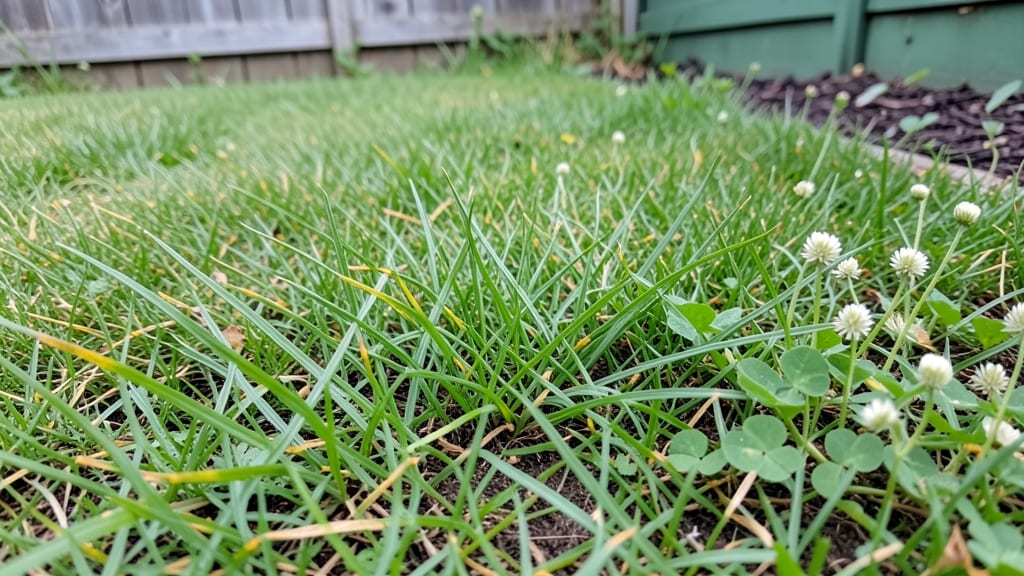
Grass in a garden isn’t just about lawns—it’s about creating lush, living privacy screens that work year-round with almost no fuss. 🌱 I designed my own low-maintenance grass border last spring, and it’s now the green curtain that separates my patio from the neighbor’s driveway, swaying gently even in winter.
The best part? It grows on its own once established, and I spend less time mowing than I do weeding my flower beds.
You don’t need a sprawling yard to pull this off. A 3-foot-wide strip of fine fescue or creeping red fescue planted along a fence or property line does the trick, paired with taller ornamental grasses like Miscanthus or Panicum for texture.
The key is choosing drought-tolerant varieties that stay green through dry spells and don’t require monthly trims. Think of it as a living room divider that actually improves with age—more dense, more vibrant, and completely self-sufficient.
By mid-summer, you’ll have a wall of green that blocks noise, softens views, and adds movement to your garden without the upkeep of hedges. The grass stays velvety soft underfoot (great for bare feet in summer) and provides habitat for pollinators, while the taller grasses add height and drama.
It’s the kind of project that looks effortless once it’s in place—because it is.
Works in any climate, from sunny Southern borders to shaded Northern yards. The only real rule? Start with healthy soil and water it well the first year. After that, it’s basically set-and-forget. Here’s how to make it happen without breaking a sweat.
📚 In This Guide
- What you need
- Instructions
- Tips and common mistakes
- Wrapping up and next steps
What you need
- ● Grass seed: Choose a drought-resistant variety like Buffalo grass (warm-season) or Fine fescue (cool-season). Aim for 1–2 lbs per 100 sq ft for full coverage.
- ● Topsoil: 2–4 inches of nutrient-rich topsoil (check pH balance; ideal range: 6.0–7.0).
- ● Compost: 1–2 inches mixed into topsoil for organic matter and drainage.
- ● Erosion control fabric: 1 roll (50 sq ft) to stabilize soil and prevent weed growth.
- ○ Mulch (optional but recommended): 1–2 inches of straw or pine bark to retain moisture.
- ● Garden rake: For leveling soil and removing debris.
- ● Shovel or spade: To dig trenches or plant borders.
- ● Broadcast spreader: For even seed distribution (or use hand-spreading for small areas).
- ● Garden hose with nozzle: For gentle watering (avoid high pressure).
- ● Knee pads: Because comfort matters when you’re on your hands and knees! 😉
- ● Sunlight assessment: Ensure your privacy screen gets at least 4–6 hours of sunlight daily (adjust seed choice for shade-tolerant varieties if needed).
- ● Soil test: Check local extension services for a free or low-cost soil test to confirm pH and nutrient levels.
- ○ Water source: A drip irrigation system (optional but ideal) or a hose with a soaker nozzle.
- ● Time commitment: Week 1–2 for prep, 3–4 weeks for germination, and ongoing minimal upkeep (mowing every 4–6 weeks).
How to create a low-maintenance grass privacy screen in your garden
This method transforms any sunny patch into a lush, evergreen barrier that thrives with minimal effort.
🌱 Step 1: Choose and Prepare the Right Grass Variety
Select a fast-growing, clump-forming grass like fountain grass (Pennisetum) or maiden grass (Miscanthus) for dramatic height (3-6 feet) and texture. Avoid spreading grasses—they’ll take over your garden. I’ve found that dwarf varieties like 'Little Bunny' fountain grass work perfectly for smaller spaces.
Check your hardiness zone to pick a grass that stays green year-round in your climate. For example, Miscanthus sinensis 'Zebrinus' handles cold winters beautifully. Plant in spring or early fall when soil temperatures are 50-70°F—this gives roots time to establish before extreme heat or cold.
🪴 Step 2: Design and Plant for Maximum Privacy
Sketch a U-shape or straight line along your property line, spacing plants 18-24 inches apart for a dense screen. Dig holes twice as wide as the root ball and 1 inch deeper to encourage root spread. I like to plant in a staggered pattern—like bricks—to fill gaps faster.
Amend the soil with compost (if not already rich) and avoid fertilizing at planting. Too much nitrogen now makes grass leggy and weak. Water deeply after planting to eliminate air pockets, then let the soil settle for 24 hours before watering again.
☀️ Step 3: Provide Sunlight and Water Strategically
Most ornamental grasses need full sun (6+ hours daily) for vibrant color and strong growth. If your garden gets only partial shade, choose varieties like 'Karl Foerster' feather reed grass, which tolerates 4-6 hours of sun. Watch for yellowing leaves—this signals either too much shade or overwatering.
Water deeply once a week (or more in extreme heat) until the grass is 1-2 years old. After that, most grasses become drought-tolerant. I water in the early morning to reduce fungal risks. Once established, mulch with 2-3 inches of shredded bark to retain moisture and suppress weeds.
✂️ Step 4: Prune for Shape and Health
Cut back old foliage in late winter or early spring (just before new growth starts) to keep your screen looking tidy. Never cut into the brown seed heads—they protect the crown over winter. I use clean, sharp shears to avoid tearing leaves, which can invite disease.
Divide clumps every 3-4 years in spring if growth slows. Dig up the entire plant, separate the root ball into 3-5 sections, and replant. This rejuvenates the grass and fills in any thin spots. Watch for powdery mildew—this usually means your grass is getting too much shade or isn’t getting enough airflow.
Tips & tricks for perfect year-round grass privacy screens
Creating a lush, low-maintenance privacy screen takes more than just planting grass—here's what I've learned to make it thrive with minimal effort.
Soil Temperature Matters: Planting when soil temperatures are between 50-70°F (like in spring or early fall) gives your grass roots the best chance to establish before extreme weather hits. I've seen plants struggle when planted in hot summer soil—roots just can't get a foothold. Test your soil temperature with a simple thermometer if you're unsure, and wait for the perfect window.
Planting Pattern Secret: The staggered brick pattern I mentioned really works—it creates an instant dense look while giving each plant room to spread naturally. For a 6-foot-tall screen, I space my plants about 2 feet apart in the front row and gradually widen to 24 inches in the back row. This creates that beautiful layered effect while preventing gaps from forming as they grow.
Watering Wisdom: That 24-hour settling period before your first watering after planting is crucial—it lets the soil compact naturally around the roots. After that, watering deeply once a week (or more in extreme heat) is perfect for establishing your screen. I set a timer on my irrigation system to remind me, because many people forget once the grass looks settled. The key is getting water down to those roots, not just wetting the surface.
Pruning Pro Tip: When you're ready to cut back old foliage in late winter, don't just grab your shears and hack away. Look for the natural growth lines where the old foliage meets the new—this is where you should make your clean cut. I've ruined some beautiful plants by cutting too low, which can expose the crown to cold and disease. And always clean your shears with rubbing alcohol between cuts to prevent spreading any potential pathogens.
Pro Tips for Grass In A Garden
- Creating a lush, low-maintenance privacy screen takes more than just planting grass—here's what I've learned to make it thrive with minimal effort.
- Soil Temperature Matters: Planting when soil temperatures are between 50-70°F (like in spring or early fall) gives your grass roots the best chance to establish before extreme weather hits.
- Planting Pattern Secret: The staggered brick pattern I mentioned really works—it creates an instant dense look while giving each plant room to spread naturally.
Frequently asked questions
Got questions about keeping grass as a lush, low-maintenance privacy screen?
You’re not alone! Here are answers to the most common queries—because even the greenest thumbs need a little help now and then.
How often should I mow grass for a privacy screen?
For a dense, natural-looking screen, aim to mow every 1–2 weeks during the growing season (spring to fall). In winter, reduce to every 3–4 weeks or let it grow taller (up to 6–8 inches) for extra coverage. Use a sharp blade set to 3–4 inches to encourage thick growth and deter weeds.
When is the best time to plant grass seed for a privacy screen?
Plant in early spring or late summer (September) for ideal germination. Soil temps should be 60–75°F, and you’ll need consistent moisture for the first 2–3 weeks. Avoid seeding in peak summer heat or freezing winter—both stress young grass. Pro tip: Test soil pH (6.0–7.0) and amend with compost for faster growth!
What’s a good alternative if I don’t want to mow?
Try ornamental grasses (like fountain grass or maiden grass) or hedges (e.g., boxwood, privet, or arborvitae) for zero-mow privacy. For a mix of texture, pair grasses with evergreen shrubs or climbing vines (e.g., ivy or clematis) on trellises. Just ensure your state’s climate supports the plants!
How do I keep grass thick and prevent weeds or pests?
Start with dense seeding (10–12 lbs per 1,000 sq ft) and water deeply 2–3 times weekly (1–1.5 inches per session). Overseed in early fall to fill bare spots. For pests: Apply pre-emergent herbicide in spring (follow label rates) and treat grubs/fungus with neem oil or beneficial nematodes if needed.
Will grass stay green in winter, or should I replace it?
Most cool-season grasses (like Kentucky bluegrass or fescue) turn dormant brown in winter but rebound in spring. Warm-season grasses (e.g., Bermuda) die back completely. If your grass stays thin or patchy year-round, consider overseeding with winter-hardy varieties or switching to evergreen hedges for 4-season coverage.
Is grass cheaper than other privacy screen options?
Upfront, grass is budget-friendly ($0.50–$2 per sq ft for seed vs. $5–$15 for shrubs). However, factor in water, fertilizer, and mowing costs ($200–$500/year). Alternatives like fast-growing trees (e.g., Leyland cypress) or privacy fences may cost more initially but save long-term. Compare local material prices before deciding!
Wrapping up and next steps
Transforming your garden into a lush, low-maintenance privacy screen is easier than you think!
By choosing the right grass varieties—like zoysia, buffalo grass, or fescue—and following simple care tips, you’ll enjoy year-round greenery with minimal effort. Start small, experiment with different blends, and soon your backyard will feel like a serene retreat.
🌱 Your Next Step:
Ready to dive in? Pick one grass type that suits your climate, test a small patch, and watch your garden thrive! Need more inspiration? Explore our guide on seasonal grass care for extra tips.