
Tools
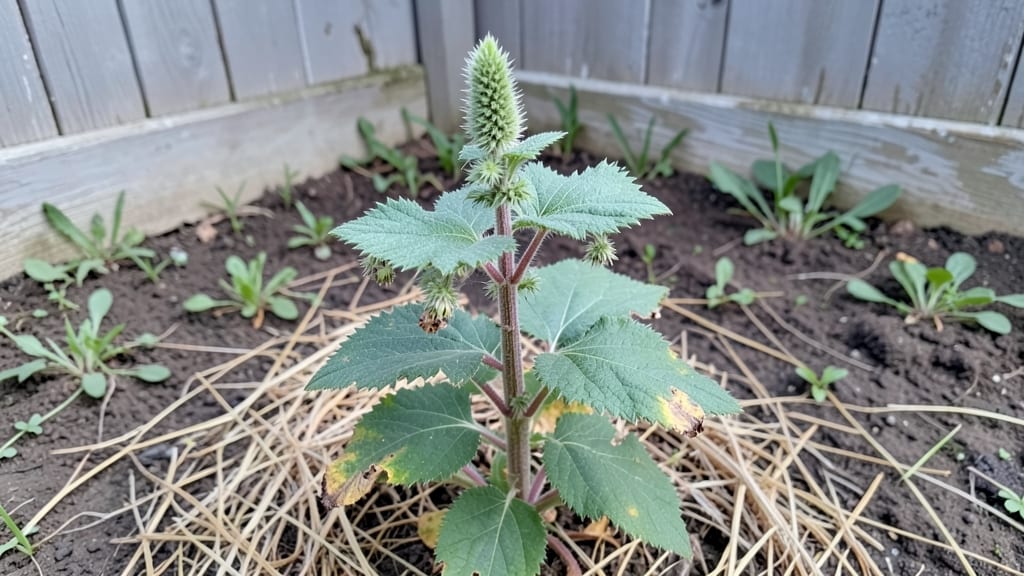
A stinging nettle garden transforms bare spots into a thriving, wildlife-friendly hedge that thrives where most plants fail. 🌿 I planted mine last spring after struggling with invasive weeds—now it’s a lush, 6-foot-tall privacy screen that needs no trimming. The key? Understanding how nettles grow and where they belong.
Nettles love sun or partial shade, rich soil, and regular water—once established, they’re nearly indestructible. I pair mine with comfrey and mint to suppress weeds naturally, while the tall stems provide shelter for bees, butterflies, and even birds.
The only catch? Those stinging hairs, but I’ll show you how to handle them safely.
By summer, your garden will hum with activity as pollinators flock to the flowers, and by fall, the dried stems become a windbreak. The best part? Nettles improve soil fertility and can be harvested for tea, soup, or fiber—if you dare. Ready to try this tough, beautiful plant?
Works in permaculture beds, urban edges, or even as a living fence. Just give it space—nettles won’t be subtle, but they’ll be spectacular. Let’s get growing!
📚 In This Guide
- What you need
- Instructions
- Tips and common mistakes
- Wrapping up and next steps
What you need
- ● Stinging nettle seeds or young plants: 1–2 lbs of seeds (or 10–15 nursery-grown plants for faster growth)
- ● Pro tip: 💡 Buy organic seeds to avoid pesticides that may harm beneficial insects.
- ● Garden space: Sunny to partially shaded area (6+ hours of sunlight for best growth)
- ● Well-draining soil (amend with compost if needed)
- ● Basic gardening tools: Hand trowel or small spade
- ● Garden gloves (thick, long-sleeved for protection!)
- ● Watering can or hose with a gentle spray nozzle
- ● Compost or organic fertilizer (to boost growth)
- ● Mulch (straw or wood chips to retain moisture)
- ● Trellis or stakes (if training vines for a taller screen)
- ● Pruning shears (for shaping and maintenance)
How to establish a thriving stinging nettle privacy screen
This hardy perennial delivers dense, year-round screening with minimal care once established.
🌱 Step 1: Select and Prepare Your Planting Site
Stinging nettles thrive in partial to full shade, making them ideal for northern exposures or tight urban spaces where sunlight is limited. Test your soil's moisture retention by digging a 6-inch deep hole—if water pools after 30 minutes, the site is perfect. Nettles tolerate poor, rocky, or clay-heavy soil but grow most vigorously in moist, fertile loam with pH between 6.0 and 7.5.
Clear the area of competing weeds or grasses, then loosen the top 4 inches of soil with a broadfork or garden fork. Avoid tilling, which disrupts beneficial soil microbes. If your soil is particularly compacted, mix in 2 inches of compost (but skip this if your soil is already rich—nettles are adaptable but not fussy). Mark planting rows 18 inches apart to allow for future expansion.
🌿 Step 2: Plant Nettle Crowns or Seeds Strategically
For fastest results, plant bare-root crowns (available from specialty nurseries) in early spring or fall, when soil temperatures are below 70°F. Space crowns 12-18 inches apart in rows, ensuring the top of the root ball sits just below soil level. Press firmly to eliminate air pockets, then water deeply until moisture reaches 6 inches down.
If starting from seed, sow in late spring after the last frost, when soil is at least 55°F. Scatter seeds ¼ inch deep in prepared rows, then lightly cover with soil. Keep the planting area consistently moist—nettle seeds require 14-21 days to germinate. Thin seedlings to 12 inches apart once they reach 4 inches tall, snipping unwanted stems at the base with clean pruners.
💧 Step 3: Water and Mulch for Optimal Growth
Nettles establish best with 1 inch of water per week, delivered either through rainfall or supplemental irrigation. Water deeply every 5-7 days during the first growing season, focusing on the root zone to encourage deep growth. Avoid overhead watering, which can spread fungal spores. Once established, nettles are drought-tolerant but will grow more slowly in dry conditions.
Apply a 2-inch layer of straw mulch around plants, keeping it 6 inches away from stems to prevent rot. Mulch retains moisture, suppresses weeds, and moderates soil temperature. Refresh the mulch annually in early spring as it decomposes. Fertilizer isn’t necessary unless your soil is extremely poor—in that case, apply a balanced organic fertilizer (10-10-10) in early spring at half the recommended rate.
✂️ Step 4: Prune for Density and Manage Spread
Cut back dead or yellowed stems in early spring before new growth begins, using clean, sharp pruners to prevent disease. In mid-summer, trim stems back by one-third to encourage bushier growth and prevent legginess. Wear long sleeves and gloves—nettle hairs can cause irritation. If plants spread aggressively, contain them with underground barriers (like buried plastic sheeting) or divide clumps every 3-4 years to maintain vigor.
Harvest leaves for fiber or tea by snipping outer stems in late spring or early summer, leaving at least half the plant intact to ensure regrowth. Never harvest more than 30% of the plant in a single season, as this weakens the screen’s density. After harvesting, water deeply to support recovery.
⏰ Step 5: Overwinter and Prepare for Next Season
Nettles are fully cold-hardy in USDA zones 3-9, requiring no winter protection. In zone 2 or colder, mound 6 inches of mulch around the base for insulation. Prune dead stems in late winter (just before new growth appears) to tidy the screen. Avoid heavy pruning in fall, as this reduces the plant’s ability to store energy for spring.
In early spring, remove old mulch and replace it with fresh straw. Check for overwintering pests like slugs or aphids—handpick any visible infestations and treat with neem oil if needed. Nettles rarely suffer from pests, but powdery mildew can occur in humid conditions. Improve airflow by thinning dense patches if fungal spots appear.
Tips & tricks for perfect stinging nettle privacy screens
These game-changing strategies will help you cultivate a thriving nettle screen that outlasts traditional hedges with minimal effort.
Soil Test Tip: That 30-minute water retention test in Step 1 is your golden rule for ideal planting conditions. If water drains too quickly, your soil lacks moisture retention—amend with 1 inch of compost mixed into the top 6 inches of soil. If water pools, you’ve got perfect conditions and can skip compost entirely. Nettles are tough, but they’ll reward you most when their roots stay consistently moist but not soggy.
Planting Strategy: When planting bare-root crowns in Step 2, I always soak the roots in water for 15-20 minutes before planting—this helps rehydrate them and reduces transplant shock. For seeds, don’t be tempted to plant deeper than ¼ inch; nettle seeds need light to germinate. I’ve found that pressing them lightly into the soil (rather than covering) actually improves germination rates.
Watering Wisdom: The 1 inch per week guideline in Step 3 works beautifully, but I’ve learned that morning watering is key—it gives leaves time to dry before evening, reducing fungal risks. If you’re using drip irrigation, place emitters 6 inches from stems to avoid wetting foliage. And here’s a pro move: water deeply once a month with a diluted fish emulsion (1 tbsp per gallon) to boost growth without over-fertilizing.
Pruning Precision: When you trim stems back by one-third in mid-summer (Step 4), focus on removing the oldest growth first—this encourages new, bushier shoots. I always sterilize my pruners with rubbing alcohol between cuts to prevent disease spread. For harvesting leaves, I use clean scissors and cut just above a leaf node to stimulate branching. Never take more than 30% of the plant’s foliage in a single harvest, or you’ll weaken its screening ability.
Pro Tips for Stinging Nettle Garden
- These game-changing strategies will help you cultivate a thriving nettle screen that outlasts traditional hedges with minimal effort.
- Soil Test Tip: That 30-minute water retention test in Step 1 is your golden rule for ideal planting conditions.
- Planting Strategy: When planting bare-root crowns in Step 2, I always soak the roots in water for 15-20 minutes before planting—this helps rehydrate them and reduces transplant shock.
Frequently asked questions
Got questions about growing a stinging nettle garden? You’re not alone—this fast-growing, privacy-friendly plant raises curiosity (and sometimes concerns!). Here are answers to the most common queries to help you get started with confidence.
Can stinging nettles grow in full shade?
While nettles thrive in partial shade, they prefer at least 4–6 hours of sunlight daily for optimal growth. In full shade, they’ll grow slower and may become leggy. If your space is shady, consider pairing them with sun-loving plants like sunflowers or beans for a layered screen.
How long does it take for a stinging nettle hedge to provide privacy?
Nettles grow rapidly—expect 3–5 feet tall in just one growing season! With consistent watering and fertile soil, you could have a lush, 6-foot-tall privacy screen by late summer. Pro tip: Plant in early spring for maximum height by fall.
Are stinging nettles safe for pets or kids?
Yes, but with precautions! The stinging hairs (which contain formic acid) can irritate skin—wear gloves when handling. Once established, nettles are non-toxic to pets if ingested in small amounts, though large quantities may cause mild stomach upset. Teach kids to avoid touching them!
What’s the best way to control nettle spread?
Nettles self-seed aggressively, so contain them with deep root barriers (like buried plastic or edging) or by mowing back seed heads before they release. If spreading is a concern, harvest leaves regularly to redirect energy into growth instead of reproduction.
Can I eat nettles from my garden?
Young, tender leaves (harvested before flowering) are packed with iron, vitamins A/C, and protein. Blanch or cook them first to neutralize the sting—try them in soups, teas, or pesto. Never eat raw nettles unless you’ve confirmed they’re pesticide-free!
Wrapping up and next steps
Creating a stinging nettle garden is a game-changer for eco-friendly, low-maintenance privacy—plus, it’s packed with benefits for your yard and the planet! 🌿 Whether you’re drawn to its fast growth, wildlife-friendly appeal, or versatile uses, this hardy plant delivers year-round without the fuss.
Ready to transform your space? Start small: plant a few clumps, monitor their progress, and expand as you see fit. Soon, you’ll have a thriving, self-sustaining screen that’s as beautiful as it is practical!