
Tools
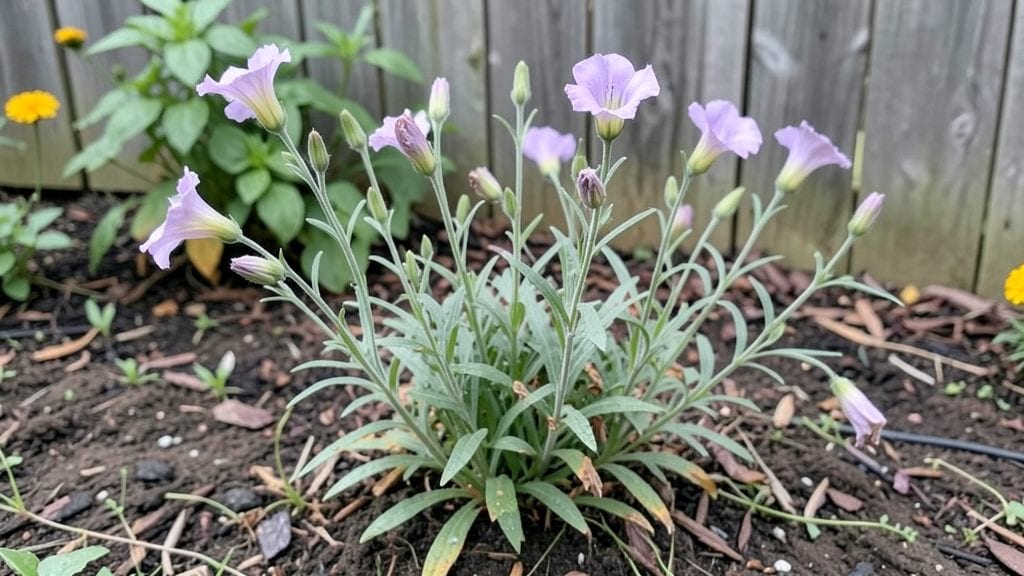
Lisianthus transforms garden borders into soft, romantic displays that last from summer through fall. 🌸 I’ve used them to create drama in my own beds—those velvety blooms in blush, lavender, and deep rose add texture and fragrance that no other perennial matches.
The key is treating them like the showstoppers they are: plant them where they’ll be the first thing visitors notice, but pair them with foliage that won’t overwhelm their delicate petals.
Start with 3-5 plants per border to avoid overcrowding, and space them 18-24 inches apart for that lush, cascading look. They thrive in full sun to partial shade, so front them with shorter perennials like salvia or coreopsis to highlight their height.
The real magic happens when you mix colors—try pairing blush lisianthus with dusty miller or deep purple verbena for a garden that feels like a living watercolor.
What you’ll end up with is a garden that stays vibrant when most perennials fade. Those late-season blooms provide structure when other flowers quit, and the fragrance lingers in the evening air.
The best part? Lisianthus comes back stronger every year, so once you plant them, they become the backbone of your seasonal design.
Works equally well in containers, cottage-style gardens, or modern borders. Here’s how to make them the star of your space without the fuss—no deadheading required, just pure, reliable beauty.
📚 In This Guide
- What you need
- Instructions
- Tips and common mistakes
- Wrapping up and next steps
What you need
- ● Lisianthus plants: 3–5 per square foot (choose varieties like Lisianthus russelianus or L. thibaudieri for best results). Opt for bare-root or container-grown plants in spring or early fall.
- ● Well-draining soil: Mix 1 part compost with 2 parts native soil (pH 6.0–7.0). Test soil with a pH meter or test kit.
- ● Organic mulch: 2–3 inches of shredded bark, pine straw, or compost to retain moisture and suppress weeds.
- ● Watering can or hose: With a gentle spray nozzle (lisianthus hates soggy roots!).
- ● Pruning shears: Bypass-style (sharp, clean cuts to avoid disease).
- ● Garden gloves: Heavy-duty for handling thorny stems or rough mulch.
- ○ Stakes or cages: (Optional but helpful!) 5–6 ft tall for tall varieties like Lisianthus ‘Twilight’.
- ● Slow-release fertilizer: 10-10-10 NPK ratio (apply in early spring and midsummer).
- ● Drip irrigation system: For automated, low-stress watering (lisianthus loves consistency!).
- ● Companion plants: Pair with lavender, salvia, or ornamental grasses for a fragrant, pollinator-friendly garden.
- ● Garden markers: Biodegradable labels to track varieties and bloom times.
- ● Seasonal blooms: Extend beauty with winter-hardy varieties (e.g., Lisianthus ‘Red Riding Hood’) or cut flowers for arrangements.
How to design a lisianthus garden for season-long blooms
This fragrant perennial thrives with the right placement and care—here’s how to create a showstopping display.
🪴 Step 1: Choose the Perfect Planting Site
Lisianthus demands full sun to partial shade—at least 6 hours of direct sunlight daily for peak blooms. I always scout the garden first: mark spots where morning sun warms the soil but afternoon shade keeps leaves from scorching. If your climate runs hot, opt for morning sun with afternoon shade—this prevents the delicate petals from wilting midday.
Test the soil’s drainage by digging a 12-inch hole and filling it with water. If it drains in under 30 minutes, the site is ideal. Slow drainage? Amend with 2-3 inches of coarse sand or perlite mixed into the top 12 inches of soil before planting. Wet feet will rot lisianthus roots faster than you’d expect.
☀️ Step 2: Prepare the Soil for Optimal Growth
Lisianthus thrives in well-draining, slightly acidic soil (pH 6.0–6.5). Work 3 inches of compost into the top 12 inches of native soil to loosen texture and enrich nutrients. I avoid fresh manure—it can burn tender roots and disrupt the soil’s microbial balance. For containers, blend equal parts potting mix and perlite to mimic that airy, fast-draining medium.
Spread a 1-inch layer of mulch (like pine bark fines) around each plant after planting. This locks in moisture, regulates soil temperature, and keeps weeds from competing for nutrients. Just keep mulch 2 inches away from stems—piling it against the base invites rot. Replenish mulch annually in spring to maintain protection.
🌱 Step 3: Plant Lisianthus for Long-Stemmed Blooms
Dig holes twice as wide as the root ball but no deeper—lisianthus roots are shallow and hate being buried too deep. Gently tease apart crowded roots before placing the plant in the hole. Space 24–36 inches apart for single-stemmed varieties or 18–24 inches for bushier types. Crowding leads to weak stems and fewer blooms.
Water deeply right after planting to settle the soil and eliminate air pockets. You’ll know it’s right when the surface looks slightly compacted but not muddy. Avoid overhead watering for the first 48 hours—this prevents soil from splashing onto leaves, which can trigger fungal issues. Instead, water at the base with a soaker hose or drip irrigation.
⏰ Step 4: Maintain Watering and Fertilizing for Continuous Blooms
Lisianthus needs consistent moisture—about 1 inch of water per week, more in extreme heat. I check soil moisture by sticking my finger 2 inches deep: if it feels dry, water thoroughly. Let the top 1–2 inches dry between waterings to prevent root rot. Overwatering is the #1 killer—wilting leaves often mean soggy roots, not thirst.
Feed plants every 4–6 weeks during the growing season with a balanced, water-soluble fertilizer (10-10-10). Cut back to half-strength in late summer to avoid leggy growth. Deadhead spent blooms weekly by pinching off flowers just above the next set of leaves. This redirects energy to new buds and extends the blooming season by 4–6 weeks.
✂️ Step 5: Prune and Overwinter for Next Year’s Beauty
After the first frost, cut back stems to 4–6 inches tall—this protects the crown from winter dieback. I leave 2–3 inches of growth on perennials to mark their location and encourage early spring regrowth. Mulch heavily (4–6 inches) around the base with straw or shredded leaves to insulate roots through cold snaps.
In early spring, remove old mulch and prune back any dead or weak stems. New growth appears within 2–3 weeks if temperatures stay above 50°F. Avoid fertilizing until you see new leaves—this prevents burning tender shoots. With proper care, lisianthus returns stronger each year, rewarding patience with longer stems and bigger blooms.
Tips & tricks for perfect lisianthus garden design
Creating a lisianthus garden that blooms beautifully year after year takes attention to detail—here are the secrets I've learned from years of trial and error.
Sunlight Strategy: That 6 hours of daily sunlight is non-negotiable, but here's the thing: morning sun with afternoon shade is ideal in hot climates. I've seen lisianthus petals wilt dramatically when exposed to full afternoon sun—even just 2 hours of direct afternoon heat can cause this. If your garden only gets strong sun in the afternoon, consider planting lisianthus in containers that you can move to shadier spots during peak heat hours.
Drainage is Everything: The 30-minute drainage test is crucial, but don't stop there. After amending your soil with 2-3 inches of perlite, I recommend adding a 2-inch layer of small gravel at the bottom of planting holes for extra insurance against waterlogging. This creates a natural drainage layer that prevents those wet feet issues that can kill lisianthus roots. Trust me on this—once roots start rotting, it's nearly impossible to revive the plant.
Mulching Mastery: That 1-inch layer of mulch you spread after planting is just the beginning. In late summer, I double that to 2 inches to help regulate soil temperature and retain moisture during dry spells. The key is keeping it 2 inches away from stems—piling mulch against the base creates the perfect environment for rot. I also use a different mulch strategy in containers: I mix perlite right into the potting soil instead of using surface mulch, which helps prevent compaction.
Fertilizer Timing: The every 4-6 weeks feeding schedule works wonders, but here's what nobody tells you—the transition to half-strength in late summer is critical. I've seen lisianthus plants grow leggy and weak when fertilized too heavily in hot weather. Instead, I switch to a seaweed-based fertilizer at this time, which provides micronutrients without promoting excessive growth that can't handle the heat. The weekly deadheading is equally important—it's the difference between a 4-week bloom season and one that stretches to 10 weeks.
Pro Tips for Lisianthus In Garden
- Creating a lisianthus garden that blooms beautifully year after year takes attention to detail—here are the secrets I've learned from years of trial and error.
- Sunlight Strategy: That 6 hours of daily sunlight is non-negotiable, but here's the thing: morning sun with afternoon shade is ideal in hot climates.
- Drainage is Everything: The 30-minute drainage test is crucial, but don't stop there.
Frequently asked questions
Got questions about growing and styling lisianthus in your garden? Here are some common ones—and their answers—to help you create a fragrant, long-blooming display with ease!
When is the best time to plant lisianthus?
For spring-blooming varieties, plant lisianthus in early spring (after the last frost) or late summer for fall blooms. Year-round bloomers (like Eustoma grandiflorum) thrive when planted in warm soil (60°F+). Start seeds indoors 8–10 weeks before the last frost for a head start!
How often should I water lisianthus?
Keep soil consistently moist but not soggy—lisianthus hates drought stress! Water deeply 2–3 times per week (more in extreme heat). Mulch around plants to retain moisture and prevent weeds. Pro tip: Water at the base (not leaves) to avoid fungal diseases like powdery mildew.
Can lisianthus grow in containers?
Choose large containers (12"+ diameter) with drainage holes and well-draining potting mix. Dwarf varieties (like ‘Blushing Bride’) work best. Place pots in partial shade to prevent wilting. Just remember: container-grown lisianthus may need daily watering in hot weather.
What pests or diseases should I watch for?
Common issues include aphids, spider mites, and whiteflies (spray with neem oil if spotted). Overwatering can lead to root rot or fungal issues. Prevent problems by:
- Pruning dead blooms regularly
- Avoiding wet foliage
- Using balanced fertilizer (10-10-10) monthly
What are some great lisianthus color combos for gardens?
Try these show-stopping pairings:
- Soft pink + lavender (elegant and romantic)
- Deep purple + white (dramatic contrast)
- Blush + yellow (cheerful and bright)
Mix with salvia, dusty miller, or ornamental grasses for texture. Bonus: Lisianthus blooms last weeks in vases—perfect for cut arrangements!
Wrapping up and next steps
Incorporating lisianthus into your garden is a fantastic way to add year-round elegance with its delicate blooms and intoxicating fragrance. Whether you’re a seasoned gardener or just starting, these perennials offer low-maintenance beauty and adaptability to various climates.
With the right care and placement, you’ll enjoy a garden that thrives and delights the senses!
Ready to transform your outdoor space? Start small—plant a few lisianthus in a sunny spot, experiment with companion plants, and watch your garden flourish. Happy gardening! 🌸🌿