
Tools
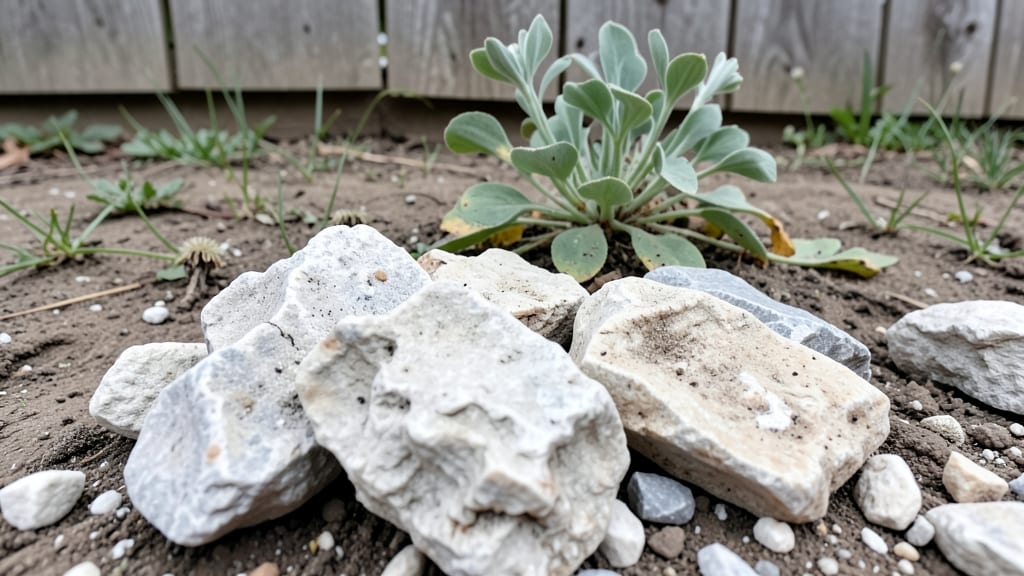
Using limestone in your garden raises soil pH by neutralizing acidity, creating ideal growing conditions for alkaline-loving plants like azaleas, blueberries, and vegetables. Spread 1–2 pounds per 100 square feet, mixing it into the top 6 inches of soil each year or as needed.
Limestone—made of calcium carbonate—acts like a natural buffer, gradually raising soil pH to unlock nutrients plants need. 🌱 For example, tomatoes and peppers flourish in slightly alkaline soil (pH 6.0–7.0), while acid-loving blueberries may struggle.
I recommend testing your soil first: most garden centers offer affordable kits. If your soil is already neutral or alkaline, limestone could make conditions too harsh for some plants.
For best results, apply limestone in early spring or fall when soil is moist but not saturated. Work it into the top 6 inches using a garden fork or tiller, ensuring even distribution. Over time, this amendment helps maintain stable pH levels, reducing the need for frequent adjustments.
💡 In This Article
- How Limestone Adjusts Soil pH and Boosts Plant Health
- Best Plants for Limestone-Amended Soil and Application Tips
How limestone adjusts soil pH and boosts plant health
Limestone works its magic through a simple but powerful chemical reaction. When you add calcium carbonate (the main component of limestone) to acidic soil, it reacts with hydrogen ions—those tiny, positively charged particles that make soil acidic.
This reaction neutralizes the acidity by converting hydrogen ions into water and carbon dioxide, effectively raising the soil's pH. 🌿 The process is gradual, which is why limestone acts as a long-term buffer rather than an instant fix.
For example, in highly acidic soil (pH below 5.5), limestone can raise the pH by 1-2 points over a few months, depending on the soil type and rainfall.
Here's what happens at the microscopic level: Calcium ions from the limestone replace hydrogen ions bound to soil particles, creating a more stable environment for plant roots. This isn't just about raising pH—it's about unlocking nutrients.
Phosphorus, for instance, becomes far more available to plants in slightly alkaline conditions (pH 6.0-7.0), which is why limestone-amended soil often shows improved growth in vegetables like broccoli and cabbage.
The calcium itself also strengthens cell walls in plants, making them more resilient to diseases like blossom end rot in tomatoes.
Different soil types respond uniquely to limestone.
In sandy soils, which drain quickly, limestone's effects are more immediate but shorter-lived—you might see pH changes within weeks, but they'll fade faster without reapplication. Clay soils, on the other hand, hold onto limestone's benefits longer because their dense structure traps the calcium carbonate, releasing it slowly over months. Loamy soils strike a balance, offering steady pH adjustment that lasts 1-3 years depending on your climate.
The key is testing your soil's texture first: sandy soils may need more frequent applications, while clay soils can go longer between treatments.
Timing matters just as much as the amount. The best windows are early spring (before planting) or fall (after harvest), when soil moisture levels are moderate. Applying limestone in winter can wash away before it works, while summertime heat accelerates the chemical reaction—sometimes too quickly, leading to uneven pH shifts.
For container gardens, mix limestone into the potting soil at a rate of 10-20% by volume, especially for plants like lavender that crave alkaline conditions. The granular form works best because it dissolves slowly, giving you control over the pH adjustment process.
What most gardeners overlook is how limestone interacts with organic matter. As it breaks down, limestone releases magnesium (another essential nutrient) and helps stabilize soil structure by improving aggregation. This means better water retention and aeration—critical for root health.
For instance, in a 100-square-foot garden bed with acidic loam, applying 1.5 pounds of limestone in spring could raise the pH from 5.5 to 6.5 by midsummer, creating ideal conditions for vegetables like Brussels sprouts or herbs like rosemary.
The results aren't just numerical—they're visible in stronger stems, deeper green foliage, and more abundant blooms.
One common mistake is assuming more limestone equals better results. Overapplication can create soil that's too alkaline (pH above 7.5), which locks out micronutrients like iron and manganese. Always test your soil before and after amending—most home test kits cost under $15 and take just minutes.
For acidic-loving plants like blueberries that you can't remove, consider using limestone only in designated beds while keeping other areas at their preferred pH. This targeted approach gives you the best of both worlds: alkaline-friendly plants thriving where they belong, while acid-lovers get their ideal conditions elsewhere in the garden. 🌱