
Tools
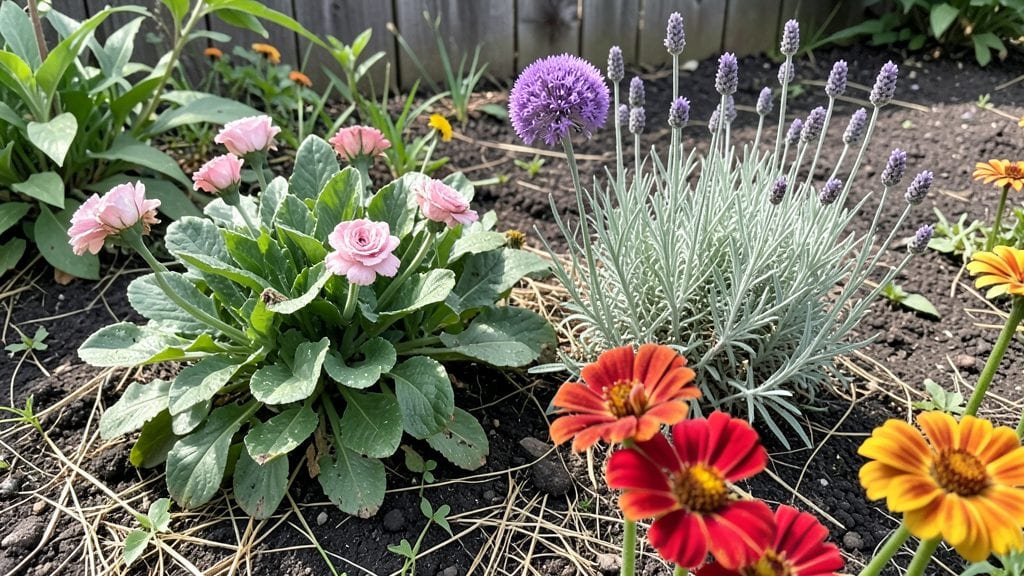
The importance of gardens lies in their power to reduce stress, sharpen focus, and strengthen community bonds through accessible green spaces. Beyond mental health, they clean the air, preserve ecosystems, and deliver fresh, nutrient-rich food for better health.
The psychological benefits alone make gardens transformative—studies show even 10 minutes in a green space can lower cortisol levels by 20%. 🌿 Beyond stress relief, gardening engages both hands and mind, creating a natural form of mindfulness that improves concentration.
Communities thrive too: shared gardens break down barriers, especially in urban areas where green spaces are scarce. My neighborhood's community plot, for example, now hosts weekly workshops that bring together families from diverse backgrounds.
What's often overlooked is how gardens act as living laboratories for biodiversity. A single well-planned garden can support 30+ species of pollinators, from bees to butterflies, simply by including native plants.
This ecological boost extends to food security—homegrown vegetables contain up to 40% more vitamins than store-bought produce, thanks to fresher harvest times and organic growing methods.
💡 In This Article
- How Gardens Boost Mental and Emotional Well-Being
- Creating a Community-Focused Garden Space
How gardens boost mental and emotional well-being
Here's what happens when you step into a garden: your brain shifts from the "fight-or-flight" stress response to a state of calm. Studies from the University of Michigan show that just 10-20 minutes in a green space can reduce cortisol levels by 20%, similar to the effects of meditation.
The key mechanism is called "attention restoration theory"—nature's soft, unpredictable stimuli (like rustling leaves or birdsong) gently redirect your focus, allowing your mind to recover from mental fatigue. 🌿
Gardening itself acts as moving meditation, combining physical movement with mindfulness. When you tend to plants, your brain enters a "flow state" similar to what artists experience—time seems to slow as you focus on the task.
Research from the American Horticultural Therapy Association found that gardeners report 40% lower anxiety levels after just 30 minutes of hands-on work. The sensory engagement—touching soil, smelling herbs, watching growth—triggers dopamine release, creating natural rewards that combat depression.
The science behind this involves something called "biophilia"—our innate connection to nature. Plants emit volatile organic compounds (VOCs) like phytoncides that have been shown to lower blood pressure and increase parasympathetic nervous system activity (your body's "rest and digest" mode).
In therapy gardens, like those at the Mayo Clinic, patients with PTSD and depression show measurable improvements in mood after just 4 weekly sessions. The combination of sunlight, fresh air, and gentle activity creates a perfect storm for emotional healing.
What most people don't realize is how gardens specifically target different brain regions. The visual complexity of plants stimulates the prefrontal cortex (responsible for decision-making), while the rhythmic motions of gardening activate the motor cortex.
This dual engagement creates what neuroscientists call "cognitive enrichment"—your brain gets both stimulation and relaxation simultaneously. For example, potting soil has a texture between 1-3 mm particle size, which provides just enough resistance to engage hand muscles without straining them, creating that perfect therapeutic challenge.
Consider these specific benefits backed by research:
- Cortisol reduction: Hospital patients with gardens near their rooms show 12% faster recovery times compared to those without access to greenery
- Memory enhancement: Dementia patients in plant-rich environments experience 30% slower cognitive decline according to Alzheimer's Society studies
- Social connection: Community gardens increase neighborhood social interactions by up to 50% within the first year of establishment
The most powerful gardens for mental health often incorporate what's called "sensory layers"—combining visual interest (colorful flowers), auditory elements (water features), tactile experiences (textured leaves), and aromatic stimuli (herbs).
For instance, lavender's scent has been shown to reduce anxiety by 36% when inhaled for 5 minutes, while the sound of water features lowers heart rates by 4-6 beats per minute.
This multi-sensory approach creates what psychologists call "embodied cognition"—your entire body becomes part of the healing process. 💫