
Tools
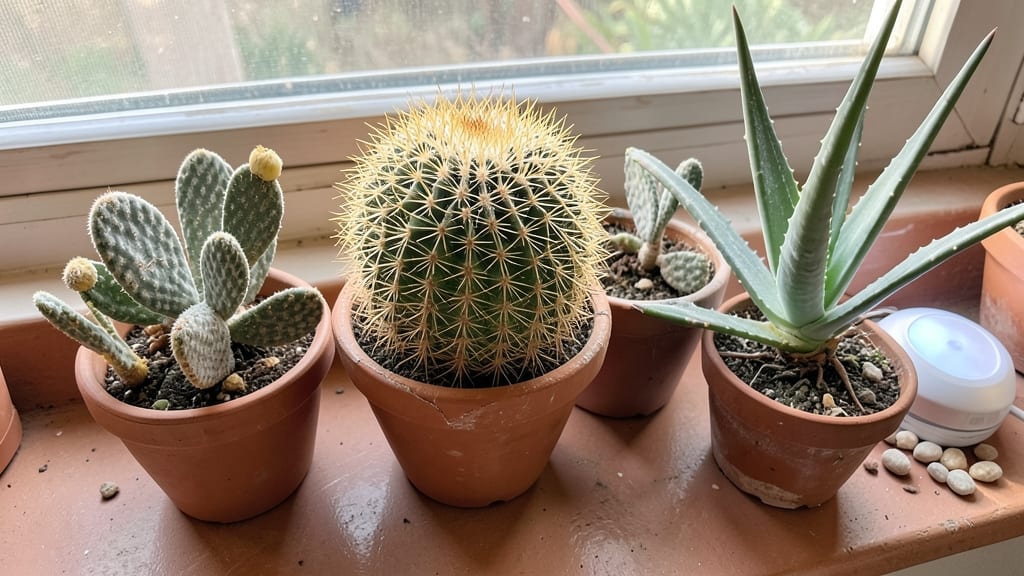
Creating an inside cactus garden transforms any room into a sun-drenched desert retreat without needing a backyard. 🌵 I started mine in a sunroom with just a few pots and a repurposed bookshelf—now it’s the most talked-about corner of my home.
The key isn’t just picking cacti; it’s designing a space where they thrive and look intentional, like a mini botanical gallery.
You’ll need terracotta pots with drainage holes (cacti hate soggy roots), a south-facing window or grow lights, and a mix of small and large varieties to create visual layers.
Think of it like building a shelf: taller cacti like the saguaro in the back, trailing string of pearls cascading down, and echeverias in the front for pops of color. A pebble tray underneath keeps humidity in check, and a spray bottle lets you mist delicate plants occasionally.
The result? A year-round structure that stays lush when houseplants fade, with textures ranging from fuzzy bunny ears to sleek prickly pear pads.
My favorite part is how it shifts with the seasons—spring brings fresh growth, winter adds rustic charm with dried ocotillo branches, and every day, it feels like a piece of the desert moved indoors. Ready to bring that desert magic inside?
Works in apartments, offices, or sunrooms—just adjust lighting and plant choices for your space. The best part? Once set up, it’s low-maintenance—no watering schedules to memorize, no wilting leaves to nurse back to health. Just beauty that lasts.
📚 In This Guide
- What you need
- Instructions
- Tips and common mistakes
- Wrapping up and next steps
What you need
- ● Cacti: 10–20 small to medium-sized cacti (e.g., Mammillaria, Echeveria, or Haworthia—choose varieties that thrive indoors).
- ● Vertical planter: 1–2 pre-made vertical cactus planters (e.g., wooden pallet planters, wall-mounted pockets, or a DIY frame with fabric pockets).
- ● Potting mix: 5–10 gallons of cactus/succulent soil mix (avoid regular garden soil—it retains too much moisture!).
- ● Drainage materials: 1–2 bags of perlite or pumice (for aeration, ~2 cups per planter).
- ● 1–2 layers of landscape fabric or hardware cloth (to prevent soil from washing out).
- ● Watering can or spray bottle: 1 with a narrow spout (to avoid overwatering).
- ● Gloves: 1 pair of gardening gloves (cacti spines are no joke!).
- ● Support structure: For DIY setups: 2x4 lumber (2–4 pieces, depending on size), zip ties or screws, and landscape fabric.
- ● For hanging: Sturdy hooks or brackets (rated for 10+ lbs each).
- ● Decorative elements: Small pebbles, sand, or mosaic tiles for a desert-themed touch.
- ● Grow lights: 1–2 LED grow lights (if your space lacks natural sunlight).
- ● Humidity tray: 1 shallow tray with pebbles (to increase humidity for tropical cacti like Rhipsalis).
- ● Label tags: Mini plant markers for tracking cactus types.
- ● Fertilizer: Balanced liquid fertilizer (diluted to half-strength, used sparingly).
Step-by-Step instructions for creating a vertical cactus garden
Transform any indoor space into a striking desert oasis with this structured approach.
🪴 Step 1: Select and Prepare Your Vertical Structure
Choose a sturdy vertical planter with drainage holes—I prefer wall-mounted wooden crates or pre-made felt-lined pockets for cacti. A 4-foot-tall structure works perfectly for a balanced look. Clean the surface thoroughly with a 10% bleach solution to prevent fungal issues, then let it dry completely in a sunny spot.
Here's the thing—drainage is non-negotiable. Without it, roots will rot in compacted soil. If your structure lacks holes, drill them yourself. Place a 1-inch layer of pebbles at the bottom before adding soil—this creates an air pocket that prevents waterlogging.
🌱 Step 2: Assemble Soil and Planting Materials
Mix 3 gallons of cactus/succulent soil with 1 gallon of perlite for excellent drainage. This blend prevents the dense soil from suffocating roots. I like to add a slow-release fertilizer (about 1 tablespoon per gallon of soil) to give plants a nutrient boost without risking overfeeding.
Fill each pocket or section halfway with your prepared mix. Press lightly to settle the soil but don't compact it—roots need air. Leave 1 inch of space at the top for watering without spillage. This is where most beginners mess up: overpacking soil leads to poor drainage.
✂️ Step 3: Choose and Position Your Cacti
Select 4-6 cacti of varying heights and textures—this creates visual interest. Start with smaller specimens (3-6 inches tall) for the top pockets and larger ones (6-12 inches) toward the bottom. Handle each cactus carefully with gloves to avoid skin irritation from spines.
Remove plants from their nursery pots and loosen the roots gently. Place each cactus in its designated pocket, burying it to the same depth it was in its original container. Space them 2-3 inches apart—this prevents overcrowding and ensures airflow. Water lightly after planting to help soil settle around the roots.
☀️ Step 4: Establish Light and Watering Routines
Position your vertical garden in a spot with bright, indirect light—a south-facing window is ideal. Cacti need 6-8 hours of light daily, but direct midday sun can scorch delicate species. If natural light is insufficient, supplement with a grow light placed 12 inches away for 12 hours daily. Watch for yellowing or stretching—these are signs of insufficient light.
Water once every 2-3 weeks, allowing the soil to dry completely between waterings. I use the "finger test"—stick your finger 1 inch into the soil. If it feels dry, it's time to water. Overwatering is the #1 killer of indoor cacti. Use a spray bottle for delicate species to avoid disturbing soil.
🌿 Step 5: Maintain and Expand Your Garden
Fertilize once a month during the growing season (spring and summer) with a diluted cactus fertilizer (half the recommended strength). Reduce feeding in fall and winter—cacti enter dormancy and need less nutrients. Prune any dead or damaged growth with sterilized scissors to keep the garden looking fresh.
Rotate your vertical garden quarter-turn weekly to ensure even light exposure. This prevents cacti from leaning toward the light. Every 6-12 months, repot larger specimens into slightly bigger containers to accommodate growth. Here's what I do: I remove the plant, trim any dead roots, and refresh the soil mix.
Tips & tricks for perfect vertical cactus gardens
Creating a stunning vertical cactus garden isn't just about assembly—it's about setting up an ecosystem that thrives. Here are the game-changing details that'll keep your desert oasis flourishing year-round.
Drainage is Everything: In Step 1, that 1-inch layer of pebbles isn't just decoration—it's your first line of defense against root rot. I've seen beginners skip this step and end up with soggy soil that smells like wet socks. For extra insurance, add a layer of landscape fabric over the pebbles before soil to prevent them from mixing in and clogging drainage. This simple barrier makes all the difference when watering.
The Soil Mix Secret: When combining your 3 gallons of cactus soil with 1 gallon of perlite in Step 2, don't just eyeball it—measure precisely. Too much perlite can make your mix too loose, while too little defeats the purpose. I like to add a handful of coarse sand (about ½ cup) to improve aeration further. The goal is a texture that crumbles easily when dry but holds moisture briefly when wet—like a dry riverbed.
Lighting Strategy: That 6-8 hours of daily light in Step 4 isn't just a suggestion—it's non-negotiable for most cacti species. If your space only gets 4 hours of natural light, supplement with a full-spectrum LED grow light on a timer. Position it 12 inches away for those critical 12 hours. Pro tip: Rotate your garden weekly to prevent uneven growth—cacti will lean toward the light source if left stationary.
Watering Wisdom: The finger test in Step 4 is your best friend, but here's what nobody tells you: Test the soil in the driest pocket first—this is where moisture disappears fastest. And when you water, do it thoroughly but infrequently. I use a watering can with a long spout to reach all pockets without disturbing the plants. For delicate species, a spray bottle works wonders, but always water in the morning to prevent fungal growth from evening moisture.
Pro Tips for Inside Cactus Garden
- Creating a stunning vertical cactus garden isn't just about assembly—it's about setting up an ecosystem that thrives.
- Drainage is Everything: In Step 1, that 1-inch layer of pebbles isn't just decoration—it's your first line of defense against root rot.
- The Soil Mix Secret: When combining your 3 gallons of cactus soil with 1 gallon of perlite in Step 2, don't just eyeball it—measure precisely.
Frequently asked questions
What’s the best way to create a vertical cactus garden indoors?
Start with a sturdy frame (like a wooden pallet or wall-mounted grid) and use lightweight, well-draining soil mix. Place cacti in small pots or directly in the frame, spacing them 2–4 inches apart. Ensure proper drainage holes and water sparingly—once every 2–3 weeks is typical. Pro tip: Use a moisture meter to avoid overwatering!
Can I grow cacti indoors year-round without sunlight?
Yes! Use a grow light (LED or fluorescent) for 12–14 hours daily, especially in low-light spaces. South-facing windows work best, but supplement with artificial light if needed. Rotate plants weekly for even growth. Warning: Avoid cold drafts—cacti thrive in 65–85°F (18–29°C)!
How often should I water my indoor cactus garden?
Water only when the soil is completely dry—usually every 2–4 weeks, depending on humidity and pot size. Overwatering is the #1 killer! Use a spray bottle for misting (if humidity is low) or water deeply at the base. Test it: Stick your finger 1–2 inches into the soil—if dry, it’s time!
What are good alternatives to traditional soil for cactus gardens?
Mix cactus/succulent soil with perlite, pumice, or coarse sand (50/50 ratio) for better drainage. Avoid garden soil—it retains too much moisture. For vertical setups, try hydroponic mats or coconut coir blends. Bonus: Add charcoal chunks to prevent rot!
How do I keep pests away from my indoor cactus garden?
Inspect plants regularly for mealybugs, spider mites, or scale. Wipe leaves with rubbing alcohol (70%) or neem oil spray. Quarantine new plants for 2 weeks. Increase airflow with a small fan to deter pests. Prevention tip: Avoid overwatering—pests love damp soil!
Can I reuse materials from an old vertical garden?
Yes! Clean frames, pots, and soil thoroughly with bleach solution (1:10 ratio) or soapy water to kill pests/diseases. Sterilize tools with rubbing alcohol. Refresh soil with new perlite/sand mixes to prevent nutrient depletion. Recycle smart: Upcycle pallets or crates for eco-friendly frames!
Wrapping up and next steps
Stepping into your own vertical desert oasis is more than just a gardening project—it’s a bold statement of sustainability, creativity, and low-maintenance beauty. 🌵✨ Whether you’re drawn to the sleek lines of modern design or the rustic charm of natural textures, a cactus garden transforms any space into a thriving, eco-friendly haven.
With the right materials and a little patience, you’ll enjoy a year-round focal point that’s as resilient as it is stunning.
Ready to bring this vision to life? Start small—pick a corner, gather your supplies, and let your green thumb (or even a beginner’s curiosity!) guide the way. Your desert retreat awaits!