Tools
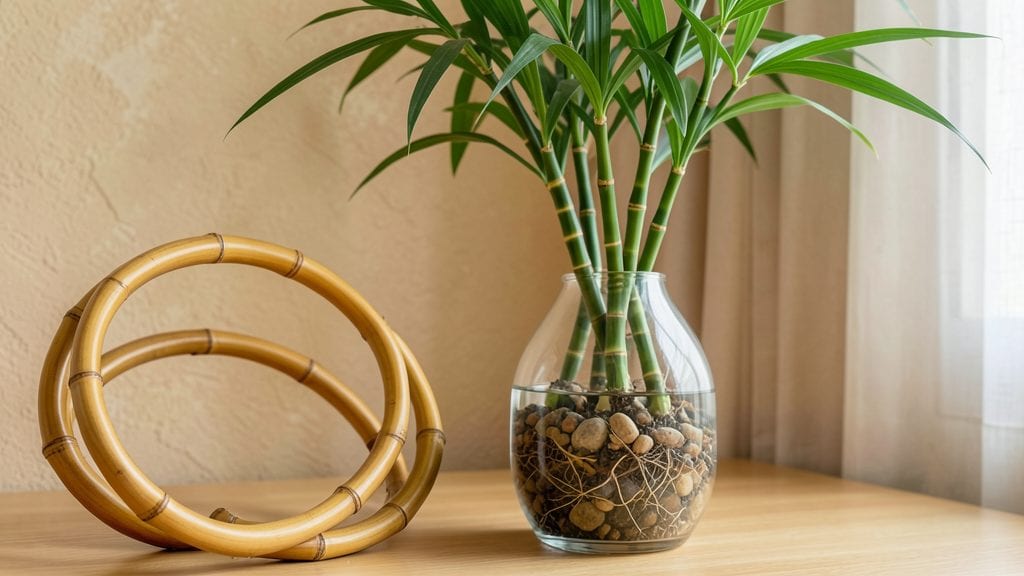
A bamboo hoops garden can turn an ugly fence into a thriving, vine-covered privacy haven—here’s how I did it after giving up on sagging lattice panels. solution that actually improves with time.
The best part? You can install them in under an hour without heavy tools or permanent changes to your yard.
These simple hoops—just 2-inch-wide bamboo strips bent into circles—work like magic when paired with the right plants. Climbing roses, clematis, or even jasmine will twine through them, creating a romantic, textured curtain that blocks nosy neighbors while adding value to your home.
The key is spacing them 12-18 inches apart along a string line, then training vines to spiral upward naturally. No trellis looks this good and this easy.
By late summer, your hoops will disappear under a sea of green, turning an otherwise dull corner into a showstopping feature. The vines provide shade in summer, insulation in winter, and year-round interest—plus, you’ll hear birds nesting in the foliage by spring.
It’s the kind of project that makes neighbors ask, "How’d you do that?" while you sip lemonade in your suddenly private oasis.
Works for urban balconies, rural property lines, or even as a dramatic entryway accent. The only limit is your imagination—and whether you go for bold climbers or delicate flowering vines. Let’s get those hoops installed before the first warm day!
📚 In This Guide
- What you need
- Instructions
- Tips and common mistakes
- Wrapping up and next steps
What you need
- ● Bamboo hoops: 10–20 hoops (depending on desired height and coverage; 3–4 ft tall, 12–18 inches in diameter)
- ● Bamboo stakes: 10–20 stakes (6–12 inches long, ½-inch diameter) to secure hoops in the ground
- ● Twine or jute twine: 50–100 ft (for weaving and securing plants)
- ● Fast-growing vines: 20–50 plants (e.g., morning glories, clematis, or sweet peas—choose based on your climate)
- ● Garden soil or compost: 1–2 bags (for planting vines)
- ● Watering can or hose: (for initial hydration and maintenance)
- ● Garden gloves (to protect your hands while working)
- ● Hammer or mallet (for driving stakes into the ground)
- ● Measuring tape (to ensure even spacing between hoops)
- ● Decorative accents: Solar lights, lattice panels, or hanging planters (for added charm)
- ● Pruning shears (for trimming vines as they grow)
Step-by-Step instructions for creating a bamboo hoops privacy screen
Building a natural, rustic privacy screen takes less time than you think—just follow these clear steps.
Measure and Mark Hoop Positions Along the Fence Line
Start by measuring the length of your fence or desired screen line. For a 4-foot-tall screen, space each hoop 3 feet apart—this spacing ensures stability while allowing plants to fill in naturally. Use a 4-foot measuring tape to mark positions with wooden stakes and a hammer. I like to use a spray paint marker to leave a faint line at each mark for precision.
Double-check your spacing before driving stakes—uneven spacing will make the hoops look uneven once installed. If your fence line has curves, adjust the spacing slightly to maintain visual harmony. This is the foundation, so take your time here to avoid frustration later.
Assemble the Bamboo Hoops and Attach to the Fence
Unroll each bamboo hoop and bend it into a 4-foot-tall circle, securing the ends with zip ties. The hoops should be 18 inches in diameter—wide enough to support climbing plants but not so large they become unwieldy. Use wire fence ties to attach each hoop to the fence at the marked positions, looping the tie around both the hoop and a fence staple.
Ensure the hoops are level and evenly spaced. If a hoop feels wobbly, reinforce it with an extra zip tie at the base or add a plastic plant stake temporarily for stability. This step is where the structure comes together, so verify each hoop is secure before moving on.
Plant Fast-Growing Vines at the Base of Each Hoop
Dig a 6-inch-deep hole at the base of each hoop and plant a climbing vine, such as morning glories, clematis, or jasmine. Use the garden trowel to loosen the soil and place the plant 1 inch deeper than its container to encourage root establishment. Water deeply immediately after planting to settle the soil.
Mulch around the base with 2 inches of shredded bark mulch to retain moisture and suppress weeds. Choose vines that thrive in your climate—fast growers like morning glories will cover the hoops in 4-6 weeks, while woody climbers like wisteria take longer but provide year-round privacy. This is the moment the screen starts to take shape.
Train Vines and Maintain Growth Throughout the Season
As the vines grow, gently weave them through the hoops using soft garden twine to guide their direction. Avoid pulling vines too tightly—let them climb naturally to prevent damage. Water the base once a week during dry spells, ensuring the soil remains 2 inches deep moist but not soggy. Fertilize with balanced 10-10-10 fertilizer every 6 weeks to encourage lush growth.
Prune back leggy or overgrown vines in early spring to maintain a neat appearance. If any hoops shift out of place, readjust the fence ties or add a plastic plant stake for support. With consistent care, your bamboo hoop screen will transform from a bare structure into a dense, living privacy barrier within a season.
Extend the Screen for Year-Round Coverage (Optional)
For a year-round screen, add evergreen climbers like ivy or star jasmine to fill gaps when deciduous vines die back. Plant these at the base of the hoops in early fall, giving them time to establish before winter. Alternatively, drape burlap or natural fabric over the hoops in winter for temporary coverage.
This step ensures your screen remains functional and attractive in every season. Even if you skip it, the initial planting will provide summer and fall privacy—a great start for any garden.
Tips & tricks for perfect bamboo hoop privacy screens
A few strategic moves will ensure your bamboo hoop privacy screen not only stands strong but transforms into a lush, natural barrier that lasts for years.
Precision in Step 1: When marking your 3-foot spacing between hoops, use a level to verify each stake is perfectly vertical before driving it in. Uneven stakes will create a wavy look that's hard to fix later. I've found that using a small carpenter's square against the tape measure gives me the most accurate alignment—this is especially critical if your fence line has curves. The extra 10 minutes spent here saves hours of frustration when the hoops are installed.
Hoop Stability in Step 2: The 18-inch diameter of your bamboo hoops is intentional—it balances strength with flexibility. When attaching them, loop the wire fence ties around both the hoop and the fence staple at least twice for extra security. If you're working with particularly windy conditions, add a third zip tie at the base of each hoop before finalizing the fence attachment. This simple reinforcement prevents the "leaning tower" effect I've seen in many DIY screens after just a few strong winds.
Planting Technique in Step 3: The 6-inch depth for planting and the 1-inch deeper placement are crucial for root establishment. Before backfilling, I recommend loosening the soil with your garden trowel to a depth of 8 inches total—this creates better root penetration. For the 2 inches of mulch, use a coarse mulch rather than fine bark, as it allows better water penetration to the roots while still suppressing weeds. This small detail makes a noticeable difference in plant health during dry spells.
Seasonal Care Strategy: The 6-week fertilizer schedule is perfect for most climates, but adjust if you're in an area with heavy rainfall or extreme heat. In particularly dry conditions, consider adding a 1-inch layer of compost to the mulch every 3 months to boost organic matter. For winter care, if you choose the burlap option in Step 5, secure it with the same soft garden twine you used for training vines—this prevents it from blowing away while still allowing some air circulation to the plants.
Pro Tips for Bamboo Hoops Garden
- A few strategic moves will ensure your bamboo hoop privacy screen not only stands strong but transforms into a lush, natural barrier that lasts for years.
- Precision in Step 1: When marking your 3-foot spacing between hoops, use a level to verify each stake is perfectly vertical before driving it in.
- Hoop Stability in Step 2: The 18-inch diameter of your bamboo hoops is intentional—it balances strength with flexibility.
Frequently asked questions
Got questions about creating your own bamboo hoops garden? Here are some common ones—and their answers—to help you get started with confidence!
How long does it take to install bamboo hoops for privacy?
Most DIY bamboo hoop gardens take 1-3 hours for a small to medium-sized area, depending on spacing and hoop size. Pre-drilling holes and using a helper speeds things up! For larger projects, break it into sections to avoid fatigue. Pro tip: Measure twice—skipping this step can lead to awkward gaps or uneven coverage.
What’s the best spacing between bamboo hoops for full coverage?
For a lush, continuous screen, space hoops 3–4 feet apart. Overlap them slightly (about 6–12 inches) to prevent light gaps. If using taller hoops (6+ feet), widen spacing to 4–5 feet to avoid crowding. Test your layout by walking through it before securing stakes!
Can I use bamboo hoops in winter or windy conditions?
Yes! Bamboo hoops are durable but flexible, so they bend (not break) in wind or snow. For extra stability, bury stakes deeper (12+ inches) or add a third stake at the base for high-wind areas. Warning: Heavy snow may bend hoops—gently brush off accumulation to prevent permanent warping.
What are some alternatives to bamboo hoops for privacy?
If bamboo isn’t your style, try these quick privacy solutions:
- Wattle fencing: Woven willow or hazel branches (natural but less structured).
- PVC pipes: Painted or camouflaged for a modern look (lighter and cheaper).
- Living walls: Trellises with climbing plants (e.g., ivy or jasmine) for a green, growing screen.
- Corrugated metal panels: Rust-proof and sturdy (best for urban areas).
Why are my bamboo hoops leaning or collapsing?
Leaning hoops usually mean poor stake placement or uneven ground. Fix it by:
- Re-staking at a 45-degree angle into firm soil.
- Adding a horizontal support wire (e.g., baling twine) between hoops.
- Leveling the ground or filling low spots with gravel.
Wrapping up and next steps
Transforming your outdoor space into a serene, private retreat has never been easier—or faster! With a bamboo hoops garden, you’ve got a stylish, low-maintenance solution that grows year-round, offering both beauty and functionality.
Whether you’re shielding your patio from prying eyes or adding a touch of natural elegance, your new green screen is just minutes away from becoming a reality.
Ready to take the next step? Grab your materials, follow the simple setup, and watch your garden flourish—no green thumb required! 🌿✨