
Tools
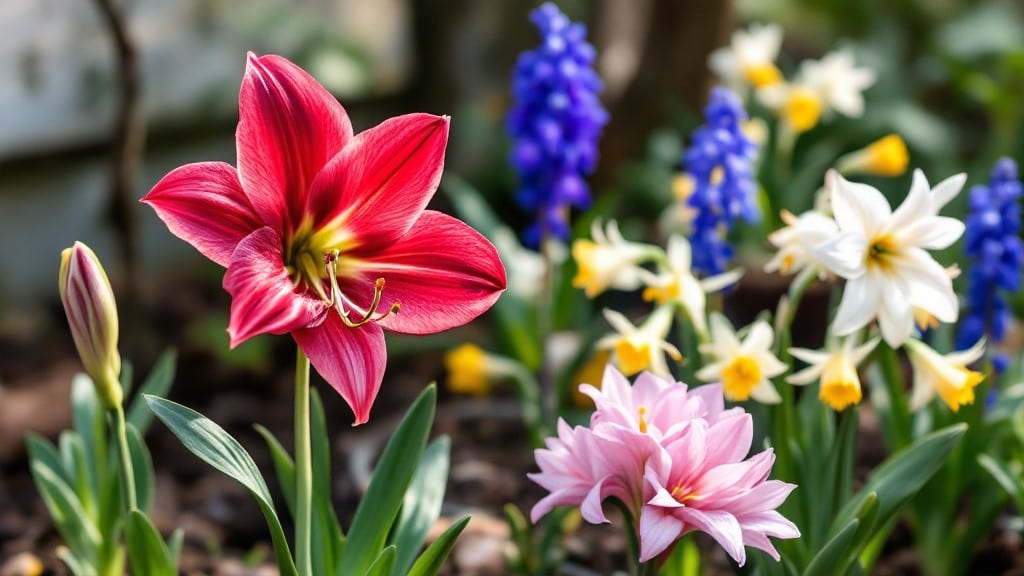
A Christmas bulb garden brings holiday cheer indoors without the fuss of traditional gardening. I’ve turned my living room into a winter wonderland using amaryllis, paperwhites, and even poinsettias—all thriving in pots by the fireplace.
The key isn’t complicated soil or perfect timing, but matching each bulb to its light and temperature needs.
Most people overlook how easy it is to revive bulbs after the holidays. My amaryllis blooms again every year because I let it rest in a cool, dark spot for months before repotting.
Paperwhites, on the other hand, are one-and-done but pack a fragrant punch that lasts weeks. Poinsettias? They’re the showstoppers—just keep them away from drafts, and they’ll last until Valentine’s Day.
By spring, those same bulbs can transition outdoors for a late-season display or even a cottage garden. The secret’s in the timing: plant amaryllis in fall for Christmas blooms, paperwhites in November for December fragrance, and poinsettias in late summer for holiday color.
You’ll end up with a garden that feels magical year-round, not just for the holidays.
Whether you’re working with a sunny windowsill or a dim corner, these bulbs adapt. The real magic? No green thumb required—just a little patience and the right spot. Let’s get those bulbs blooming!
Root Causes Of Bulb Struggles
Even the hardiest holiday bulbs can fail to thrive in your garden—despite their reputation for resilience. Understanding the science behind why they underperform helps you fix the problem before it starts. Here’s why your festive blooms might be fading faster than a snowman in July.
Christmas bulbs like amaryllis, paperwhites, and cyclamen are not winter-hardy in most climates. While they love cool weather, their roots cannot tolerate frozen soil. Here’s the science:
- Cell damage: Ice crystals form in bulb cells, rupturing membranes and starving roots of water. Think of it like a frozen garden hose—water expands, cracks the pipes, and leaves you with a mess.
- Microbe shutdown: Beneficial soil bacteria and fungi (which help break down nutrients) become inactive below 32°F (0°C). Without them, bulbs can’t access stored nutrients.
- Moisture lockout: Frozen soil repels water, leaving bulbs dehydrated even if you water regularly. It’s like trying to drink through a straw stuck in ice.
Actionable fix:
- Plant bulbs in well-draining containers (like terracotta pots) and move them indoors before the first frost.
- Use mulch (straw or shredded leaves) to insulate soil—aim for a 4-inch layer to buffer temperature swings.
- In Zone 5 or colder, dig up tender bulbs (e.g., amaryllis) after blooming and store them in a cool, dry place (50–60°F / 10–15°C) until spring.
Bulbs are like Goldilocks—they need water that’s just right. Too much? Rot sets in. Too little? They shrivel. The issue boils down to oxygen deprivation and osmotic stress.
| Problem | Why It Happens | Fix It |
|---|---|---|
| Overwatering |
|
|
| Underwatering |
|
|
Most holiday bulbs need bright, indirect light to bloom, but too much direct sun or shade can derail their growth. Here’s the breakdown:
- Too little light:
- Bulbs won’t flower because they skip the light-triggered vernalization process (a cold period followed by light exposure needed to bloom).
- Leggy, weak stems develop as they stretch toward light (etiolation), making them flop.
- Too much direct sun:
- Leaves scorch (brown, crispy edges) from UV damage and water loss.
- Soil dries out faster, leading to root burn (cells dehydrate and die).
Actionable fix:
- Place pots near east-facing windows (gentle morning sun) or under 40W fluorescent grow lights for 12–14 hours/day.
- Use sheer curtains to diffuse harsh afternoon sun in hot climates.
- Rotate pots quarter-turns weekly to prevent lopsided growth toward light sources.
Bulbs need well-aerated, fertile soil to access nutrients efficiently. If your mix is compacted or nutrient-poor, they’ll struggle to grow. Here’s the science:
- Compacted soil:
- Reduces oxygen exchange, suffocating roots and slowing nutrient uptake.
- Water pools around roots, increasing rot risk (hypoxia).
- Nutrient deficiencies:
- Bulbs need phosphorus (P) for root growth and potassium (K) for flower production. Poor soil lacks these.
- Yellowing leaves? Likely nitrogen (N) deficiency—bulbs can’t synthesize chlorophyll.
Actionable fix:
- Amend soil with compost or worm castings (add 20% by volume to potting mix).
- Use a balanced bulb fertilizer (e.g., 10-10-10) at half-strength when planting and again when shoots emerge.
- Avoid garden soil—it’s too dense. Stick to lightweight mixes with perlite or vermiculite.
Pro tip: 💡 If your bulbs refuse to bloom, they might need a “rest period”—simulate winter by keeping them in cool (50°F/10°C), dark conditions for 6–8 weeks before encouraging regrowth with light and warmth.
Revive Your Glowing Garden
Transforming a struggling Christmas bulb garden back into a vibrant display is easier than you think! Whether your bulbs are fading, wilting, or just not shining bright, these targeted fixes will bring back the holiday magic.
Below, we’ve mapped common issues to practical solutions—plus prevention tips to keep your garden glowing year after year.
Cause: Poor planting depth, wrong soil, or insufficient sunlight. Solution:
- 🔥 Check Planting Depth – Dig a hole 3x deeper than the bulb’s height (e.g., tulips need 6–8 inches). Over-planting suffocates roots.
- 🍳 Amend the Soil – Mix in compost or bulb fertilizer (high in phosphorus) before replanting. Avoid heavy clay—bulbs need well-draining soil.
- 👨🍳 Optimize Sunlight – Most Christmas bulbs (like amaryllis or paperwhites) thrive in bright, indirect light. Rotate pots weekly if indoors.
💡 Pro Tip: If bulbs are dormant, soak them in lukewarm water for 12 hours before replanting to jumpstart growth.
Cause: Overwatering, root rot, or nutrient deficiency. Solution:
- 🌡️ Adjust Watering – Let soil dry 2–3 inches deep between waterings. Use pots with drainage holes to prevent soggy roots.
- ✨ Trim Damaged Foliage – Snip yellow/brown leaves with sterilized scissors to redirect energy to healthy growth.
- 🎯 Fertilize Gently – Use a balanced 10-10-10 fertilizer (diluted to half strength) every 4–6 weeks during active growth.
⚠️ Warning: If bulbs smell rotten, they may be infected. Remove them immediately and repot in fresh soil.
Cause: Lack of light, aging bulbs, or poor air circulation. Solution:
- 🔪 Prune Crowded Foliage – Thin out leaves to improve airflow and reflect more light onto blooms.
- 🌿 Rotate Pots Regularly – Place bulbs near a south-facing window (or under grow lights) for 6–8 hours daily.
- 🔄 Refresh Old Bulbs – Dig up and divide clumps every 2–3 years. Discard soft or shriveled bulbs—replace with fresh ones.
💡 Pro Tip: A weak vinegar-water spray (1:10 ratio) can boost color by removing dust and mild fungal buildup.
Cause: Aphids, spider mites, or fungal spots (like powdery mildew). Solution:
- 🛡️ Natural Pest Control –
- Aphids/Mites: Spray with neem oil (1 tsp per quart of water) or introduce ladybugs.
- Fungus: Dust leaves with baking soda mix (1 tbsp baking soda + 1 quart water + drop of dish soap).
- 🚫 Quarantine Infected Plants – Isolate affected bulbs until treated to prevent spread.
✨ Prevention: Space bulbs 3–4 inches apart and avoid overhead watering to deter pests.
- 🌿 Post-Bloom: Let foliage die back naturally (or trim to 2 inches) to store energy for next year.
- 🥶 Winter Storage: Dig up tender bulbs (like paperwhites) after blooming, dry them, and store in a cool, dark place (50–60°F) until replanting.
- 🌱 Spring Prep: Fertilize with bulb-specific food in early spring to encourage robust growth.
Remember: A little TLC goes a long way! With these fixes, your Christmas bulb garden will bloom brighter than ever—and with minimal effort. 🌟
Frequently asked questions
Which bulbs are best for a low-light Christmas garden?
Paperwhites and amaryllis thrive in dim corners! Paperwhites need just bright indirect light and their fragrant blooms last weeks. Amaryllis handles low to medium light but may need a grow light (40W fluorescent) for 12 hours/day to encourage blooms. Avoid poinsettias—they crave bright, direct sun.
Can I reuse last year’s Christmas bulbs?
After blooming, let foliage die back naturally (or trim to 2 inches), then store bulbs in a cool (50–60°F), dark place until spring. Paperwhites are one-and-done, but amaryllis and cyclamen often rebloom with proper care. Dig up tender bulbs before frost in cold climates.
How do I make my Christmas bulbs last longer?
Keep them in cool (60–65°F), bright spots away from drafts or heat vents. Trim stems at an angle and change water every 2–3 days to prevent bacterial growth. For poinsettias, avoid direct sunlight—it causes leaf drop. A humidifier nearby also extends vase life.
What’s the best soil mix for potted Christmas bulbs?
Use a well-draining mix of 50% potting soil, 30% perlite, and 20% compost. Avoid garden soil—it compacts and suffocates roots. Add a bulb fertilizer (high in phosphorus) at planting time to encourage strong blooms. Drainage holes in pots are a must!
Can I plant Christmas bulbs outdoors for winter color?
Only in Zone 8+! Most holiday bulbs (like paperwhites or amaryllis) won’t survive frost. For cold climates, plant in large containers and move indoors before 32°F (0°C). Hardy options like Christmas rose (Helleborus) or winter aconite tolerate outdoor winters but bloom later.