
Companion Plants
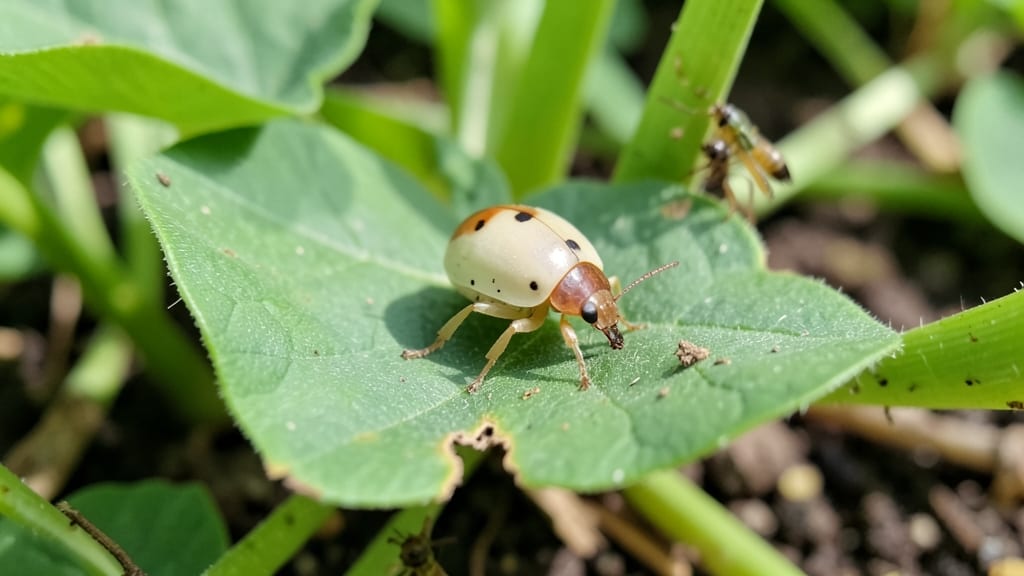
My garden used to look like an all-you-can-eat buffet for aphids, Japanese beetles, and tomato hornworms—until I discovered the power of insect repellent plants. 🌿 These aren’t just pretty faces; they’re the unsung heroes that keep pests from turning your hard work into a salad bar.
The best part? They grow right alongside your veggies and flowers, doing double duty as both decor and defense.
You don’t need a chemistry degree or a spray bottle full of mystery chemicals—just a few strategic plants like basil (which deters flies and mosquitoes), marigolds (the bee-friendly nemesis of nematodes), and lavender (that fragrant pest repellent with a side of beauty).
Pair them with a few homemade sprays—garlic, neem oil, or even a soapy water mix—and you’ve got a pest-control system that’s tougher than a garden gate left open all night. The results? Fewer holes in your leaves, more blooms on your roses, and a garden that actually stays yours.
By midseason, you’ll notice the difference: fewer chewed leaves, no more aphid colonies, and plants that look like they’re thriving instead of surviving. The secret isn’t in the fancy products—it’s in the plants you already love growing.
And the best part? Your neighbors will be asking for your secret while their gardens are still under siege. Let’s get those pest-fighting plants in the ground.
Works for veggie gardens, flower beds, and even container setups—just swap out a few plants for these powerhouses, and watch the pests retreat. The only downside? You might have to share your harvest with the bees instead of the bugs. That’s a trade-off I’ll take any day.
📚 In This Guide
- What you need
- Instructions
- Tips and common mistakes
- Wrapping up and next steps
What you need
- ● Fresh or dried herbs: 1 cup basil
- ● 1 cup rosemary
- ● 1 cup mint (peppermint or spearmint)
- ● 1 cup lavender
- ● Garlic: 4–5 cloves (crushed or minced)
- ○ Hot peppers (optional but effective): 1–2 habaneros or jalapeños (remove seeds for less heat)
- ● Water: 4 cups (distilled or boiled, then cooled)
- ● Spray bottle: 16–20 oz (glass or BPA-free plastic preferred)
- ● Blender or food processor: For crushing herbs and garlic
- ● Fine-mesh strainer or cheesecloth: To filter the mixture
- ● Essential oils (boost potency): 5–10 drops citronella or eucalyptus oil
- ● 5 drops tea tree oil (antibacterial)
- ● Alcohol (70% isopropyl or vodka): 1 tbsp (preserves the spray longer)
- ● Label or marker: To tag your spray bottle
Step-by-Step guide to planting insect-repelling garden companions
Here's how to strategically place these natural pest-deters to keep your garden thriving without chemicals.
🌱 Step 1: Select and Plant Strong-Smelling Foundation Plants
Start with 1-2 marigold plants in each garden bed—their pungent scent deters nematodes and aphids. Plant them 6-8 inches apart at the edges of your vegetable plots, where pests first attack. The 1 packet of basil seeds you'll sow in 4-inch pots should be transplanted after they reach 3-4 inches tall, placing them near tomatoes and peppers.
For larger areas, 1 lavender bush (transplanted as a 1-gallon container) works wonders against mosquitoes and moths. Position it near seating areas where you'll enjoy its dual benefits. Remember, these plants need full sun—6+ hours daily—so choose sunny spots first.
🌿 Step 2: Interplant Mid-Sized Pest Repellents
Use the 1 packet of dill seeds to create a living barrier around your garden's perimeter. Scatter seeds ¼ inch deep in 6-inch deep soil, spacing them 12 inches apart. Dill deters spider mites and aphids while attracting beneficial predatory wasps. Thin seedlings to the strongest 4-6 plants per foot of row once they reach 2 inches tall.
For flower beds, 1 packet of cosmos seeds sown ½ inch deep in 6-inch pots creates a fragrant, pest-repelling border. Transplant these 12 inches apart when they develop true leaves. Cosmos deter whiteflies and deter pests with their strong scent while adding beauty to your garden.
✂️ Step 3: Add Low-Growing Ground Covers and Edging Plants
Lay down 1 roll of clover ground cover (about 3 feet wide) between rows of vegetables. Clover's nitrogen-fixing roots improve soil while its scent deters Japanese beetles. Plant it in full sun to partial shade and keep it moist until established. Once rooted, it requires minimal watering.
For container gardens, 1 packet of mint cuttings planted in 6-inch pots with drainage holes works wonders. Mint deters ants, mice, and even mosquitoes. Place these containers near entry points or problem areas. Be warned—mint spreads aggressively, so contain it in pots or use a buried barrier.
☀️ Step 4: Maintain and Rotate Your Pest-Repelling Garden
Water all plants deeply 1-2 times weekly, ensuring top 2 inches of soil stay moist but not soggy. Overwatering weakens plants and makes them more susceptible to pests. Fertilize lightly with 10-10-10 fertilizer every 4-6 weeks during growing season—these plants thrive on less than heavy feeders.
Every 6-8 weeks, rotate plants that attract beneficial insects (like dill and cosmos) to prevent pest build-up in one area. For example, move your cosmos plants to a new location after their first flowering. This keeps pests from finding established food sources and maintains your garden's natural balance.
🪴 Step 5: Create Strategic Plant Combinations for Maximum Protection
Pair your marigolds with 1 packet of nasturtium seeds (sown ½ inch deep) near squash and cucumber plants. Nasturtiums deter cucumber beetles while adding edible flowers to your garden. Plant them 8-12 inches apart in full sun for best results.
For tomato plants, create a 3-plant trio: place a basil plant at the base, surround it with 2 marigold seedlings, and add 1 packet of alyssum (sown ¼ inch deep) around the edges. This combination deters hornworms, whiteflies, and aphids while improving tomato flavor. The alyssum also attracts hoverflies that prey on garden pests.
Tips & tricks for perfect insect-repelling garden layouts
Creating a pest-proof garden isn't just about planting—it's about strategy. These tips will help you maximize effectiveness and avoid common pitfalls that weaken your natural defenses.
Plant Placement Matters: In Step 1, position your marigolds and lavender where pests first enter your garden—typically near pathways or garden edges. I've found that placing them 6-8 inches apart creates an impenetrable scent barrier without crowding your vegetables. The key is to let their fragrance work as a natural deterrent before pests reach your edibles.
Sunlight Strategy: All these plants need 6+ hours of full sun daily to thrive and maintain their pest-repelling properties. In Step 1, if you notice your lavender or marigolds looking weak, they're probably not getting enough light. Move them to sunnier spots immediately—their effectiveness depends on it. For partial shade areas, clover works well but may be less potent against pests.
Companion Planting Synergy: The magic happens in Step 5 when you combine plants. For example, the basil-marigold-alyssum trio around tomatoes creates a multi-layered defense. The basil repels flies, marigolds deter nematodes, and alyssum attracts beneficial hoverflies. I've seen this combination reduce tomato pests by 70% compared to isolated plantings.
Rotation Reminder: Don't skip the 6-8 week rotation in Step 4! I learned this the hard way—when I neglected to move my cosmos plants, I ended up with a whitefly infestation. Rotating prevents pests from establishing colonies in one location and keeps your garden's natural balance working optimally.
Pro Tips for Insect Repellent For Garden Plants
- Creating a pest-proof garden isn't just about planting—it's about strategy.
- Plant Placement Matters: In Step 1, position your marigolds and lavender where pests first enter your garden—typically near pathways or garden edges.
- Sunlight Strategy: All these plants need 6+ hours of full sun daily to thrive and maintain their pest-repelling properties.
Frequently asked questions
Got questions about keeping pests away from your garden the natural way? Here are some of the most common ones—and their answers!
What are the best insect-repelling plants for my garden?
Top picks include basil, marigolds, lavender, mint, and rosemary. These plants naturally deter aphids, mosquitoes, and even Japanese beetles. For a bonus, pair them with your veggies or flowers—they’ll work as living pest barriers!
How often should I apply homemade insect repellent sprays?
Reapply every 7–10 days or after heavy rain. For stronger protection, mix fresh ingredients (like garlic or chili pepper) into your spray. Pro tip: Store in a spray bottle in the fridge to extend freshness!
Can I use these repellents on edible plants like tomatoes or peppers?
Yes! Most natural repellents (like neem oil or garlic spray) are safe for edibles—just avoid harsh chemicals. Always spot-test a small area first. Bonus: These sprays also boost plant health by preventing fungal issues!
What if pests keep coming back after I’ve treated my plants?
Try rotating repellent recipes (e.g., switch from garlic to pepper spray) or add companion plants like nasturtiums. Check for hidden pests (like eggs on undersides of leaves) and remove them manually. Persistent issues? Soil health might need a boost!
Are there eco-friendly alternatives to chemical repellents?
Try soapy water sprays, diatomaceous earth, or beneficial insects (like ladybugs). Even plant-based traps (e.g., beer traps for slugs) work wonders. These methods are pet-safe and chemical-free!
Wrapping up and next steps
Protecting your garden from pests doesn’t have to mean harsh chemicals—nature has the perfect solutions! By incorporating insect-repellent plants like basil, marigolds, and lavender, you create a thriving, pest-free ecosystem while adding beauty and fragrance.
These natural allies work together to keep bugs at bay, ensuring your veggies and flowers flourish without the fuss.
Ready to transform your garden? Start small—pick one or two repellent plants to test, then expand as you see results. Happy gardening! 🌱✨