
Advice
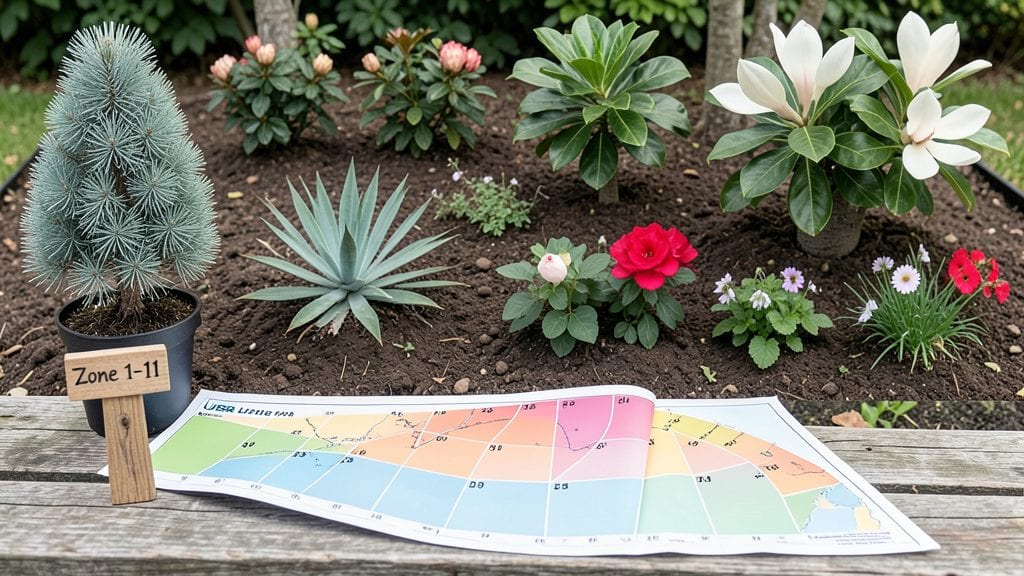
Climate zones gardening means aligning your plant choices with your region's temperature ranges, frost cycles, and moisture patterns to maximize thriving growth. The USDA hardiness zone map is your starting point, but local microclimates often require additional adjustments for success.
Gardening success starts with understanding how your local climate shapes plant survival. The USDA's 13 hardiness zones (now expanded to 14) divide North America by average minimum winter temperatures, but real-world growing conditions go far beyond this baseline.
For example, a Zone 7 garden in Arizona faces very different challenges than one in Virginia—sun exposure, soil types, and water availability all play critical roles.
I always recommend cross-referencing your zone with regional planting guides, as some areas experience microclimates that can be 5°F warmer or cooler than the official zone designation. 🌱
Beyond zones, seasonal timing matters just as much. Early spring frost dates or summer heat waves can make or break a garden, so I suggest tracking your local last frost date and planning accordingly.
Native plants and drought-resistant varieties often thrive with minimal intervention, while tropical species may need winter protection in cooler zones. The key is balancing your zone's limitations with your garden's specific conditions—whether that means choosing shade-tolerant plants for hot climates or selecting cold-hardy varieties for northern regions.
💡 In This Article
- Understanding USDA Plant Hardiness Zones
- Selecting Plants for Your Climate Zone
Understanding USDA plant hardiness zones
The USDA Plant Hardiness Zone Map divides North America into 13 primary zones (now expanded to 14 with Zone 14) based on average annual minimum winter temperatures. Each zone represents a 10°F difference—for example, Zone 5 ranges from -20°F to -10°F while Zone 9 spans 20°F to 30°F.
These temperature thresholds determine which plants can survive winter dormancy, as most perennials enter dormancy when temperatures drop below 40°F and begin regrowth when soil warms to 50°F. The science behind this involves plant hardiness studies conducted over decades, tracking which species thrive in specific temperature ranges.
Here's what actually happens at the cellular level: Cold-sensitive plants like citrus or bananas can't survive below 28°F because their cell membranes contain unsaturated fats that remain fluid at warm temperatures but become rigid and rupture when frozen.
Hardier plants, such as oak trees or rhododendrons, produce antifreeze proteins and sugars that lower their internal freezing point, protecting their cells.
The USDA zones were originally developed in the 1960s but were last updated in 2012 to reflect global warming trends—many areas have shifted one or two zones warmer since then. 🌡️
Locating your zone is easier than ever thanks to interactive tools like the USDA's Zone Finder or apps that use your postal code. Simply enter your address, and you'll get your primary zone plus a 10-15°F microclimate adjustment based on elevation, urban heat islands, or coastal influences.
For instance, a garden in Zone 7a near a large body of water might experience milder winters than inland areas, while urban zones can be 3-5°F warmer due to concrete and asphalt absorbing heat.
This is why I always recommend verifying your zone with local agricultural extensions or gardening clubs—they often have hyper-local data.
Regional variations add another layer of complexity. The Pacific Northwest's Zone 7 has mild winters but high rainfall, while a Zone 7 in the Midwest faces drier conditions and more extreme temperature swings.
Even within a single zone, elevation changes can create dramatic shifts—every 1,000 feet gain in altitude typically drops temperatures by 3.5°F. This is why mountain gardens often mirror zones found hundreds of miles south at lower elevations.
Understanding these nuances helps explain why a plant labeled "Zone 5-9" might struggle in the upper range of Zone 9 if summer heat exceeds its tolerance.
What most people don't realize is how seasonal patterns interact with these zones. The first frost date (when temperatures drop below 32°F) and last frost date are critical for annual plants, while perennials rely on the cumulative effect of winter chilling hours.
For example, fruit trees like apples require 500-1,000 hours below 45°F annually to set buds properly—a factor not reflected in the basic zone map.
This is why some plants thrive in Zone 6 but fail in Zone 7 despite similar winter lows: the timing and duration of cold matter just as much as the temperature itself. 🌿
For practical application, think of the USDA zones as a starting point rather than a strict rulebook.
I've seen Zone 5 gardens in Minnesota grow tomatoes successfully by using black plastic mulch to warm the soil, while Zone 9 gardens in Arizona struggle with the same variety due to summer heat exceeding 100°F.
The key is layering your zone knowledge with observations of your specific microclimate—sun exposure, wind patterns, and soil drainage—to fine-tune your plant selections. This approach turns the abstract zone map into actionable gardening intelligence.