
Succulent
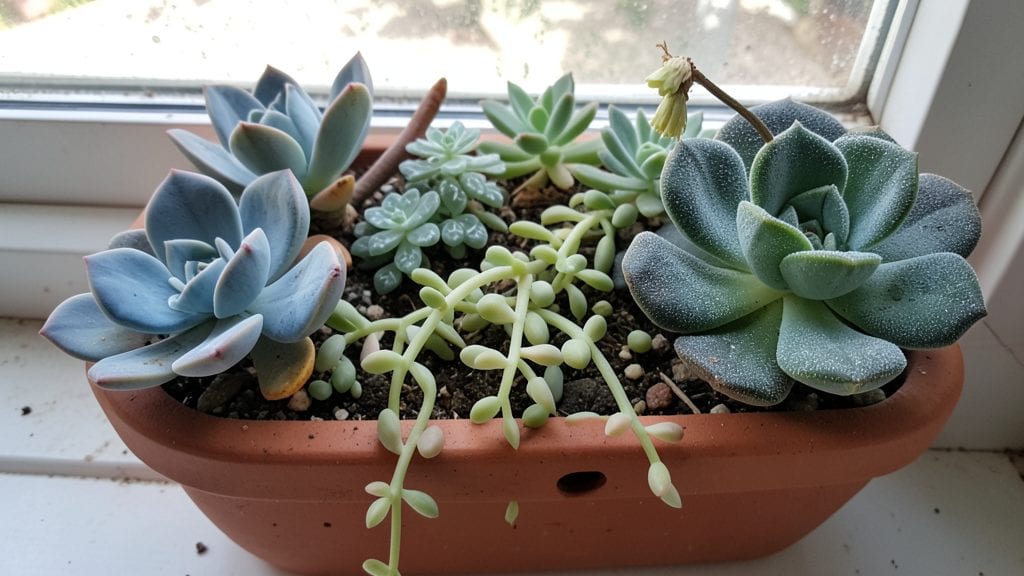
Creating vertical indoor succulent gardens turns tiny apartments into sunlit deserts. ✨ The key is stacking containers at different heights—shelves, wall pockets, and hanging planters—to maximize space without sacrificing that lush, sun-drenched look.
My first vertical garden started with a single shelf and a handful of echeverias, but now it’s a thriving wall of textures and colors that never needs replanting.
You don’t need fancy setups—just containers with drainage, a mix of cactus soil, and a sunny spot. I use everything from thrifted wooden crates to repurposed baking trays, and the results are always more dramatic than I expect.
The real magic happens when you layer succulents by size: tall ones on the bottom, trailing varieties in hanging pockets, and tiny rosettes on top shelves.
By summer, your vertical garden will be a riot of green, purple, and pink—each plant happy in its own spot. The best part? Succulents thrive on neglect, so once you’ve arranged them, you can enjoy the view without daily fuss.
Lighting is the only non-negotiable: six hours of bright, indirect light keeps them plump and happy year-round.
This style works in any room—kitchens, bathrooms, even offices—where space is tight but style isn’t. The secret to making it look intentional? Start with a color scheme (I love monochromatic or earthy tones) and let the plants fill in the gaps naturally. Ready to turn your walls into a garden?
📚 In This Guide
- What you need
- Instructions
- Tips and common mistakes
- Wrapping up and next steps
What you need
- ● Succulents: 5–10 small to medium-sized varieties (e.g., Echeveria, Haworthia, or Sedum). Choose plants with similar water needs.
- ● Vertical Planter: 1–2 containers (e.g., hanging pockets, wall planters, or tiered shelves) with drainage holes.
- ● Potting Mix: 2–3 gallons of cactus/succulent mix (add perlite or pumice for extra drainage).
- ● Drainage Layer: Pebbles, lava rocks, or broken pottery (1–2 inches per layer).
- ● Watering Can or Spray Bottle: A small, narrow spout to avoid oversaturating soil.
- ● Pruning Shears or Scissors: For trimming overgrown stems (sterilize with rubbing alcohol!).
- ○ Fertilizer (Optional): Balanced liquid fertilizer (5-5-5 or 10-10-10) diluted to half-strength.
- ● Decorative Elements: Moss, pebbles, or small figurines for a polished look.
- ● Grow Lights: LED full-spectrum bulbs (6–12 inches above plants) for low-light spaces.
- ● Humidity Tray: A shallow tray with water and pebbles to boost moisture (succulents hate humidity!).
- ● Plant Labels: Chalkboard tags or toothpicks to track varieties.
- ● Glove & Apron: For messy repotting (trust us, it happens!).
Step-by-Step instructions for creating a vertical succulent garden
Here’s how to build a striking vertical succulent display that thrives indoors with minimal fuss.
🪴 Step 1: Assemble Your Vertical Planter
Start by attaching the 4 wooden planks (12" x 12") to the 4 wooden stakes (18" tall) using the 16 screws. Space the planks evenly, about 3 inches apart, to create tiers for drainage and airflow. I like to pre-drill holes in the planks to prevent splitting—just a small 1/8-inch hole near each corner where the screws will go.
Stand the assembled frame in a shallow tray or saucer to catch any water runoff. This keeps your space clean and prevents root rot from excess moisture. If you’re using the geotextile fabric, cut it to size and line the back of the frame before adding soil. The fabric helps contain roots while still allowing water to drain freely.
🌱 Step 2: Prepare Soil and Plant Succulents
Fill each tier with the 4 gallons of cactus/succulent mix, pressing it lightly to settle but not compact. Succulents hate soggy roots, so this mix is key—it drains fast and stays aerated. I like to add a handful of perlite to the top inch of each tier to boost drainage even more.
Arrange your 12 succulent plants in the tiers, spacing them 2-3 inches apart. Start with the largest plants at the bottom and work your way up to smaller ones. Press them gently into the soil—just enough to hold them steady, but don’t bury the base. Succulents store water in their leaves, so planting too deep can cause rot.
💧 Step 3: Water and Position for Light
Water the soil thoroughly until it drains out the bottom, then let it dry completely before watering again. I use a spray bottle for the top tiers to avoid disturbing the plants. Place your vertical garden in a spot with bright, indirect light—think near an east-facing window or under a grow light if natural light is limited.
Succulents need 4-6 hours of light daily, but direct midday sun can scorch them. Watch for leaves turning pale or translucent—that’s a sign of too much light. If your space is dim, rotate the garden weekly so all sides get equal exposure.
✂️ Step 4: Maintain and Prune for Long-Term Growth
Water only when the soil feels completely dry to the touch, usually every 2-3 weeks in cooler months and once a week in summer. Overwatering is the #1 killer of succulents, so I err on the side of too little. Fertilize lightly with the balanced liquid fertilizer once a month during spring and summer—just a diluted dose.
Remove any yellowing or dead leaves promptly with clean scissors. If a plant outgrows its spot, propagate it by snapping off a healthy leaf and letting it callus over for a day before placing it on fresh soil. This keeps your garden looking fresh and encourages new growth.
Tips & tricks for perfect indoor vertical succulent gardens
These practical tips will help you create a thriving vertical succulent display that stays healthy and beautiful for years.
Drainage is Everything: In Step 1, make sure your shallow tray or saucer is deep enough to catch all runoff from the bottom tier. I've seen root rot develop when water pools against the back of the frame—trust me, it's a nightmare to fix. If your tray isn't deep enough, add a layer of pebbles at the bottom to create extra drainage space.
The Technique That Changed Everything: When arranging your 12 succulent plants in Step 2, create a natural gradient by placing the largest varieties at the bottom and smallest at the top. This not only looks aesthetically pleasing but also prevents smaller plants from getting lost in the shadows of taller ones. For the 2-3 inch spacing, use a ruler to ensure consistency—uneven spacing can lead to overcrowding and competition for light.
Light Management: The 4-6 hours of daily light mentioned in Step 3 is your golden window. If you notice leaves turning pale or translucent, move your garden to a spot with less direct sun. For dimmer spaces, consider supplementing with a simple LED grow light for 6-8 hours daily—it's a game-changer for maintaining vibrant colors year-round. I keep mine about 12 inches away from the plants.
Make-Ahead Strategy: You can actually assemble your vertical planter and prepare the soil up to a week in advance. Just store it in a dry place away from direct sunlight until you're ready to plant. This gives you flexibility to shop for plants when they're at their freshest. The key is to keep the soil completely dry until planting day—this prevents mold and keeps everything ready to go.
Pro Tips for Indoor Succulent Gardens
- These practical tips will help you create a thriving vertical succulent display that stays healthy and beautiful for years.
- Drainage is Everything: In Step 1, make sure your shallow tray or saucer is deep enough to catch all runoff from the bottom tier.
- The Technique That Changed Everything: When arranging your 12 succulent plants in Step 2, create a natural gradient by placing the largest varieties at the bottom and smallest at the top.
Frequently asked questions
Got questions about creating your own indoor succulent garden? You're not alone! Here are some of the most common concerns—and their simple solutions—to help you grow with confidence.
How often should I water my indoor succulent garden?
Succulents thrive on underwatering, not overwatering! Water only when the top 1–2 inches of soil feel completely dry—typically every 2–4 weeks, depending on humidity and light. Use the finger test and avoid soggy soil to prevent root rot. Pro tip: Group plants together to create a microclimate that reduces evaporation!
Can I use regular potting soil for succulents?
Nope! Regular potting soil retains too much moisture. Instead, mix a succulent-specific blend (60% potting soil + 40% perlite/pumice) or use a cactus mix. This ensures fast-draining soil that mimics their natural desert habitat. Bonus: Add a handful of coarse sand or chicken grit for extra aeration!
How do I revive a droopy or mushy succulent?
Droopiness usually means overwatering. First, stop watering immediately and check for rot—trim any mushy leaves or stems with sterilized scissors. Let the plant dry out for a few days, then repot in fresh, dry soil. Place it in bright, indirect light and resume watering only when soil is bone-dry. Patience is key!
What’s the best light setup for indoor succulents?
Succulents crave bright, indirect light (6+ hours daily). South- or west-facing windows are ideal, but if natural light is limited, supplement with a grow light (LED or fluorescent) 12–14 hours/day. Watch for etiolation (stretched, weak growth)—a sign they need more light! Alternative: Rotate plants weekly for even exposure.
Can I grow succulents without a vertical planter?
If vertical gardens aren’t your style, try these space-saving alternatives:
- Hanging macramé planters (for trailing varieties like String of Pearls)
- Tiered cake stands (stacked pots for layered displays)
- Window shelves (utilize vertical space with small pots)
- Wall-mounted pockets (fabric or felt pockets for minimalist looks)
Wrapping up and next steps
Creating an indoor succulent garden with vertical layers is a rewarding way to bring nature indoors while maximizing small spaces. These lush, low-maintenance plants offer year-round beauty, purify the air, and add a touch of serenity to any room.
Whether you’re a beginner or a seasoned plant parent, start small, experiment with arrangements, and enjoy the process!
🌱 Your Next Step:
Ready to dive in? Gather your supplies, pick your favorite succulents, and design your dream vertical garden today. Share your progress or ask questions—we’d love to see (and help!) your green-thumb journey! 🌿