Plants
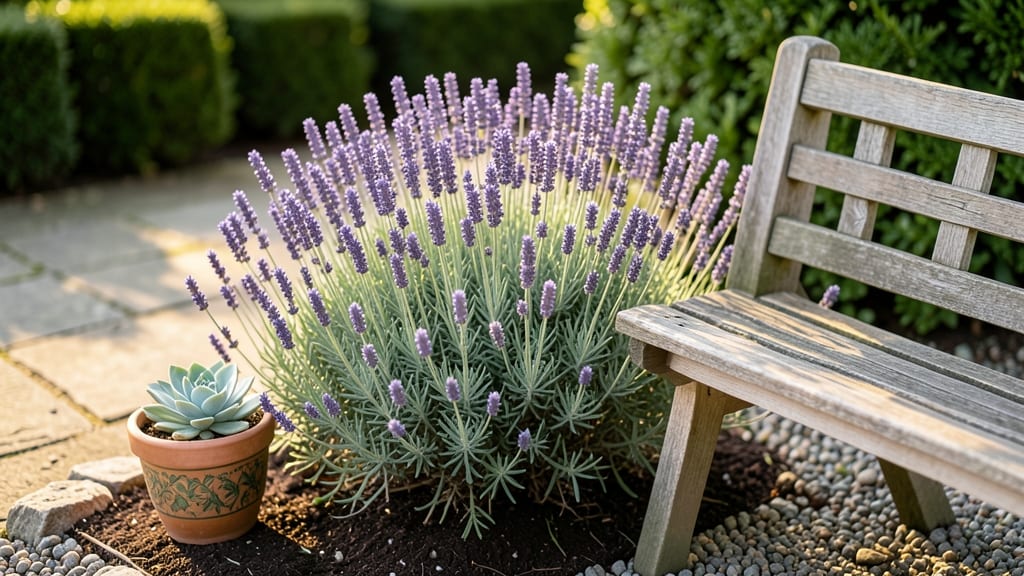
Backyard garden lovers can transform their outdoor space by matching plants to their local climate, cycling through seasonal varieties, and choosing hardy perennials that stay vibrant all year. Begin with testing your soil, selecting native plants, and using mulch to keep roots cool and hydrated.
Your garden's success starts with understanding your region's growing conditions. USDA hardiness zones act as a baseline, but microclimates—like the extra heat near your patio or the shade from a large tree—can shift what thrives in your yard. 🌱 For example, coastal areas often have milder winters, while inland spots may experience sudden frost.
I always recommend starting with a soil test to identify pH levels and nutrient needs, as this directly impacts plant health and growth rates.
Once you've mapped your space, focus on seasonal rotation to keep your garden productive year-round. Cool-season crops like spinach and peas thrive in early spring and fall, while tomatoes and peppers prefer the warmth of summer.
Swapping out plants this way prevents soil depletion and reduces pest buildup. For small spaces, container gardening with fast-maturing varieties can give you multiple harvests in a single season.
💡 In This Article
- Climate-Specific Planting Zones Explained
- Year-Round Succession Planting Guide
Climate-specific planting zones explained
The USDA Plant Hardiness Zone Map divides North America into 13 zones based on average annual minimum temperatures, with zone 1 being the coldest (-60°F) and zone 13 the warmest (70°F). But here's what most gardeners overlook: these zones only tell part of the story.
Your actual growing conditions depend on microclimates—small areas with unique temperature, sunlight, and wind patterns. For example, a south-facing wall can create a zone 2-3 warmer than your official USDA zone, while a shaded north side might be cooler.
Let's break down how this plays out in different climates. In temperate zones (4-7), like much of the Midwest, frost dates typically range from mid-April to late October.
Here, you'll want to plant cold-hardy crops like kale and broccoli 4-6 weeks before the last frost, while heat-loving tomatoes need to wait until soil reaches 60°F.
In arid climates (8-10), like the Southwest, summer temperatures can exceed 100°F, so you'll focus on drought-tolerant plants like rosemary and succulents, and time planting for cooler seasons. Humid climates (7a-9b) face different challenges: fungal diseases thrive in the moisture, so proper spacing and air circulation become critical.
Wind patterns dramatically affect planting too. Coastal areas often experience windburn on exposed plants, while inland gardens might struggle with heatwaves that push zones temporarily higher. I've seen urban gardens in zone 6b successfully grow citrus trees by planting them against south-facing brick walls, creating a 3-4°F warmer microclimate.
The key is observing your space for 2-3 years to identify these patterns before making planting decisions.
Regional pests add another layer of complexity. In zone 5, Japanese beetles can devastate roses, while zone 9 gardens battle citrus leaf miners. Native plants often develop natural resistance to local pests—something non-native species lack.
For instance, purple coneflower thrives in zone 3-8 and rarely faces serious pest issues, while petunias (zone 2-11) often attract aphids. This is why native species selection can reduce your pest management workload by up to 70%.
Adjusting planting schedules requires tracking three critical data points: your average first/last frost dates, heatwave patterns, and rainfall distribution. Most gardeners can find frost dates through local agricultural extensions, but heatwave data often requires checking NOAA climate records.
For example, in zone 7, you might plant heat-sensitive lettuce in early spring or late summer when daytime highs stay below 85°F, while zone 10 gardeners can grow lettuce year-round with shade cloth during peak summer.
Here's a practical tip: use mulch depth of 2-4 inches to moderate soil temperatures. In hot climates, straw mulch can keep roots 10-15°F cooler than bare soil, while in cold zones, dark mulch like wood chips absorbs heat during the day to protect roots at night.
The right mulch choice can extend your growing season by 2-4 weeks at either end.
What most people don't realize is how urban heat islands affect planting. Cities can be 5-10°F warmer than surrounding areas, pushing effective planting zones higher. For example, a zone 6 city might effectively function as zone 7 in summer.
Always adjust your expectations upward by 1-2 zones when gardening in urban environments. 🌡️