
Pests
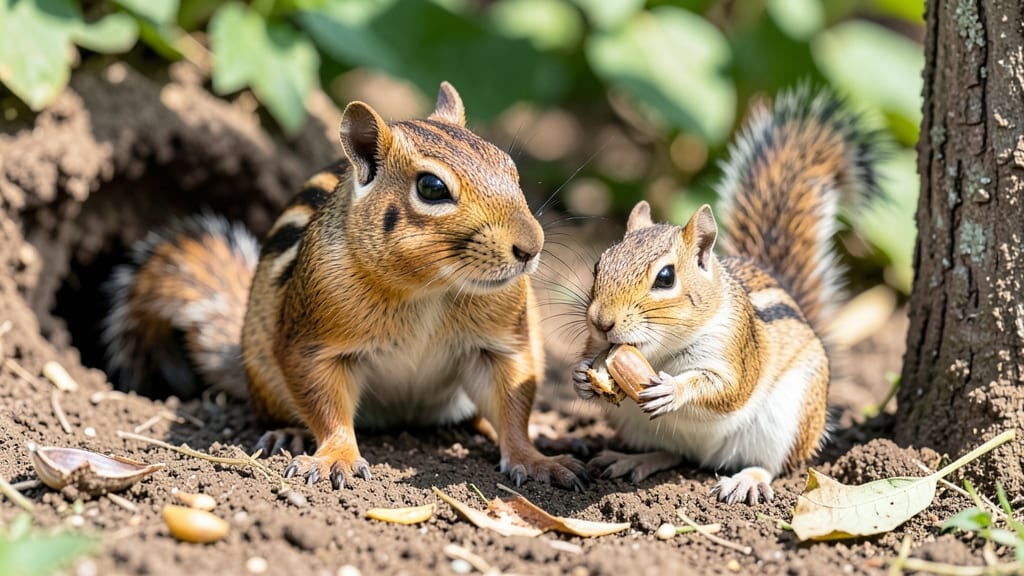
"How to repel chipmunks from garden—my garden’s stolen treasures finally stopped disappearing after I learned these natural deterrents that actually work without traps. The key isn’t just scaring them off temporarily but making your garden less appealing than the woods next door.
I tested everything from physical barriers to scent tricks, and these methods kept my tomatoes, peas, and strawberries safe all summer long.
You don’t need fancy supplies—just a few simple tools like hardware cloth, smooth rocks, or even coffee grounds. The trick is combining physical obstacles with smells chipmunks hate (like garlic or peppermint).
I started with a 3-foot-tall barrier around my raised beds, then added scent deterrents near problem spots. Within a week, the chipmunks moved on to easier snacks elsewhere.
What you’ll end up with is a garden where plants grow undisturbed, free from tiny, relentless diggers. The best part? These methods protect your soil and wildlife too—no poison, no harm to beneficial insects.
My neighbors even noticed the difference after their chipmunk problems disappeared too. Ready to reclaim your harvest?
Works for any garden size, from small containers to full plots, and adapts to different chipmunk hotspots. The secret is persistence—chipmunks are clever, but they’re not invincible. Let’s get started with what actually pushes them away for good.
📚 In This Guide
- What you need
- Instructions
- Tips and common mistakes
- Wrapping up and next steps
What you need
- ● Natural repellents: 1–2 cups hot pepper flakes or cayenne pepper (for spicy barriers)
- ● 1–2 garlic bulbs (crushed or chopped)
- ● 10–15 citrus peels (orange, lemon, or grapefruit)
- ● 1 bottle (8 oz) vinegar (white or apple cider)
- ● Physical barriers: 50–100 ft hardware cloth (1/4-inch mesh, buried 12+ inches deep)
- ● 1–2 rolls plastic fencing (or chicken wire, 18+ inches tall)
- ● Stakes or landscape spikes (for securing barriers)
- ● DIY sprays: 1 gallon water
- ● 1 tbsp dish soap (non-toxic, like castile)
- ● 10–15 cloves of garlic (minced)
- ● Motion-activated sprinklers (battery/solar-powered)
- ● Commercial chipmunk repellent sprays (check for natural ingredients)
- ● Mulch alternatives (gravel or sharp-edged stones to discourage digging)
- ● Pet-safe ultrasonic repellents (if you have furry friends nearby)
Step-by-Step instructions for creating natural chipmunk barriers
Here’s how to build effective, humane deterrents that keep chipmunks out without harming them.
Identify and Block Entry Points
Start by examining your garden for gaps, burrows, or low fences that chipmunks use to enter. These small rodents can squeeze through spaces as narrow as 2 inches, so focus on sealing cracks in foundations, gaps under decks, and holes in fences. Use hardware cloth (not chicken wire—it’s too easy for them to chew through) to cover vulnerable areas. Bury the mesh at least 12 inches deep to prevent digging underneath.
Pay special attention to mulch beds, where chipmunks often tunnel. If you’ve noticed fresh digging near your plants, spread a 3-inch layer of coarse gravel in those areas. The sharp, uneven surface discourages burrowing, and the lack of organic matter makes it inhospitable. This is especially effective around tomato plants, strawberries, and lettuce, which chipmunks love to raid.
Install Physical Barriers Around Plants
For raised beds or individual plants, wrap the base with metal flashing or plastic tree guards to create a 2-foot-high barrier. Chipmunks are agile climbers, so extend the barrier outward slightly to prevent them from jumping over. Secure it tightly—even a ½-inch gap can let them slip through. If you’re protecting a small garden, a wire mesh cage (with ¼-inch holes) over vulnerable plants like squash, beans, or peas works well.
For larger garden areas, consider low fencing (18–24 inches tall) made of hardware cloth. Bury the bottom edge 6 inches deep to stop digging. This method is most effective when combined with other deterrents, as chipmunks may still try to burrow under or around it. If you’re using existing fencing, add netting or mesh to the top few inches to block their climbing attempts.
Use Natural Repellents Strategically
Chipmunks dislike strong scents, so apply hot pepper spray (made from capsaicin) around plant bases, fence lines, and entry points. Reapply every 5–7 days or after rain, as the scent washes away. For a longer-lasting solution, sprinkle crushed red pepper flakes or garlic powder near problem areas. These irritate their sensitive noses and deter digging. Avoid overapplying—just enough to create a 3-foot perimeter around vulnerable spots.
Plant deterrent herbs like mint, lavender, or rosemary near high-traffic chipmunk zones. Their strong fragrance confuses the rodents and masks the scent of your vegetables. Place these herbs in containers or along borders where chipmunks are most active. If you’re growing edible plants, keep these repellent herbs in separate pots to avoid cross-contamination with pesticides.
Remove Food Sources and Habitat Incentives
Chipmunks are attracted to easy meals and shelter, so eliminate both. Harvest fallen fruits, vegetables, and seeds promptly, and store compost bins at least 100 feet away from your garden. If you have woodpiles or dense mulch, reduce their size or relocate them far from planting areas. Chipmunks nest in tall grass, leaf litter, and brush piles, so keep these areas trimmed and tidy. Even a small pile of debris can provide hiding spots.
If you’ve noticed chipmunks digging near tree roots or shrubs, prune back overgrown branches and remove low-hanging limbs that could serve as bridges. They use these to access gardens more easily. For persistent diggers, water the soil thoroughly in problem areas—chipmunks dislike wet ground and will avoid it. This works best in spring or fall, when digging is most active.
Monitor and Adjust Your Approach
Check your barriers weekly for gaps, damage, or signs of new digging. Chipmunks are persistent, so if you spot fresh holes or chewed mesh, repair them immediately. Keep a journal of their activity—note where they’re most active and which deterrents seem to work best. If you notice they’re avoiding pepper spray but still digging near gravel, try adding ultrasonic repellents (battery-operated devices that emit high-frequency sounds). These are safe for pets and plants but irritate rodents.
Rotate repellents every 2–3 weeks to prevent chipmunks from becoming accustomed to them. For example, if you start with hot pepper spray, switch to castor oil-based repellent after a month. Combine physical barriers, scent deterrents, and habitat changes for the best results. Consistency is key—chipmunks won’t give up easily, but a multi-layered approach will eventually push them to seek food elsewhere.
Tips & tricks for effective chipmunk deterrents
Chipmunk deterrents require strategic planning—these insights will help you create a comprehensive defense system that actually works.
Precision Matters in Step 1: When burying hardware cloth to block entry points, extend it at least 12 inches deep to prevent digging underneath. Chipmunks are master excavators, so shallow burial won't stop determined diggers. For maximum effectiveness, create a 12-inch-wide trench around vulnerable areas before installing the mesh. This simple adjustment eliminates their most common evasion tactic.
Barrier Design in Step 2: The 2-foot-high barrier recommendation works because chipmunks are surprisingly agile climbers. To prevent them from jumping over, extend the barrier outward at least 6 inches beyond the plant base. For raised beds, wrap the metal flashing or tree guards tightly—even a ½-inch gap can become an entry point. I've seen chipmunks exploit these small openings more than any other weakness in barrier systems.
Repellent Rotation Strategy: The instructions mention rotating repellents every 2-3 weeks, but here's the key detail: chipmunks develop scent tolerance quickly. Start with hot pepper spray around high-traffic areas, then switch to crushed red pepper flakes or garlic powder after two weeks. For persistent problems, alternate between these and castor oil-based repellents. This rotating approach maintains effectiveness while confusing their sensory adaptation mechanisms.
Habitat Elimination Insight: In Step 4, the instructions emphasize removing woodpiles and dense mulch, but here's what I've learned: chipmunks will use even small debris piles as nesting sites. Clear ALL organic debris within a 10-foot radius of your garden perimeter. I once had chipmunks completely ignore my barriers because they had a perfect nesting site just 8 feet away—completely undermining all my other efforts.
Pro Tips for Repel Chipmunks From Garden
- Chipmunk deterrents require strategic planning—these insights will help you create a comprehensive defense system that actually works.
- Precision Matters in Step 1: When burying hardware cloth to block entry points, extend it at least 12 inches deep to prevent digging underneath.
- Barrier Design in Step 2: The 2-foot-high barrier recommendation works because chipmunks are surprisingly agile climbers.
Frequently asked questions
Got questions about keeping chipmunks out of your garden? You’re not alone!
Here are some of the most common concerns—and straightforward answers—to help you tackle this furry nuisance with confidence.
Will these methods harm my plants or soil?
Not at all! Natural repellents like peppermint oil, cayenne pepper, or garlic spray are safe for plants and soil when used correctly. Always dilute essential oils and avoid overapplying—stick to the recommended ratios to keep your garden thriving while keeping chipmunks away.
How long does it take to see results?
Patience is key! Some repellents (like physical barriers or sprays) may show immediate results, while others (like removing food sources) can take 1–2 weeks to fully deter chipmunks. Consistency is everything—reapply sprays every few days and reinforce barriers to keep them guessing.
Can I use pet-safe repellents if I have dogs or cats?
Opt for pet-safe options like:
- Citrus or vinegar sprays (diluted)
- Commercial pet-friendly repellents (check labels!)
- Physical barriers (like hardware cloth)
What if chipmunks keep coming back after I’ve tried everything?
If chipmunks persist, they might have found a new food source or shelter nearby. Reassess your garden:
- Seal entry points (check for gaps in fences or sheds)
- Remove fallen fruit, birdseed, or compost piles
- Try a motion-activated sprinkler for extra deterrence
Do I need to reapply repellents after rain?
Yes! Rain washes away sprays and natural deterrents like peppermint oil. Reapply every 3–5 days or after heavy rain to maintain effectiveness. For long-term solutions, combine sprays with physical barriers (like chicken wire) to reduce maintenance.
Wrapping up and next steps
Keeping chipmunks out of your garden doesn’t have to be a battle—just a strategic one! 🌱 By combining natural repellents, physical barriers, and scent-based deterrents, you can create a chipmunk-free zone without harming these energetic little critters.
Start with the methods that fit your garden’s needs, and don’t forget to consistency is key!
Ready to reclaim your garden? Pick one or two techniques from this guide and give them a try this season. If chipmunks persist, tweak your approach—you’ve got this! 💪 For extra peace of mind, explore local wildlife-friendly alternatives or connect with gardening communities for real-time tips.