
Pests
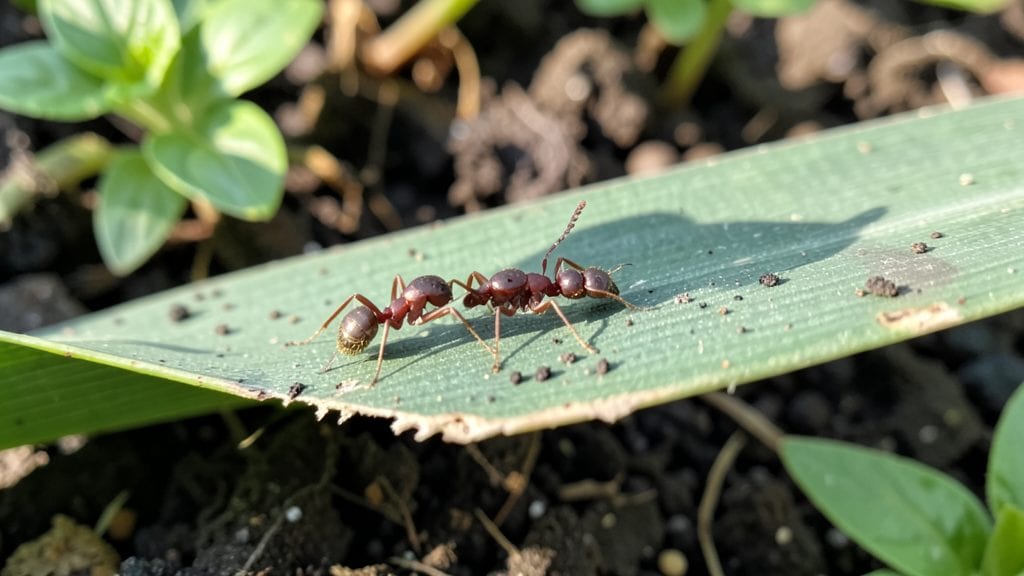
Getting rid of ants in raised garden beds can feel like a losing battle—until you try the right barrier method. I’ve tested everything from sprinkles to sprays, and this one stops them in their tracks without harming your plants or soil.
The secret lies in a simple, natural line of defense that ants can’t cross twice.
Most ant baits fail because they just move the problem underground or attract more workers. This approach works differently: it creates a physical and chemical break that ants avoid entirely.
You’ll need just three household items—no fancy tools, no toxic chemicals—and the fix takes less than 15 minutes to set up. By morning, you’ll see the difference.
The results are immediate: no more trails marching up your tomato stems or raiding your seedlings. Your plants stay healthy, the soil remains undisturbed, and you skip the frustration of watching ants rebuild their highways every time you spray.
Best part? This method keeps working season after season with minimal maintenance.
Perfect for organic gardeners, busy parents, or anyone tired of ant wars. Here’s exactly how to draw the line—and keep them on the other side for good.
Root Causes of Ant Infestations
Ants in your raised garden bed aren’t just a random nuisance—they’re drawn by specific triggers rooted in biology, environment, and human activity. Understanding these causes is the first step to outsmarting them. Let’s break down why these tiny invaders show up uninvited.
Ants are like nature’s cleanup crew, and your garden bed is an all-you-can-eat buffet.
They’re especially attracted to: - Sugary substances: Overripe fruits, spilled honey, or even nectar from flowers. - Protein-rich food: Decaying plant matter, insect carcasses, or pet food left nearby. - Starchy debris: Crumbs from snacks, fallen seeds, or compost that’s too rich in sugars.
Science behind it: Ants release pheromones to recruit colony mates when they find food. A single ant’s discovery can turn into a 100-strong parade in minutes.
Ants need water to survive, and your raised bed offers the perfect hydration station:
- Condensation: Wooden beds trap moisture, creating damp microclimates ideal for ant trails.
- Irrigation leaks: Drippers or overwatering can create puddles that ants use as highways.
- Organic mulch: Thick layers of straw or leaves provide both shelter and moisture retention.
Science behind it: Ants follow moisture gradients—if your bed stays damp longer than surrounding soil, it becomes a magnet. Some species, like carpenter ants, even nest in wood when it’s soft from moisture.
Your raised bed’s design might be inviting ants to move in permanently:
- Untreated wood: Softwood (like pine) is a buffet for carpenter ants, which chew through cellulose.
- Gaps in construction: Loose screws, cracks, or missing hardware let ants crawl into the bed’s frame.
- Nearby ant trails: If another infestation exists in your yard (e.g., under patios or logs), your bed becomes a secondary target.
Science behind it: Ants are engineers—they exploit structural weaknesses. A 1/8-inch gap is all they need to invade. Some species, like fire ants, build nests in soil layers within beds, making them harder to detect.
Not all plants are ant-neutral.
Some release scents or sugars that lure them in: - High-sugar crops: Tomatoes, peppers, and melons exude nectar that ants love. - Root exudates: Plants like beans or clover release sugars from their roots, creating underground ant highways. - Decaying vegetation: Old plant debris or diseased leaves become ant hotspots.
Science behind it: Ants farm aphids (which produce honeydew) and protect plants that offer food rewards. If your garden bed has aphid-infested plants, ants will "farm" them like cattle.
Even well-meaning gardening practices can backfire:
- Over-fertilizing: Excess nitrogen in soil attracts ants seeking easy protein.
- Composting mistakes: Hot compost piles (above 140°F) can kill beneficial microbes but also create ant-friendly conditions when cooled.
- Ignoring spills: A single drop of soda or jam near the bed can trigger a full-scale invasion.
Science behind it: Ants have a 10:1 food-to-body-weight ratio—they’ll carry food 100x their size. A crumb isn’t just food; it’s a colony-wide dinner bell.
External factors can surge ant populations overnight:
- Seasonal swarms: Spring and summer see ant mating flights, increasing local numbers.
- Weather shifts: Heavy rain washes away natural ant predators (like birds) and softens soil, making it easier for them to dig.
- Landscaping changes: New mulch, firewood piles, or rock borders can create unintended ant highways.
Science behind it: Ants thrive in disturbed ecosystems. Tilling soil or adding fresh mulch disrupts their natural barriers, inviting them to colonize your bed.
Key Takeaway: Ants don’t invade randomly—they follow a scent, a trail, or a weakness. By identifying which of these factors is at play in your garden, you can target solutions with precision. 🎯
Ant Solutions That Actually Work
Ants in your raised garden bed aren’t just a nuisance—they can disrupt your plants, steal nutrients, and even harm your harvest. The good news? With the right strategies, you can eliminate them fast and keep them from returning.
Below, we’ve mapped out targeted fixes based on the most common causes, plus prevention tips to protect your garden long-term.
Ants march into your garden like tiny food trucks, drawn to sweet nectar, fallen fruit, or protein-rich pests (like aphids). If your bed has overripe produce, honeydew, or even pet food scraps nearby, they’ll treat it as an all-you-can-eat buffet.
🔥 Fix It: Cut Off the Supply 1. Remove Food Sources
- Pick overripe or damaged fruit immediately—even a single fallen strawberry can trigger an ant parade.
- Check for aphids, mealybugs, or scale insects (ants "farm" these for honeydew).
Blast them off with a strong spray of water or use neem oil (1 tbsp per quart of water).
- Natural Deterrents - Sprinkle diatomaceous earth (DE) around the bed’s edge—it dehydrates ants but won’t harm plants. Reapply after rain. - Place borax bait stations (1 part borax + 3 parts sugar + water) in hidden spots.
Ants carry it back to the colony, but keep pets/kids away—borax is toxic if ingested directly.
- Pro Tip: 💡 Cinnamon or chili powder works like magic. Dust lightly around the bed’s perimeter—ants hate the scent and won’t cross it.
Ants love damp soil and mulch piles—they nest in cozy, hidden spots where they can stay hydrated. If your raised bed has poor drainage or thick organic matter, you’ve created a five-star ant hotel.
🍳 Fix It: Make Your Garden Uninviting
- Improve Drainage - Add a 1-inch layer of coarse sand or gravel at the bottom of your bed before planting.
This prevents waterlogging, which ants adore. - If your bed already has drainage issues, amend the soil with perlite or composted bark.
- Adjust Mulch Habits
- Avoid thick wood chip mulch near the edges—ants use it as a bridge. Instead, use straw or shredded leaves (spread thinly).
- Raise mulch edges slightly to discourage ant highways.
- Pro Tip: 🌡️ Heat is their enemy. Place black plastic sheeting (shiny side up) around the bed’s perimeter for a few hours in the sun—ants avoid hot surfaces.
If you’ve tried everything and ants keep coming, they’re likely nesting in your yard, fence, or even your home’s foundation. A single colony can send out thousands of scouts to raid your garden.
👨🍳 Fix It: Locate & Destroy the Nest
- Find the Queen’s Lair - Watch for ant trails—they lead straight to the nest.
Follow them to a mud tube, crack in the soil, or under rocks. - Dig carefully (wear gloves!) and look for white grubs or eggs—this is their nursery.
- Eliminate the Colony - Boiling water poured directly into the nest kills workers and larvae fast. Do this at night when ants are active. - For deep nests, use orange oil (d-limonene)—it’s non-toxic but dissolves their exoskeletons.
Spray into entry points. - Professional help may be needed for fire ants or large colonies—don’t risk spreading them.
- Pro Tip: ✨ Vinegar bombs work surprisingly well. Mix 1 part white vinegar + 1 part water, soak cardboard, and place it near trails. The scent confuses their pheromone trails.
Once you’ve evicted the ants, lock the doors with these habits:
- Inspect regularly for new trails or nests—act fast before they establish.
- Keep your garden tidy: Clear debris, fallen leaves, and pet food immediately.
- Use companion plants like mint, tansy, or lavender—ants hate their strong scents.
- Rotate barriers: Switch between DE, cinnamon, and vinegar so ants don’t adapt.
- Check your home: Seal cracks in walls, windows, and doors—ants use any gap to invade.
Final Note: Ants are persistent, but consistency is key. Combine removal + prevention, and you’ll enjoy an ant-free raised bed in no time. 🚜🌿
Frequently asked questions
Why do ants suddenly appear in my raised garden bed after it rained?
Rain triggers ant activity by softening soil and washing away natural predators. Damp conditions create ideal nesting spots, and moisture helps them follow scent trails to food sources like fallen fruit or compost. The sudden surge is often their mating season response—colonies expand rapidly when conditions are perfect.
Is diatomaceous earth safe for my plants if I use it around the garden bed?
Yes, when used correctly! Food-grade diatomaceous earth (DE) is non-toxic to plants and pets once settled. Just avoid applying it directly to leaves or flowers—it can irritate delicate foliage. Sprinkle a thin layer (1/4 inch) around the bed's perimeter and water lightly to help it stick. Reapply after rain.
Will vinegar really keep ants away, or is it just a temporary fix?
Vinegar works as a short-term deterrent by disrupting ant pheromone trails, but it's not a permanent solution. For lasting results, combine it with physical barriers like cinnamon or DE. The acidity confuses their scent markers, forcing them to search for new routes. Reapply every 3-4 days during active infestations.
Can I use coffee grounds to repel ants in my raised bed?
Coffee grounds can help, but they're more of a mixed bag. The caffeine disrupts ant trails, but the grounds also attract some species seeking nitrogen. Use sparingly (1/2 cup per bed) and mix into soil rather than leaving piles. For best results, combine with other deterrents like mint or citrus peels.
How do I know if my ants are nesting in the wooden frame of my raised bed?
Look for these telltale signs: sawdust-like frass near joints, tiny holes in the wood, or ants carrying debris. Tap the frame gently—hollow sounds indicate nesting. Carpenter ants are the most likely culprits. If you confirm nesting, treat with orange oil (non-toxic) or replace damaged sections with treated lumber.