
Light Requirements
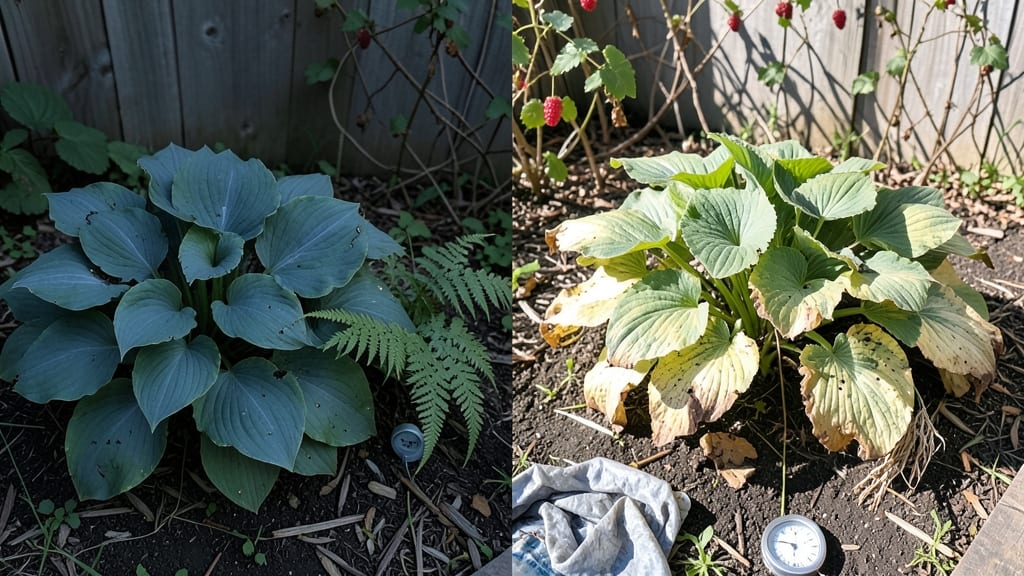
How much sunlight does a garden need? It varies by plant type: full sun (6+ hours/day) for vegetables, herbs, and flowers; partial shade (3-6 hours/day) for leafy greens and ferns; and low light (under 3 hours/day) for shade-tolerant plants like hostas. Seasonal sun shifts also impact growth cycles.
Sunlight acts like a plant's fuel source—too little stunts growth, while too much can scorch leaves. 🌞 The key is matching your garden layout to each plant's natural habitat.
For example, tomatoes and peppers thrive in full sun, while impatiens and ferns will bolt or yellow if exposed to harsh afternoon rays. Even evergreens like boxwoods need some afternoon shade in hot climates to prevent dehydration.
I always recommend testing your garden's light conditions for a week first—use a simple app to track sunlight hours before planting.
Seasonal changes complicate things further. A north-facing bed might get only 3 hours of winter sun but 8 hours in summer, forcing you to adjust plant placement twice a year.
Microclimates matter too: urban gardens with concrete heat up faster, while rural areas with open skies get more intense UV exposure. Tools like shade cloths (30-50% coverage) or reflective mulch can help balance light without sacrificing yield.
💡 In This Article
- Sunlight Requirements by Plant Category
- Adjusting Garden Sunlight for Seasons and Climate
Sunlight requirements by plant category
Here's what's actually happening at the cellular level: plants convert sunlight into energy through photosynthesis, but each species has evolved with different light tolerances. Full-sun plants like tomatoes and roses have thick, waxy leaves with protective pigments to handle 6+ hours of direct sun daily.
These plants need intense light to produce energy for fruit development or vibrant blooms. The science shows their chlorophyll absorbs blue and red wavelengths most efficiently, which is why they thrive in bright conditions.
Partial-shade lovers like coleus or hostas have thinner leaves with higher moisture content to prevent overheating. They typically need 3-6 hours of filtered light, often with afternoon shade to avoid leaf scorch.
What most people don't realize is that these plants actually perform photosynthesis more efficiently in dappled sunlight—think of forest understory conditions. Their growth patterns show elongated stems (leggy growth) when starved for light, while crispy brown edges appear when getting too much direct sun.
Shade-tolerant plants like ferns and caladiums have evolved in low-light environments with broad leaves that maximize surface area for minimal light capture. They thrive with under 3 hours of direct sun daily, often growing best under 40-60% shade cloth.
The key factor is their ability to use green and yellow wavelengths that full-sun plants ignore. When these plants get too much light, their leaves develop yellow patches (chlorosis) because excess light damages their delicate chlorophyll structure.
Identifying over-exposure signs requires close observation: leaf burn appears as crispy, brown edges on full-sun plants, while bleached spots on variegated leaves indicate too much UV. Leggy growth with sparse foliage shows light deprivation.
For example, a tomato plant in partial shade will produce fewer fruits and develop weak stems, while a hosta in full sun will wilt by midday. The solution often involves simple adjustments like moving plants 6-12 inches closer or farther from light sources.
Consider these key factors when choosing plant placements:
- Leaf texture: Thick leaves (succulents) handle full sun; thin leaves (impatiens) need shade
- Growth habit: Vines (morning glories) tolerate partial shade; roses need full sun
- Climate zone: Southern gardens need afternoon shade; northern gardens get more even light
What most gardeners miss is how seasonal light angles change exposure. A plant getting 6 hours of summer sun might only receive 3 hours in winter due to lower sun arcs. This is why many shade plants can handle full summer sun but need winter protection.
The trick is observing your garden's light patterns for at least 2 weeks before making final planting decisions. 💫