
Light Requirements
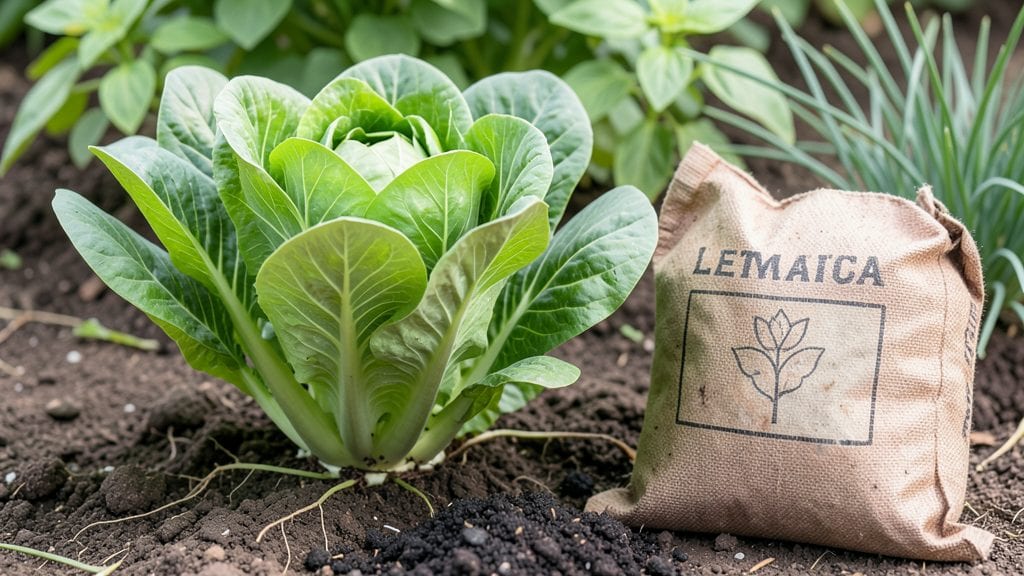
To determine how much manure for garden use, apply 1-2 inches per 100 square feet for fresh manure in heavy soils, or just 1/2 to 1 inch for composted manure. Overdoing it can damage plants, so always check soil fertility first and adjust based on what you're growing—vegetables and flowers need less than heavy feeders like corn or tomatoes.
Manure works because it releases nutrients gradually, but the timing matters.
Fresh manure breaks down quickly, releasing high amounts of nitrogen that can overwhelm plants, while composted manure provides steady, balanced nutrition. 🌱 I’ve found that mixing manure into the top 6 inches of soil during spring planting gives most plants the perfect head start without risking burn.
For acid-loving plants like blueberries, I blend in composted manure and adjust the pH with sulfur afterward.
Your soil type plays a huge role too—sandy soils drain fast, so you can use slightly more manure, while clay holds moisture and nutrients longer, requiring less.
A simple DIY test is to dig a small hole, add a handful of manure, and mix it in—if the soil smells strongly of ammonia, you’ve overdone it. For heavy feeders like corn, I’ll often split the application, giving half in spring and the rest after harvest.
💡 In This Article
- Manure Application Science: Soil and Plant Needs
- Step-by-Step Manure Mixing Guide by Plant Type
Manure application science: soil and plant needs
Here's what's actually happening when you apply manure: fresh manure releases nitrogen at a rapid rate—up to 50% in the first month—because it contains high levels of ammonia (NH₃) that volatilize quickly. This is why you smell that sharp ammonia odor right after application.
Composted manure, on the other hand, has undergone microbial breakdown, stabilizing the nitrogen release to about 10-20% per month over 3-6 months, making it far gentler on plants.
The key difference lies in microbial activity: fresh manure's bacteria and fungi are still actively breaking down organic matter, while composted manure has already completed most of its decomposition. 🔥
Soil type dramatically alters how manure works in your garden. Sandy soils have large particles with minimal nutrient-holding capacity, so they require 1.5-2 inches of fresh manure per 100 sq ft—the nutrients drain away too quickly otherwise.
Clay soils, with their tiny particles and high water retention, can handle just 1/2 inch of composted manure per 100 sq ft because they already trap nutrients effectively. Loamy soils (the Goldilocks of garden soils) fall in the middle, needing 1 inch of composted manure.
The texture of your soil determines how fast manure breaks down—sandy soils see faster decomposition, while clay soils slow the process, extending nutrient availability.
Plant needs create another layer of complexity. Nitrogen-loving plants like corn, tomatoes, and squash thrive with 2 inches of fresh manure per 100 sq ft because they're heavy feeders that deplete soil quickly.
But delicate plants like lettuce, strawberries, or flowers need only 1/2 inch of composted manure—too much nitrogen causes leafy growth at the expense of flowers or fruit. The pH of your soil matters too: manure is slightly alkaline (pH 7.5-8.5), which can raise soil pH over time.
For acid-loving plants like blueberries or azaleas, you'll need to blend manure with sulfur or peat moss to maintain their ideal pH 4.5-5.5 range. 💫
Microbial activity is the engine behind manure's benefits. When you add fresh manure, it introduces billions of bacteria and fungi that break down organic matter into plant-available nutrients. However, this process generates heat—sometimes reaching 140-160°F in a compost pile—which can kill beneficial soil microbes if not managed properly.
Composted manure has already gone through this microbial feast, so it's cooler and safer to apply near plants. The best approach?
Mix composted manure into the top 6 inches of soil during planting, while fresh manure should be worked in at least 4-6 weeks before planting to let the ammonia dissipate.
What most people don't realize is how manure affects soil structure over time. Organic matter from manure improves soil porosity, helping roots penetrate more easily. In heavy clay soils, adding 1 inch of composted manure per year can transform compacted dirt into friable, crumbly soil within 2-3 years.
For sandy soils, the opposite happens—manure helps bind particles together, reducing erosion and water runoff. The microbial activity also boosts soil's cation exchange capacity (CEC), which is like giving your soil a better "memory" for holding onto nutrients between feedings. ✨
For a quick DIY test of your soil's readiness, dig a small hole, add a handful of fresh manure, and mix it in. If you detect a strong ammonia smell (like cleaning products), you've overdone it—this means excess nitrogen that could burn plant roots.
For composted manure, a mild earthy aroma (similar to fresh soil after rain) indicates proper decomposition. Adjust your application based on this simple sniff test, and always err on the side of caution with delicate plants or new garden beds. 🌱