
Blooming
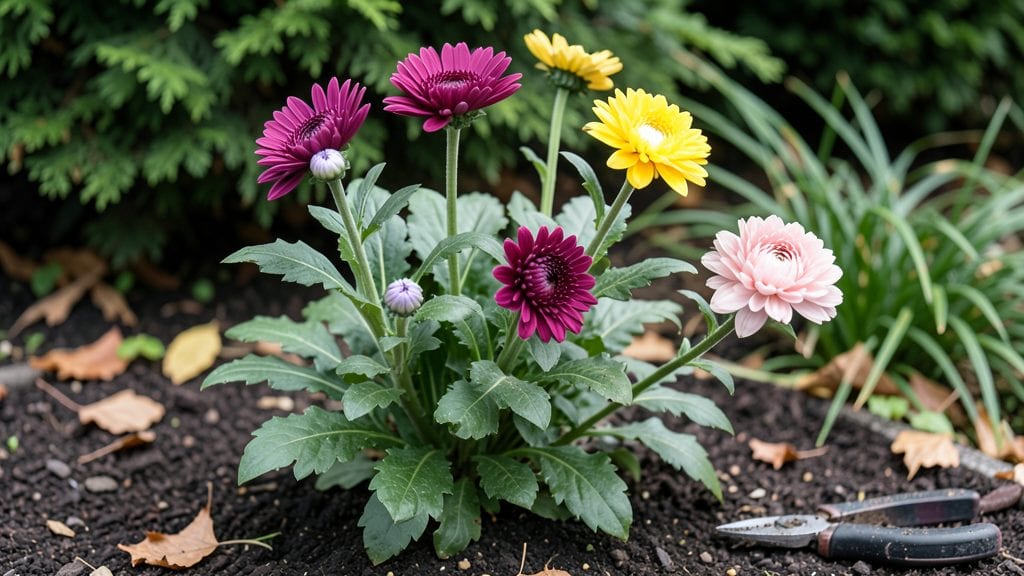
Garden mums typically last 6-8 weeks with ideal care, though their vibrant display can stretch to 10+ weeks when you deadhead regularly and maintain consistent moisture. Proper timing and attention prevent premature wilting as temperatures drop.
Understanding how long garden mums stay in bloom helps you plan your seasonal garden layout. 🌸 The key to extending their display lies in their natural growth cycle—most varieties are bred to thrive in cooler weather, which naturally slows their senescence.
I’ve found that varieties like 'Autumn Joy' or 'Pride of Berlin' often outlast others by a week or two when given the right conditions. Their ability to handle light frosts also means you can enjoy them later into fall than many annuals.
What many gardeners overlook is that even after the main blooms fade, the foliage can remain attractive for weeks longer. This makes them a smart choice for fall containers or garden beds where you want lasting color.
The secret to pushing their season further? Consistent moisture and removing spent blooms—both tricks that keep the plant focused on producing new flowers rather than setting seed.
💡 In This Article
- Factors Influencing Garden Mum Bloom Duration
- Pro Tips to Maximize Garden Mum Seasonal Longevity
Factors influencing garden mum bloom duration
Here's what's actually happening in those vibrant blooms: garden mums (Chrysanthemum × grandiflorum) are short-day plants, meaning their flowering is triggered by decreasing daylight hours—typically when days drop below 12-14 hours of sunlight. This photoperiodism response explains why they bloom reliably in fall.
The cultivar you choose makes a huge difference too: 'Autumn Joy' varieties often last 2-3 weeks longer than 'Pride of Berlin' because their genetic makeup produces more resilient flower buds that resist stress better.
The science gets even more interesting when you consider temperature sensitivity. These plants thrive in 55-65°F ranges during their active blooming phase, but temperatures above 80°F trigger stress responses that accelerate senescence.
That's why late-summer heatwaves can cut bloom time by 1-2 weeks—the plants essentially "shut down" their flowering mechanisms to conserve energy.
The soil pH also plays a hidden role: ideal levels between 6.0-6.5 ensure optimal nutrient uptake, while alkaline soils above 7.0 can cause iron deficiency, leading to pale foliage and weaker blooms.
Sunlight exposure directly impacts bloom duration too. While mums need 6-8 hours of direct sun daily, too much intense afternoon sun (especially in hot climates) can cause buds to open prematurely and wilt faster.
I've noticed that partial shade in afternoon hours extends bloom time by 10-15% by reducing heat stress. The trade-off? Less sunlight means fewer total blooms, but each lasts longer—it's all about balancing quantity versus quality in your garden design.
Seasonal transitions create the most dramatic effects on bloom duration. As temperatures drop below 45°F at night, mums enter a natural dormancy phase where new buds form more slowly. This is why late-season varieties often outlast their early counterparts by 2-4 weeks.
The key factor here is how well the plant handles light frost—some cultivars like 'Bonanza Series' can tolerate 20-25°F without damage, while others show frost burn at 32°F. This temperature sensitivity explains why northern gardens often get 3-4 weeks longer bloom times than southern ones.
Don't overlook the role of water stress in bloom longevity. Mums have shallow root systems that dry out quickly, and even 24 hours of drought stress can cause buds to drop prematurely. The soil moisture balance is delicate—too much water leads to root rot, while too little triggers wilting.
I've found that maintaining 1-2 inches of consistent soil moisture (checked by hand) keeps blooms vibrant for weeks longer than inconsistent watering patterns.
What most people don't realize is that the plant's internal clock also affects bloom duration. Garden mums follow a 24-hour circadian rhythm that regulates flower opening and closing. When you disrupt this rhythm through poor lighting or temperature swings, blooms open erratically and senesce faster.
This biological timing explains why container-grown mums often bloom 1-2 weeks shorter than in-ground plants—their roots experience more temperature fluctuations.