Landscaping
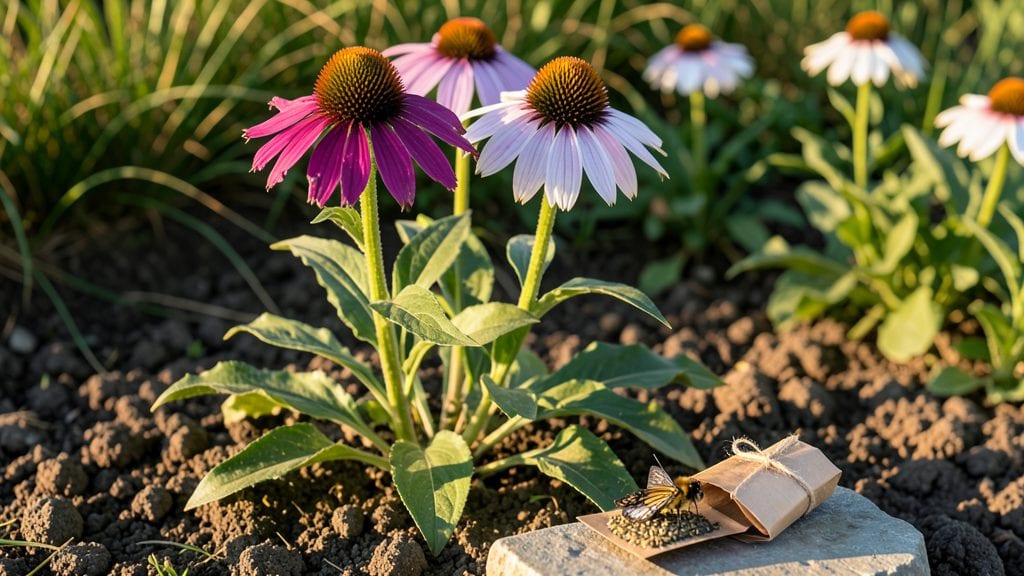
A biodiversity garden design isn’t just about pretty plants—it’s about creating a thriving ecosystem where every layer works together, from towering trees to creeping ground covers.
I’ve transformed my backyard into a year-round haven for bees, butterflies, and birds by stacking native perennials, shrubs, and seasonal bloomers in a way that feeds wildlife at every stage of growth.
The key starts with three simple layers: tall plants for shelter, mid-height bloomers for pollinators, and low-growing ground covers to retain moisture.
My go-to combo includes black-eyed Susans for summer color, serviceberry bushes for spring fruit, and wild bergamot to attract hummingbirds—all chosen because they’re native to my zone and require minimal fuss. You’ll see the difference within the first season: fewer pests, more pollinators, and plants that outlast fads.
By summer, your garden will buzz with activity—bees sipping from coneflowers, butterflies fluttering through milkweed, and birds nesting in the dense foliage of sumac. The real magic happens in winter too: evergreens like arborvitae provide shelter, while dried seed heads feed finches.
It’s not just a garden; it’s a self-sustaining community that keeps giving back.
Whether you’ve got a postage-stamp patio or half an acre, this approach scales—just adjust the plant sizes. The biggest mistake? Skipping the native species. Stick with me, and I’ll show you how to build yours without breaking the bank or the ecosystem.
📚 In This Guide
- What you need
- Instructions
- Tips and common mistakes
- Wrapping up and next steps
What you need
- ● Native plants: 15–25 species (mix of trees, shrubs, perennials, annuals, and ground covers). Aim for at least 3–5 layers of vegetation (canopy, understory, shrubs, herbaceous plants, and ground cover). Example: Oak trees, wildflowers, ferns, and clover.
- ● Soil amendments: Compost (2–3 cubic yards), mulch (4–6 bags), and organic fertilizer (like worm castings or bone meal).
- ● Water retention: Rainwater collection barrels (1–2) or a drip irrigation system (50–100 ft of tubing).
- ● Wildlife support: Birdhouses (2–3), bee hotels, bat boxes, and a small water feature (like a shallow dish or small pond).
- ● Structural elements: Logs, rocks, or branches for habitat nooks (e.g., 5–10 logs for tunnels or perches).
- ● Garden trowel, pruners, and loppers (for planting and maintenance).
- ● Wheelbarrow (for transporting soil and mulch).
- ● Garden hose with adjustable nozzle or a watering wand.
- ● Measuring tape, gloves, and knee pads (for comfort and precision).
- ○ Optional: Soil pH tester, seedling trays, and a solar-powered garden light (for nighttime pollinators).
- ● Site assessment: Test sunlight exposure (full sun to partial shade) and soil quality (pH, drainage).
- ● Local regulations: Check for native plant restrictions or permits for water features.
- ● Seasonal timing: Plan planting based on your climate (spring for perennials, fall for bulbs).
- ● Budget: Allocate $200–$1,000+ depending on size and materials (DIY vs. pre-planted ecosystems).
Instructions for crafting a functional biodiversity garden
Here's how to design a layered ecosystem that supports wildlife year-round while keeping maintenance simple.
Map Your Sunlight and Microclimates
Begin by observing your garden's natural conditions for at least a week. Note where sunlight hits hardest—these spots become your full-sun zones (typically 6+ hours daily)—ideal for native grasses, wildflowers, and pollinator plants like milkweed or coneflowers. Shadier corners (4-6 hours of light) will host ferns, hostas, and woodland wildflowers, while deep shade (<4 hours) suits mosses, hellebores, and lungwort.
I sketch a rough layout, marking these zones with colored chalk or flags. This ensures each plant gets the right light conditions, preventing stress or failure. For example, placing drought-tolerant sedums in sun and moisture-loving asters in shade creates a balanced ecosystem from the start.
Plan Vertical and Horizontal Layers
Biodiversity thrives in three-dimensional space, so I design for canopy, understory, and ground cover. Start with tall perennials (5-7 feet) like Joe Pye weed or black-eyed Susans for the canopy layer. These provide shelter and food for birds and insects. Next, add mid-height plants (2-4 feet) such as bee balm or goldenrod for pollinators and smaller wildlife.
Finally, fill the ground layer with low-growing plants like creeping thyme, clover, or wild strawberries. These prevent soil erosion, suppress weeds, and create habitats for ground-dwelling creatures. I space plants based on their mature sizes—crowding leads to competition, while too much space wastes potential biodiversity.
Incorporate Water Features and Wildlife Corridors
A small pond, birdbath, or even a shallow dish with rocks creates a water source that attracts amphibians, insects, and birds. I place mine near dense shrubs so wildlife feels secure. For example, a 3-foot-wide shallow basin filled with 6 inches of water and surrounded by hostas or iris becomes a magnet for frogs and dragonflies.
Next, design wildlife corridors—paths of native plants connecting different areas of your garden. Use vines like Virginia creeper or climbing roses to link layers vertically. These corridors allow pollinators and small mammals to move safely, increasing biodiversity exponentially. I avoid straight lines; instead, I create winding paths that mimic natural ecosystems.
Add Native Plants and Seasonal Interest
Native plants are the backbone of biodiversity gardens because they evolved with local wildlife. I select a mix of spring ephemerals (like bloodroot or trout lily), summer bloomers (coneflowers, black-eyed Susans), and fall/winter interest (sedum, ornamental grasses). This ensures food and shelter are available year-round.
For example, I plant 3-5 species of milkweed to support monarch butterflies, along with native grasses like little bluestem for nesting birds. Layer in evergreen shrubs (like winterberry or inkberry) to provide winter cover. The key is diversity—aim for at least 10 different plant species in a 10x10-foot area to create a thriving micro-ecosystem.
Test and Refine Over Time
After planting, monitor which plants thrive and which struggle. I note which species attract the most wildlife—perhaps hummingbirds flock to your trumpet vine or bees swarm the lavender. If a plant fails, replace it with a better-suited native species. Over time, your garden will self-correct, with stronger plants outcompeting weaker ones naturally.
I also adjust based on seasonal changes. For instance, if a drought-prone area appears, I add more succulents or deep-rooted perennials to improve resilience. The goal is a self-sustaining ecosystem, so I avoid over-managing—intervene only when necessary. Within 2-3 years, your garden will function like a miniature wild meadow, teeming with life.
Tips & tricks for perfect biodiversity garden design
Creating a thriving biodiversity garden takes thoughtful planning—here are my most effective strategies to ensure your layered ecosystem flourishes from the very beginning.
Light Mapping Precision: When observing sunlight patterns in Step 1, use a simple app like Sun Surveyor to track light exposure throughout the day. I've found that even subtle variations in sunlight can determine whether a plant thrives or struggles. For example, what you think is a full-sun spot might actually receive only 5 hours of direct light—critical information for selecting the right plants for those zones. Mark your zones with numbered flags rather than just colored chalk, as this makes future adjustments easier when you're ready to add new plantings.
Layered Planting Strategy: In Step 2, I recommend starting with your tallest plants first, then working downward to your ground cover. This prevents damage to smaller plants during installation and creates immediate vertical structure that attracts wildlife. For the canopy layer, space your 5-7 foot plants about 3-4 feet apart to allow for future growth while maintaining that essential three-dimensional structure. The key is to visualize the mature plant sizes—not how they look now in their nursery pots.
Water Feature Placement: For Step 3's water sources, position your 3-foot-wide basin slightly off-center from the garden's focal point. This creates a more natural look and prevents the water feature from becoming the dominant element. I also recommend adding a few flat rocks around the edges—these provide basking spots for amphibians and insects. The 6 inches of water depth is perfect for frogs and dragonflies, but if you notice mosquitoes becoming an issue, consider adding a few goldfish or installing a small fountain to disrupt their breeding cycle.
Seasonal Plant Rotation: When selecting your native plants in Step 4, I suggest creating a simple seasonal calendar. Note which plants bloom in spring, summer, and fall, and ensure you have evergreens for winter interest. For example, I pair early spring bloomers like bloodroot with late summer flowers like coneflowers to maintain continuous food sources for pollinators. This layered approach ensures your garden remains vibrant and functional throughout all seasons, rather than having periods of dormancy.
Pro Tips for Biodiversity Garden Design
- Creating a thriving biodiversity garden takes thoughtful planning—here are my most effective strategies to ensure your layered ecosystem flourishes from the very beginning.
- Light Mapping Precision: When observing sunlight patterns in Step 1, use a simple app like Sun Surveyor to track light exposure throughout the day.
- Layered Planting Strategy: In Step 2, I recommend starting with your tallest plants first, then working downward to your ground cover.
Frequently asked questions
Got questions about creating a thriving biodiversity garden?
You’re not alone! Here are answers to the most common queries to help you design a space that supports wildlife while keeping your garden beautiful and functional.
What’s the best time of year to start a biodiversity garden?
The best time depends on your climate, but spring or early fall are ideal. Spring lets you establish plants before summer heat, while fall gives roots time to settle before winter. In warmer climates, year-round planting is possible—just choose drought-tolerant natives! Start small with perennials for low-maintenance success.
Can I create a biodiversity garden on a budget?
Focus on native plants (they’re cost-effective and low-maintenance) and repurpose materials like logs for habitat or rain barrels for water. Skip expensive ornamentals—prioritize wildflowers, shrubs, and mulch. Even a 10x10-foot patch can support pollinators if layered with plants, rocks, and water sources.
How do I attract pollinators without pesticides?
Pollinators thrive on diverse, pesticide-free plants. Plant native wildflowers (like milkweed for monarchs), provide shallow water sources (a saucer with pebbles works!), and add host plants for caterpillars. Avoid neonicotinoids—opt for organic pest control like companion planting (e.g., marigolds deter pests naturally).
What if my soil is poor or clay-heavy?
Don’t stress! Amend clay soil with compost or leaf mold to improve drainage, and plant deep-rooted natives (like coneflowers or black-eyed Susans) that tolerate tough conditions. For sandy soil, add organic matter to retain moisture. Test your soil first—local extension offices can help tailor solutions.
How do I maintain a biodiversity garden with minimal effort?
Design for low maintenance: Choose perennials and self-seeding annuals, mulch heavily to suppress weeds, and group plants by water needs. Leave some “wild” areas—piles of leaves or bare soil attract beneficial insects. Prune once a year (early spring for most plants) and let seed heads stand for winter birds.
Still stumped? Start with a single layer (e.g., a pollinator-friendly flower bed) and expand over time. Every little bit helps biodiversity—and your garden!
Wrapping up and next steps
Creating a biodiversity garden isn’t just about beauty—it’s about crafting a thriving ecosystem that supports life year-round.
By layering plants, incorporating native species, and designing for function, you can transform even a small space into a haven for pollinators, birds, and beneficial insects. Your garden can become a vibrant, self-sustaining oasis—one that gives back as much as it receives!
Ready to take the next step? Start small—sketch a simple design, gather a few native plants, and observe how your ecosystem evolves. Every seed planted is a ripple in the pond of biodiversity. Let’s grow green together! 🌱