
Tools
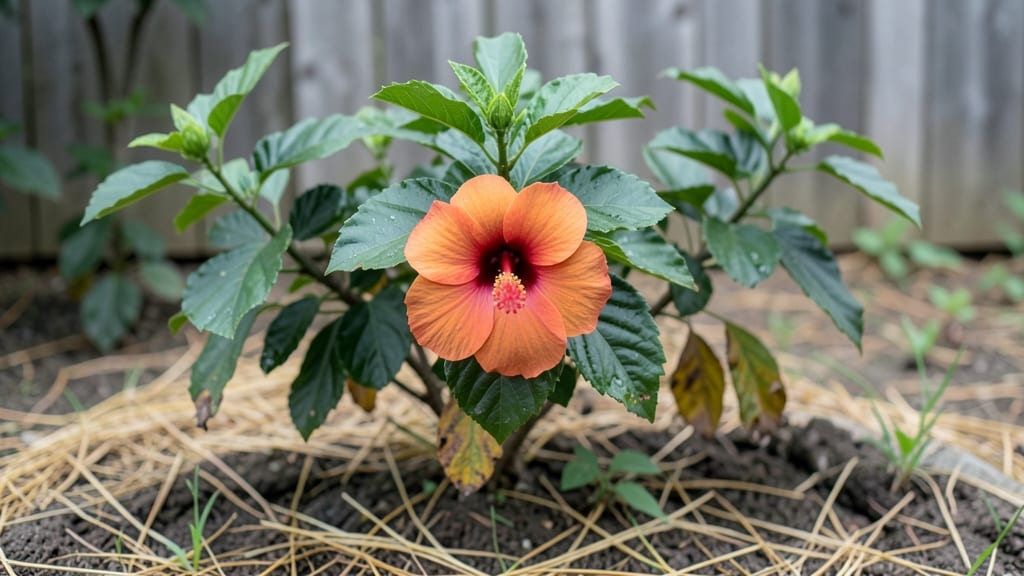
Hibiscus in garden spaces turns ordinary yards into vibrant tropical escapes with their bold, dinner-plate-sized blooms. 🌺 I’ve watched my own hibiscus transform a dull corner into a sun-drenched oasis—just by tucking one plant where it gets at least six hours of sunlight daily.
The secret isn’t complicated: these plants thrive on neglect but reward you with flowers that last from spring through frost in warmer climates.
They’re the ultimate low-maintenance divas, happy in everything from containers to mixed borders. Pair them with purple salvias or golden coleus for a striking contrast, or let them stand alone as a dramatic focal point near patios.
In colder zones, treat them as annuals or overwinter potted plants indoors—no fuss, just stunning results. The key is protecting their roots from winter’s chill while letting them bask in summer heat.
What you’ll love most is how hibiscus turns heads without trying. Their glossy leaves and velvety petals add texture and drama, while their bright blooms—red, pink, yellow, or white—create a showstopping centerpiece.
Place them near seating areas to enjoy the spectacle up close, or line a walkway for a burst of color that lasts all season. Even in small spaces, a single hibiscus in a large pot becomes an instant conversation starter.
Here’s the best part: they’re forgiving. Forget to water? They bounce back. Overlook pruning? They still bloom. With just a little strategic placement and basic care, your garden will feel like a resort—without the price tag. Let’s get yours planted so you can enjoy the magic too.
📚 In This Guide
- What you need
- Instructions
- Tips and common mistakes
- Wrapping up and next steps
What you need
- ● Hibiscus plants: 1–3 Hibiscus rosa-sinensis (tropical hibiscus) or Hibiscus syriacus (hardy hibiscus) plants, depending on garden size.
- ○ Optional: Seeds (if starting from scratch) or rooted cuttings for propagation.
- ● Well-draining soil: 5–10 bags (20–30 lbs each) of garden loam mixed with compost (3–5 bags) or peat moss (for tropical varieties).
- ● Fertilizer: Slow-release balanced fertilizer (10-10-10 or 20-20-20, 5–10 lbs).
- ○ Optional: Organic options like fish emulsion or bone meal for nutrient boosts.
- ● Garden tools: Trowel or hand shovel (for planting).
- ● Garden gloves (1 pair) to protect your hands.
- ● Pruning shears (for shaping and maintenance).
- ● Watering supplies: Watering can (5-gallon capacity) or hose with a gentle spray nozzle.
- ○ Optional: Drip irrigation kit for automated care.
- ● Mulch: 2–3 bags (2–3 cubic feet each) of organic mulch (e.g., pine straw or shredded bark).
- ● Support (if needed): 1–2 stakes or trellises (for climbing varieties like Hibiscus moscheutos).
- ○ Optional: Wire cages for tall shrubs.
- ● A sunny spot with 6+ hours of direct sunlight daily (tropical hibiscus) or partial shade (hardy hibiscus in hot climates).
- ● Protection from strong winds (use a windbreak or plant near a fence/wall).
- ● For tropical hibiscus: Frost-free zone (USDA Zones 9–11) or container gardening for colder climates.
- ● Drainage: Ensure no standing water—hibiscus hates soggy roots!
Instructions for planting and caring for hibiscus in your garden
Here's my go-to approach for getting hibiscus established and thriving with vibrant blooms all season.
🌱 Step 1: Choose the Perfect Planting Location
Hibiscus craves full sun—at least 6-8 hours daily—so scout your yard for the sunniest spot possible. I always check for afternoon shade first; hibiscus wilts quickly when hot afternoon rays hit after a morning of sun. Look for areas with well-draining soil—they hate soggy roots.
If your soil is heavy clay, amend it with 2-3 inches of compost mixed into the top 12 inches of soil. You'll know it's right when water drains through in 1-2 hours rather than pooling. Avoid low spots where water collects after rain.
🪴 Step 2: Plant at the Right Depth and Spacing
Dig a hole twice as wide as the root ball but no deeper—hibiscus roots are shallow and need room to spread horizontally. Gently loosen the roots if they're circling the pot, then place the plant so the top of the root ball sits 1 inch below soil level.
Space plants 5-6 feet apart for dwarf varieties or 8-10 feet for standard hibiscus. I always add a 5-10-10 fertilizer (about 1 tablespoon per hole) to give them a nutrient boost at planting. Backfill with native soil, firm gently, and water deeply to settle everything.
💧 Step 3: Water Deeply and Establish a Routine
Water immediately after planting to remove air pockets, then again in 3-4 days to encourage root growth. Hibiscus need 1-1.5 inches of water weekly, but check soil first—stick your finger 2 inches deep. If it feels dry, water; if damp, wait.
I water at the base in the morning to prevent fungal issues from evening moisture. Mulch with 2-3 inches of organic mulch (like shredded bark) to retain moisture and keep roots cool. Watch for yellowing leaves—this signals overwatering or poor drainage.
☀️ Step 4: Feed and Prune for Continuous Blooms
Feed with a balanced liquid fertilizer (10-10-10) every 4-6 weeks during growing season. I mix it at half-strength to avoid burning tender roots. Deadhead spent blooms by cutting back to the nearest leaf or bud—this redirects energy to new flowers.
Prune in late winter or early spring to shape the plant and encourage bushiness. Cut back one-third of the oldest stems to the ground, and trim any crossing branches. You'll see fresh, vigorous growth within 3-4 weeks of pruning.
✂️ Step 5: Protect and Overwinter (If Needed)
In colder climates, protect hibiscus by wrapping the base with burlap or frost cloth once temperatures drop below 30°F. I mound 6-8 inches of mulch around the base for extra insulation. Most tropical hibiscus won't survive frost, so dig up container plants and store them indoors.
In mild winters, hibiscus can stay outside with minimal protection. Just remove dead blooms and leaves to keep the plant clean. You'll see new growth in early spring—proof your plant made it through!
Tips & tricks for perfect hibiscus planting and care
Between us, these little tricks will help your hibiscus thrive with vibrant blooms all season long—no green thumb required.
The Sunlight Secret: While 6-8 hours of sun is ideal, hibiscus actually prefer morning sun with afternoon shade in extremely hot climates. I've seen plants wilt dramatically when exposed to full afternoon sun in 90°F+ weather. If your yard gets intense afternoon rays, consider planting near a west-facing wall or under light dappled shade from taller trees.
Soil Test Trick: Before amending your soil, do this quick test: Dig a hole about 6 inches deep and fill it with water. If it drains completely within 1-2 hours, your soil is perfect. If water pools at the bottom after 2 hours, you definitely need that compost amendment. I always add a handful of perlite to heavy clay soil to improve drainage even more.
Watering Wisdom: Those 1-1.5 inches of weekly water might seem like a lot, but hibiscus roots spread wide and deep. I use a rain gauge or tuna can to measure water accurately—it's shocking how much less we actually pour than we think. Watering at the base (not the leaves) prevents fungal issues, and morning watering gives foliage time to dry before evening humidity sets in.
Fertilizer Timing: The 4-6 week feeding schedule works, but here's the pro move: switch to a higher-phosphorus fertilizer (like 10-20-10) just before blooming season to encourage more flowers. I also mix in a handful of bone meal at planting time—it gives them a phosphorus boost right when they need it most for root development.
Pro Tips for Hibiscus In Garden
- Between us, these little tricks will help your hibiscus thrive with vibrant blooms all season long—no green thumb required.
- The Sunlight Secret: While 6-8 hours of sun is ideal, hibiscus actually prefer morning sun with afternoon shade in extremely hot climates.
- Soil Test Trick: Before amending your soil, do this quick test: Dig a hole about 6 inches deep and fill it with water.
Frequently asked questions
Got questions about growing hibiscus in your garden?
You’re not alone! Here are some of the most common queries—and their simple, practical answers—to help you nurture stunning, low-maintenance blooms all year round.
What’s the best time of year to plant hibiscus in my garden?
For tropical hibiscus (like Hibiscus rosa-sinensis), plant in spring or early summer after the last frost, when soil is warm (60°F+). Hardy hibiscus (e.g., Hibiscus moscheutos) can handle cooler climates—plant them in spring or early fall to give roots time to establish before winter. Avoid planting in extreme heat or cold!
How often should I water hibiscus plants?
Hibiscus loves consistent moisture but hates soggy roots. Water 2–3 times per week in hot weather (or daily if potted), ensuring the top 2–3 inches of soil stay damp. Mulch around the base to retain moisture and reduce evaporation. Pro tip: Yellowing leaves? You’re likely overwatering—let the soil dry slightly between waterings!
Can hibiscus grow in full sun or partial shade?
Most hibiscus thrive in full sun (6+ hours daily), but tropical varieties may need afternoon shade in scorching climates (like the Deep South) to prevent leaf scorch. Hardy hibiscus tolerates partial shade (4–6 hours of sun), making them great for northern gardens. Watch for: Fewer blooms in low light or pale, leggy growth.
What pests or diseases should I watch for with hibiscus?
Common culprits include:
- Aphids: Tiny green/black bugs on new growth. Solution: Spray with water or use insecticidal soap.
- Whiteflies: Tiny white moths under leaves. Solution: Yellow sticky traps or neem oil.
- Fungal diseases (e.g., leaf spot): Caused by poor airflow or overwatering. Solution: Prune for airflow, avoid wetting foliage, and use fungicide if needed.
Prevention tip: Keep plants healthy with balanced fertilizer and proper spacing to deter pests!
Are there low-maintenance hibiscus alternatives for busy gardeners?
Yes! If hibiscus seems high-maintenance, try these easy-care bloomers:
- Butterfly Bush (Buddleja): Drought-tolerant, attracts pollinators, and blooms nonstop.
- Lantana: Thrives in heat, drought-resistant, and produces colorful clusters.
- Salvia (Salvia coccinea): Loves sun, blooms spring to fall, and repels pests.
For hibiscus-like drama with less fuss, hardy hibiscus (like Hibiscus syriacus) is a great middle ground—perennial, pest-resistant, and cold-hardy!
Wrapping up and next steps
Adding hibiscus plants to your garden is a game-changer—whether you crave vibrant blooms, low-maintenance beauty, or even edible flowers! 🌸 These tropical stars thrive with just a little sunlight, water, and space, making them perfect for any gardener’s skill level.
Now that you’re armed with the right tips and tricks, why not plant one today?
Start small—pick a sunny spot, grab a healthy cutting, and watch your garden transform into a year-round paradise. Happy gardening! 🌱